REVIEW · ROME
Rome in 2 days tour including Colosseum, Trevi Fountain and Sistine Chapel
Book on Viator →Operated by Raphael Tours & Events · Bookable on Viator
Two days, and Rome feels endless. This Rome in 2 days tour strings together the Colosseum and the Vatican with a private guide for two full days, plus real freedom each evening to wander on your own.
I love the way it handles the heavy hitters first, starting with Colosseum arena access and then moving through the Roman Forum’s power centers. I also love the Vatican Museums approach: you get ticketed entry and a calmer, less crushy feel because you’re not trapped in a huge group.
One drawback to plan for: the schedule is busy, and the rules are strict. You must meet the dress code and name/ID requirements, and St. Peter’s Basilica entry isn’t guaranteed because of Jubilee access rules.
In This Review
- Key highlights to know before you go
- How this 2-day plan really works for a short stay
- Day 1: Colosseum arena access and the Roman power map
- What I like about the Colosseum-to-Forum flow
- A practical consideration
- Arch of Constantine to Capitoline Hill: spotting the details that click
- Day 1 historic center walk: Trevi, Piazza Navona, and the Pantheon
- Trevi Fountain: iconic, but worth it with time set aside
- Piazza Navona: where Roman street life still shows up
- The Pantheon: one hour to appreciate why it’s still so impressive
- Day 2: Vatican Museums with a calmer, room-by-room pace
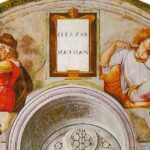
- Sistine Chapel: seeing the art with context, not just a glance
- How to get more out of the Sistine Chapel time
- St. Peter’s Basilica: don’t assume your entry is automatic
- Guides that make this feel personal: Blue Badge and real expertise
- Price and value: what you’re paying for and what to watch
- Practical tips you’ll thank yourself for
- Who this Rome in 2 days tour is best for
- Should you book this Rome in 2 days tour?
- FAQ
- What does the tour include besides the guided visits?
- Are tickets to the Vatican Museums and Sistine Chapel included?
- Is St. Peter’s Basilica included with this tour?
- What dress code do I need for this tour?
- Do I need to provide my full name and ID for entry?
- Can I choose my own accommodation?
Key highlights to know before you go
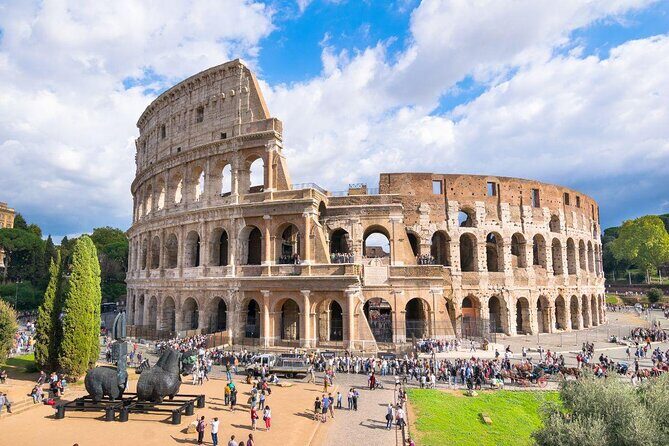
- Colosseum interior time with reserved entry and a guided walk into the arena
- Roman Forum highlights like the Arch of Titus and the Sacred Way route toward Capitoline Hill
- Historic center stops including Trevi Fountain, Piazza Navona, and the Pantheon
- Vatican Museums pacing that lets you stop in smaller rooms instead of rushing in a swarm
- Sistine Chapel focus so you see it with context, not just a glance
- Private guide for your group only, with flexibility at night
How this 2-day plan really works for a short stay
This tour is built for people who want the big sights without spending your days “figuring it out” on your own. You get a private guide service for two days, and the itinerary is arranged so you’re tackling the most logistically painful places during the daytime when entry windows and lines are part of the game.
You’ll also notice the pacing philosophy: yes, it’s packed, but you’re traveling at your own speed with a guide who can explain what you’re seeing while you move. That matters in Rome, where standing still too long can drain your energy and moving too fast can make the whole trip feel like a blur.
Finally, keep your expectations realistic about Rome on foot. The tour includes major walking through ancient ruins and museum halls, and the tour notes a moderate physical fitness level. If you pace yourself and use your guide’s cues, it’s very doable, even if you’re not a marathon walker.
Other Sistine Chapel tours we've reviewed in Rome
Day 1: Colosseum arena access and the Roman power map
Your Day 1 starts at the Colosseum with reserved entry, and the standout is going beyond the outer views. You’re taken into the arena for an exploration of Ancient Rome’s largest amphitheater, which gives you a different scale than you get from street level.
Once you’re done in the arena, you don’t just “wrap up and leave.” Your guide keeps you moving to the surrounding monuments that help turn the Colosseum into a story. You’ll spot the Arch of Constantine, then shift to the Roman Forum, which is described as the empire’s central hub for political, religious, and social life.
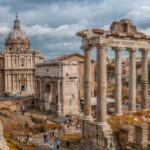
The Roman Forum section includes specific landmarks that are easy to miss without guidance: the 1st-century Arch of Titus, the House of the Vestal Virgins, the Temple of Saturn, the Senate House, and the white marble Arch of Septimius Severus. The route also goes via the Sacred Way, landing you toward Capitoline Hill and the Vittoriano.
What I like about the Colosseum-to-Forum flow
This combo is smart because the Colosseum is theater, but the Forum is the stage manager’s office. When you see the arena and then connect it to the political center nearby, it helps you understand why the Romans built spectacle where they did.
A practical consideration
You’ll be looking at a lot of stone that’s thousands of years old, and details can fade if you rush. This is where having a guide matters, not because you need a lecture, but because you need landmarks placed in the right mental order.
Arch of Constantine to Capitoline Hill: spotting the details that click
The route around the Colosseum area is where the tour earns its keep. After the Colosseum, you follow your guide outside for a look at multiple arches and key Forum structures. If you’ve ever visited Rome and felt like everything was just “big ruins,” this is the opposite.
You’ll also reach Capitoline Hill and the Vittoriano, a modern monument that can feel jarring if it’s just a stop on a map. With context, it becomes part of how Rome continuously reuses its central spaces, even when the architecture changes.
If you like photography, this is a good day for it. The tour gives you moving vantage points: from the Colosseum interior scale, to the arcs and Forum sight lines, to the wider views toward the hill area.
Other Rome-in-a-day tours that include the Sistine Chapel


Day 1 historic center walk: Trevi, Piazza Navona, and the Pantheon
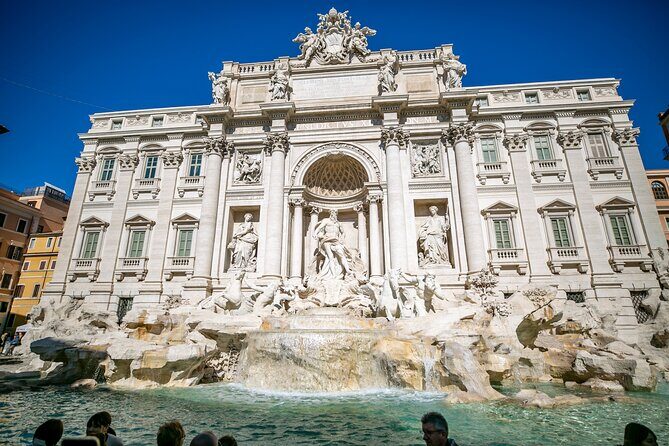
After the ancient core, Day 1 switches gears into the Rome most people imagine instantly. You’ll include Fontana di Trevi, plus stops at Piazza Navona and the Pantheon.
Trevi Fountain: iconic, but worth it with time set aside
Trevi Fountain is crowded almost anytime, but the goal here isn’t to “win the fountain.” It’s to see it with the right pacing so you aren’t sprinting through. The tour lists a 30-minute stop, which is usually enough to get your bearings, take photos, and really look at the sculptural details.
Piazza Navona: where Roman street life still shows up
Piazza Navona is another classic, and the time block is also short. That’s fine if your priority is to experience the space rather than treat it like a museum. Even when you don’t go inside anything, you’ll feel how Roman plazas work: they’re outdoor rooms with constant motion around them.
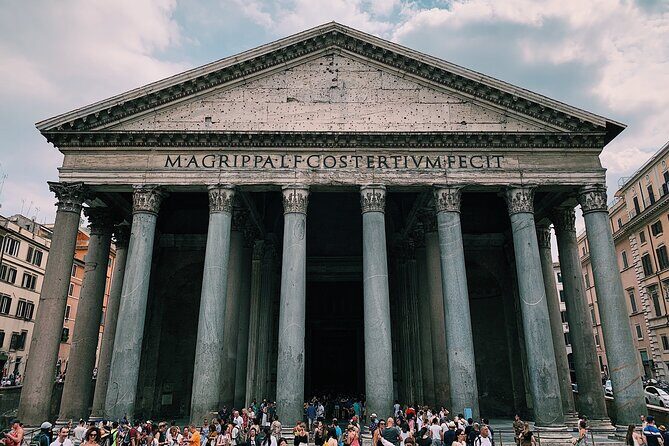
The Pantheon: one hour to appreciate why it’s still so impressive
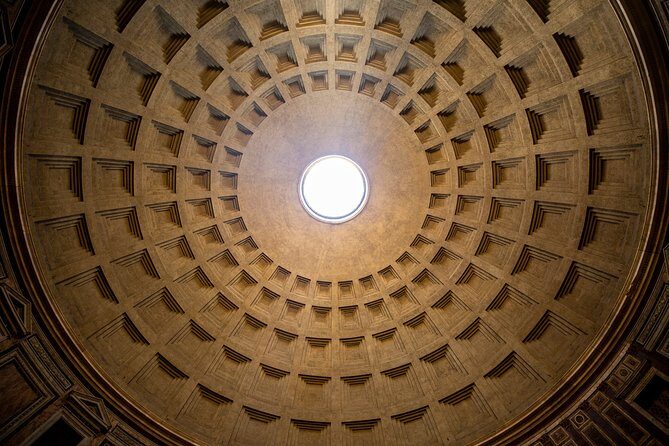
The Pantheon stop is listed as 1 hour, and that time matters. You’ll have enough room to look up at the dome and spend time inside the space without feeling frantic. It’s also a great place to slow down, because it naturally pulls your attention upward and inward.
Day 2: Vatican Museums with a calmer, room-by-room pace
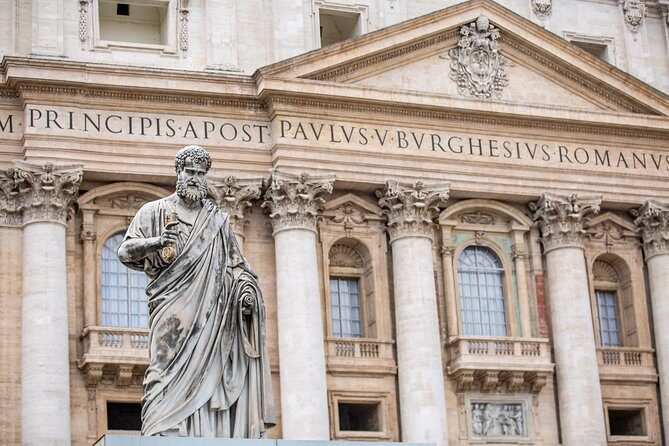
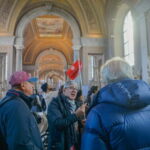
Day 2 takes you to the Vatican Museums with a private guide service. You’ll meet at the entrance, and the big selling point here is pacing: you travel at your own pace and can stop in some smaller rooms, since you’re not boxed into a huge group.
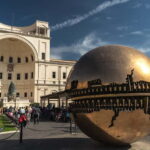
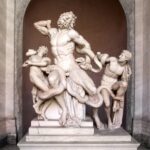
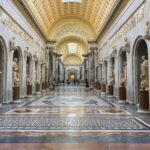
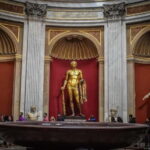
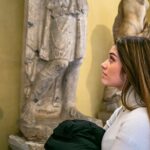
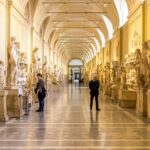
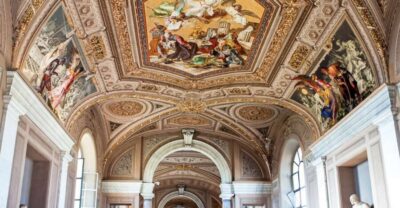
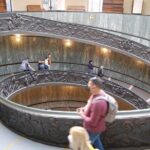
The tour’s museum route highlights key collections without making you feel like you’re speed-running. You start with the Belvedere Courtyard and the Pio-Clementino Museum, including a large collection of Ancient Roman and Greek statues. That’s helpful because it sets the stage for what you’re about to see later: Renaissance and papal-era art didn’t appear in a vacuum.
Then you continue to the Galleries of Tapestries and Geographic Maps. This is where the tour signals it understands big sights plus context. The stop includes the grand display of Renaissance maps, which can read like background clutter unless someone gives you a way to look at them.
Your guide also stops at the Sobiesky Room and points out details around the largest canvas painting in the Vatican. You’ll also see the Immaculate Conception Room frescoes. This is the kind of sequence that helps you connect art choices to the messages those artworks were built to deliver.
Sistine Chapel: seeing the art with context, not just a glance
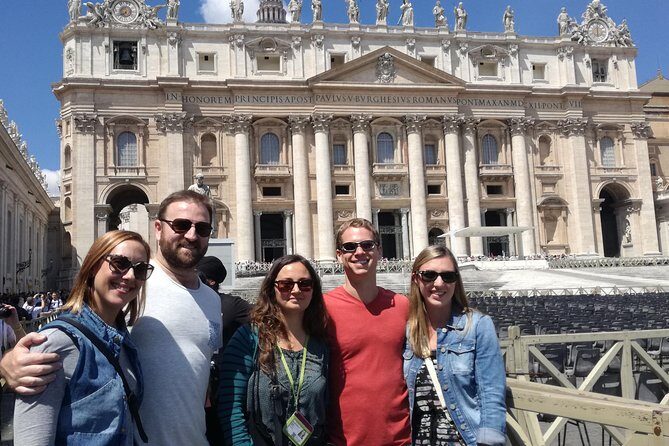
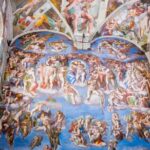
The Sistine Chapel visit is listed as a separate stop with its own 1-hour block. What I appreciate about this setup is that it’s not treated like a quick stamp in your passport.
When you arrive, you’ll have already built context from the museum galleries. That makes it easier to understand why the chapel is such a focal point for visitors: you’re not jumping into the deepest famous room without understanding the artistic language surrounding it.
How to get more out of the Sistine Chapel time
Use the hour to look in sections. Don’t worry if you can’t absorb every panel. Your guide’s focus helps you pick the right details first, which is better than trying to take it all in at once and remembering nothing later.
St. Peter’s Basilica: don’t assume your entry is automatic
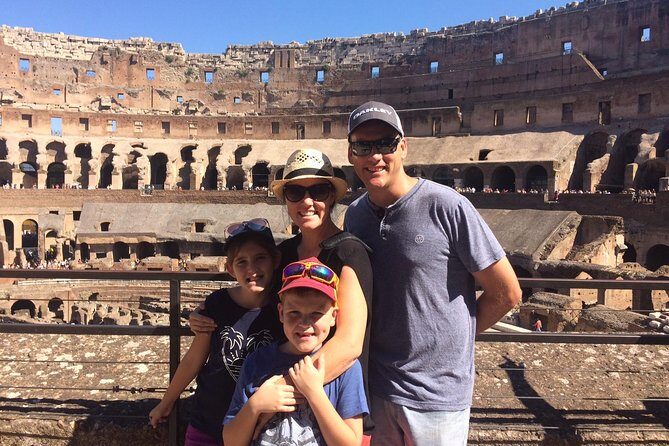
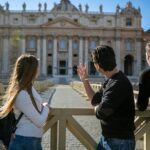
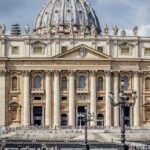
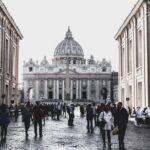
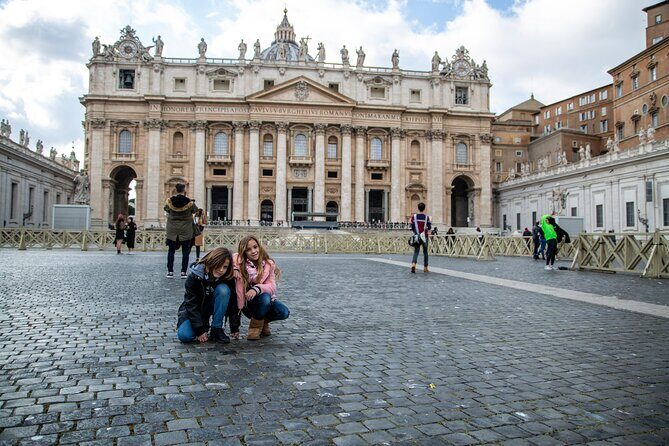
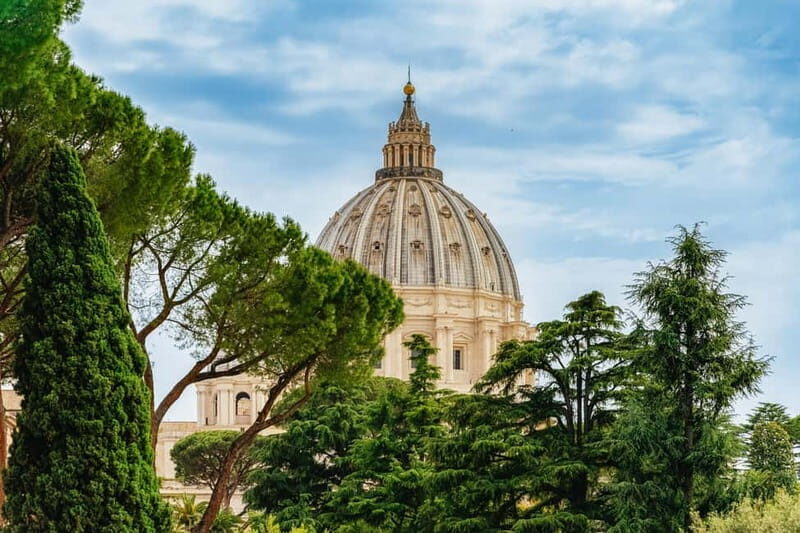
Here’s the key heads-up: the tour notes that St. Peter’s Basilica is not included in this experience because of Jubilee new access rules. You can still visit it by going to Saint Peter’s Square and queueing there.
This matters for planning. If St. Peter’s Basilica interior is a must-do for you, keep some extra time in your day 2 mindset, and don’t treat the tour’s stop listing as a guaranteed entry ticket inside the basilica.
The dress code rule still applies for places of worship and selected museums, so plan your outfit accordingly. Also remember that food and drinks aren’t allowed in the museums except for bottled water, which can affect how long you’ll want to stay in Vatican-area lines.
Guides that make this feel personal: Blue Badge and real expertise
A tour like this lives or dies by the guide. This one leans into that with Blue Badge guidance and even calls out a professional art historian guide.
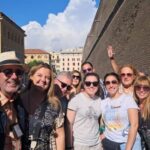
From the guide names you might encounter on this trip, I’m especially drawn to what people describe as standout guidance from Thomaso, Paola, and Claudia. The common thread in those experiences is simple: clear explanations that make the monuments easier to understand, plus the ability to keep the pace comfortable when you want to walk slow and stop for photos.
In the Vatican Museums, that guidance is huge because you can get lost in hall after hall. In the Colosseum and Forum, it’s what turns ruins into a map you can mentally navigate.
Price and value: what you’re paying for and what to watch
At $696.97 per person for a roughly 2-day experience, you’re not buying just tickets. You’re paying for two days of private guide service, ticketed entry for the Colosseum, and museum access for the Vatican Museums and Sistine Chapel portion as listed.
The Colosseum entrance ticket and reservation fee are clearly called out as included (valued at a combined €18 plus €2 reservation fee in the tour details). After that, the remaining cost covers other services, including local guiding and specialist commentary.
Does that price make sense? It does if you value:
- time savings from reserved entry for the Colosseum
- interpretation that helps you understand what you’re seeing
- a pace that doesn’t force you into a long, one-size-fits-all group schedule
If you’re traveling solo with no interest in guided context, you might be able to do it cheaper on your own. But if you want two days to feel like Rome, not like logistics, this is the kind of package that pays you back quickly.
Also note that the tour is commonly booked about 53 days in advance on average, so if you’re traveling in peak season, it’s smart to lock plans early.
Practical tips you’ll thank yourself for
Here are the rules that can make or break your day in Rome with a ticketed program.
First, the dress code. The tour explicitly warns that no shorts or sleeveless tops are allowed, and that knees and shoulders must be covered for both men and women. Don’t gamble on flexibility here. If you fail the dress requirement, you may be refused entry.
Second, the name and ID requirement for ticketing. You must provide full names for all travelers when booking, and the tour notes that failure to present a voucher with all travelers’ full names prior to entry can lead to denied entry at the Colosseum and Roman Forum. You also need a valid passport or ID document matching the names provided.
Third, food rules in museums. Food and drinks aren’t allowed in the museums except for bottled water. If you tend to snack constantly when you walk, adjust your routine before the museum portion.
Finally, mobility and stamina. The tour mentions moderate physical fitness. You don’t need athletic power, but you should plan for lots of walking across ancient sites and museum interiors. Comfortable shoes are not optional.
Who this Rome in 2 days tour is best for
This is a strong fit for first-time visitors who want the top icons without turning the trip into a scavenger hunt. It’s also ideal if you care about art context and want more than surface-level photo stops.
It’s especially worth considering if:
- you’re short on time and need a compact route
- you want a guide who can explain what you’re seeing as you go
- you’d rather pick your own hotel and enjoy the evenings your way
- you like a slower pace when sightseeing, without losing key stops
The tour also states it’s family friendly, which can matter if you’re balancing adult expectations with kids’ attention spans. That said, the sites involve walking, so families should plan for breaks.
Should you book this Rome in 2 days tour?
If your goal is to hit Colosseum, Trevi Fountain, the Pantheon, Vatican Museums, and the Sistine Chapel in just two days with a private guide guiding the meaning of what you see, I think this is a smart booking. The best part is the structure: you get reserved entry where it matters, guided interpretation where it saves your brain, and freedom at night to enjoy Rome on your own terms.
The main reasons to hesitate are straightforward: the schedule is busy, the dress and ID rules are strict, and St. Peter’s Basilica entry isn’t guaranteed under the Jubilee access approach. If you’re willing to plan around those points, you’ll likely love how efficiently and comfortably this itinerary delivers the essentials.
FAQ
What does the tour include besides the guided visits?
The experience includes a local guide, a private tour with a Blue Badge guide, and a professional art historian guide. It also includes the Colosseum entrance ticket and the Colosseum reservation fee.
Are tickets to the Vatican Museums and Sistine Chapel included?
Yes. Admission tickets are included for the Vatican Museums stop and the Sistine Chapel stop as listed in the itinerary.
Is St. Peter’s Basilica included with this tour?
No. The tour notes that St. Peter’s Basilica is not included due to Jubilee new access rules. You can visit by going to Saint Peter’s Square and queueing there.
What dress code do I need for this tour?
A dress code is required for places of worship and selected museums. No shorts or sleeveless tops are allowed, and knees and shoulders must be covered for both men and women.
Do I need to provide my full name and ID for entry?
Yes. You should provide the full names of all travelers when booking, and each traveler must present a valid passport or ID document that matches the name provided. If the voucher with all travelers’ full names isn’t presented before entry, it may result in denied entry at the Colosseum and Roman Forum.
Can I choose my own accommodation?
Yes. The tour is described as guide service only, so you choose where to stay and you have flexibility at night.
More Sistine Chapel + Colosseum Combos at the Sistine Chapel & Vatican
More Rome-in-a-Day Tours at the Sistine Chapel & Vatican
More Sistine Chapel Tours at the Sistine Chapel & Vatican
- Skip-the-Line Group Tour of the Vatican, Sistine Chapel & St. Peter’s Basilica
★ 4.5 · 12,779 reviews