REVIEW · ROME
Rome in 2 Days Tour with Forum Colosseum Trevi Fountain Vatican & Sistine Chapel
Book on Viator →Operated by Rome City Tours · Bookable on Viator
Two days in Rome feels like a magic trick. You’re guided through the big-ticket ancient sites, then you flip to Vatican City with an art historian who turns famous walls into stories. You’ll get reserved Colosseum entry and a structured pace that keeps the day from feeling like one long stampede.
I particularly like the mix of “iconic” Rome plus the stuff that makes those icons make sense—Roman power and daily life at the Roman Forum, then major art moments at the Vatican. One thing to plan for: Vatican closures can happen last minute due to current pope events, and parts of the Sistine Chapel and/or St. Peter’s Basilica may become inaccessible, with an alternative route inside the Vatican Museums.
In This Review
- Key things that make this 2-day route work
- Two Days That Actually Connect: Ancient Rome to the Vatican
- Meeting at Piazza del Colosseo: Entry Rules You Can’t Ignore
- Colosseum: More Than Big Stones and Good Photos
- The Roman Forum and Arch of Constantine: Where the Empire Ran
- Capitoline Hill, Il Vittoriano, and a Short Breath of Rome
- Trevi Fountain, Pantheon, and Piazza Navona: The City-Center Sweep
- Vatican Museums: The Day Starts With the Rooms Most People Don’t Plan For
- Raphael Rooms and the Sistine Chapel: The Art Moment You Actually Remember
- St. Peter’s Basilica and St. Peter’s Square: What to Expect in the Finish
- Pace, Walking, and How to Prep So Day 2 Doesn’t Beat You
- Price and Value: What You’re Paying For at $721.26
- Who Should Book This (and Who Might Want a Different Plan)
- Should You Book It?
- FAQ
- What is the duration of the Rome in 2 Days tour?
- How much does the tour cost?
- Are tickets and admissions included?
- Do I need to follow a dress code?
- Is transportation included?
- What if the Sistine Chapel or St. Peter’s Basilica are closed?
Key things that make this 2-day route work
- Art historian-led context: you’re not just seeing sights, you’re learning what you’re actually looking at
- Ancient Rome in two set pieces: Colosseum first, then the Forum right after, so it all clicks
- Vatican Museums beyond the basics: Belvedere Courtyard, Pio-Clementine Museum, plus Gallery of Maps and tapestries
- Raphael Rooms and Sistine Chapel: you get time set aside for the rooms that people travel for
- Dress code enforced: shoulders and knees must be covered, or entry can be refused
- Closure contingency: if Francis-related events shut areas, your guide provides an alternative inside the museums
Two Days That Actually Connect: Ancient Rome to the Vatican
This is a “best-of” Rome plan, but it’s built like a lesson. Day 1 is anchored in the Colosseum and the Roman Forum—Rome’s power center—then it slides through historic landmarks in the city center. Day 2 is all Vatican, with a guided walk through major museum galleries and then the signature art stops that define Vatican visits.
What I like is that the tour doesn’t treat the sites like isolated postcards. The guide’s job is to help you understand how Roman religion, politics, and public life shaped the places you’re walking through. Then the Vatican day shifts gears to art and symbolism, with the Raphael Rooms and Michelangelo’s ceiling as the focal points.
Also, this tour is designed for smooth timing. Each stop has a set window—enough time to feel the place, not so much time that you burn your whole day standing in the wrong spot.
Other Sistine Chapel tours we've reviewed in Rome
Meeting at Piazza del Colosseo: Entry Rules You Can’t Ignore
Your tour starts at Piazza del Colosseo 3. There’s no hotel pickup, so you’ll want to plan your arrival on foot or by public transportation and be there on time.
The biggest practical detail: for Colosseum and Roman Forum entry, you must have valid passport or ID that matches the full names you gave at booking. If your names don’t match what’s on your ID, entry can be denied at the ticket office. Bring the same documents you listed—don’t rely on a screenshot, either.
Then there’s the dress code. For places of worship and selected museums, you need no shorts and no sleeveless tops. Knees and shoulders must be covered for both men and women. If you show up underdressed, you risk being refused entry.
One more “plan for reality” note: Vatican areas can close last minute because of pope activity and mass events. The tour’s language makes it clear the guide will adjust if the Sistine Chapel and/or St. Peter’s Basilica aren’t accessible.
Colosseum: More Than Big Stones and Good Photos
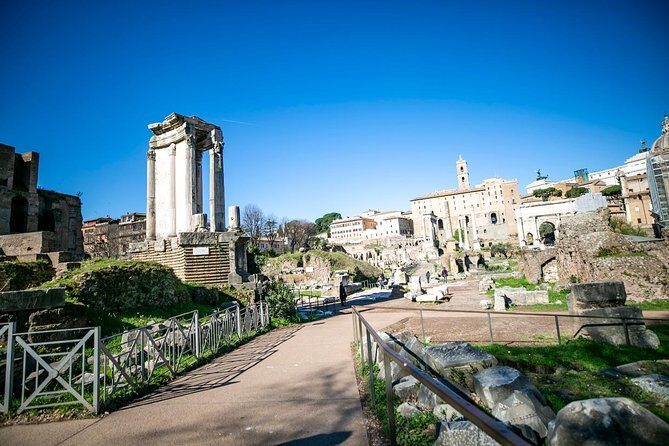
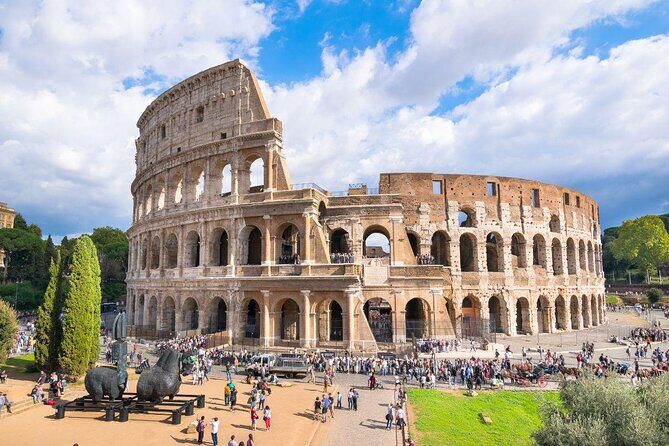
Your day starts with the Colosseum, and you get about one hour there with admission included. Even if you’ve seen photos, it hits differently in person: massive scale, the sense of spectacle, and that very Roman mix of engineering and entertainment.
A great guide makes this stop feel less like sightseeing and more like understanding. In feedback, guides such as Tommaso (described as having deep archaeology knowledge) and others like Claudia were praised for pacing and for linking details to the bigger story of Roman society. That’s the difference between knowing the Colosseum is old, versus knowing what it represented and how it worked as a public stage.
Practical tip: you’ll likely want to start your wandering early. Once you’re moving with the group, it’s easier to hit the key viewpoints first, then use the remaining time for photos and the “wait, I can see that” moments.
The Roman Forum and Arch of Constantine: Where the Empire Ran
After the Colosseum, the tour moves outside again to the Arch of Constantine and into the Roman Forum. You get another hour, and admission is included.
This is one of the best “why this place matters” pairings in Rome. The Colosseum is the show. The Forum is the daily engine: political, religious, and social life—where Rome’s decisions and ideas played out in public.
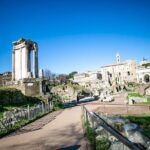
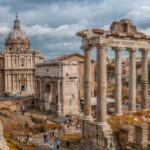
The Forum stop is packed with named highlights your guide can point out, including the Arch of Titus and sites tied to the Senate and early religious structures. You’ll also see references to the House of the Vestal Virgins, the Temple of Saturn, and several major arches, including the Arch of Septimius Severus.
What you’ll get out of it depends on your curiosity, but even if you’re not a Roman history person, the Forum becomes easier to follow when your guide explains the layout like a map—what’s civic, what’s sacred, and what’s ceremonial.
Capitoline Hill, Il Vittoriano, and a Short Breath of Rome
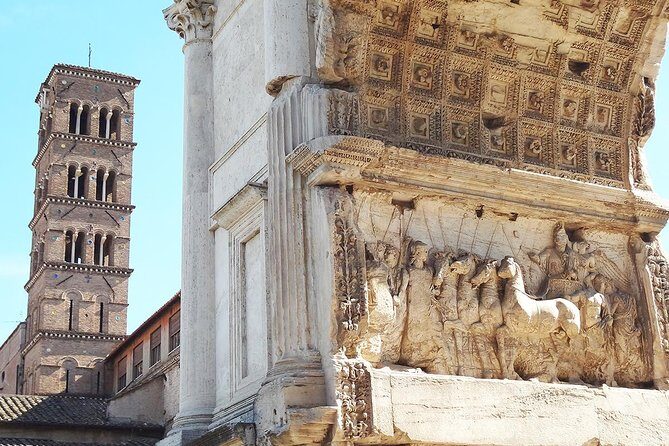
Next comes Colle Capitolino (Capitoline Hill) with about 30 minutes allotted, plus admission included. You walk up along the Sacred Way, which helps give context: this hill was always about status and power.
Here, you’ll see Il Vittoriano. Whether you love it or not, it’s one of those monuments that helps you connect modern Italy to the layered Rome that came before it. It also offers a nice reset between heavy hitters—Colosseum and Forum are big and intense; Capitoline gives you a viewpoint and a change of texture.
This short segment is worth paying attention to. If your legs are tired, at least use the time to look outward and connect what you saw downstairs to what Rome looks like from above.
Other Rome-in-a-day tours that include the Sistine Chapel


Trevi Fountain, Pantheon, and Piazza Navona: The City-Center Sweep
After the ancient core, the tour shifts into Rome’s classic center.
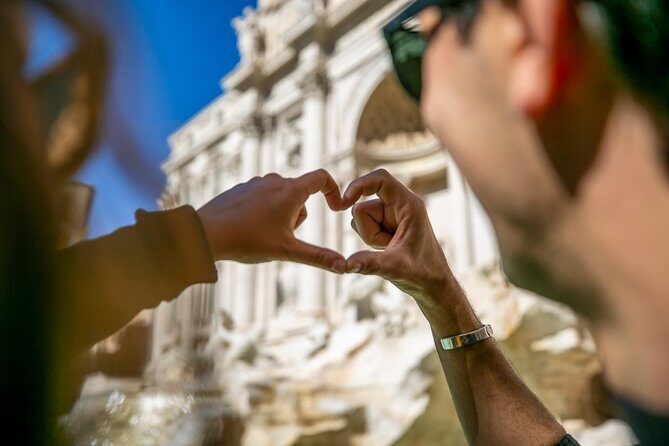
Trevi Fountain gets about 30 minutes. Yes, you can throw a coin, wish, and follow the legend. But the real value of this stop is that it’s a reset: you’re not learning an archaeological site map anymore. You’re seeing how Rome performs as a living city with legends, crowds, and architecture on full display.
Then you head to the Pantheon for about 30 minutes. The Pantheon is famous for its dome and the sense of scale inside, but the guide’s interpretation matters here too—especially if they connect it to Renaissance art and the burial of Raphael.
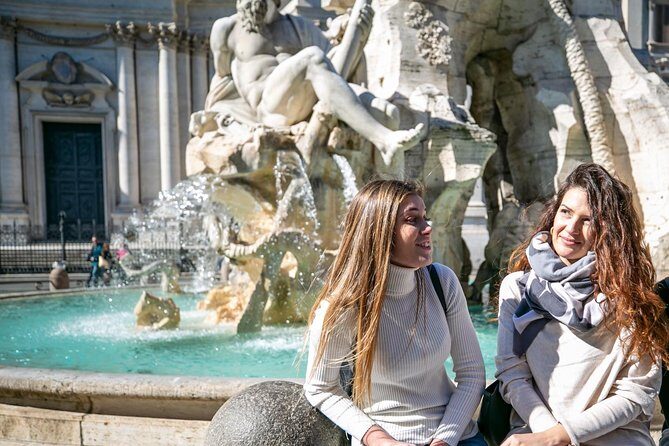
After the Pantheon, the day links into Piazza Navona and Bernini’s Fountain of the Four Rivers (also about 30 minutes). Your schedule compresses these landmarks into one flow, so you’ll want to prioritize what you care about most: the architecture, the fountain, or a quick sit-down moment.
One caution: because the timing is tight, you may not get long “wander time” at each stop. If you’re the type who needs to linger for photos, pick your must-do shot in advance.
Vatican Museums: The Day Starts With the Rooms Most People Don’t Plan For
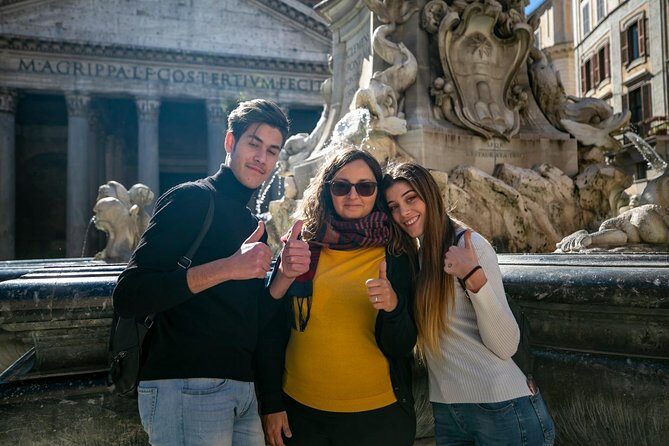
Day 2 begins at the Vatican Museums with a guided route that’s meant to show you more than the single-file walk most people picture.
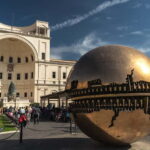
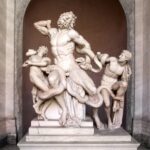
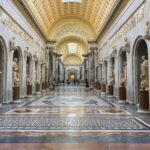
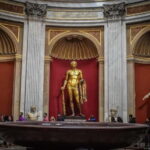
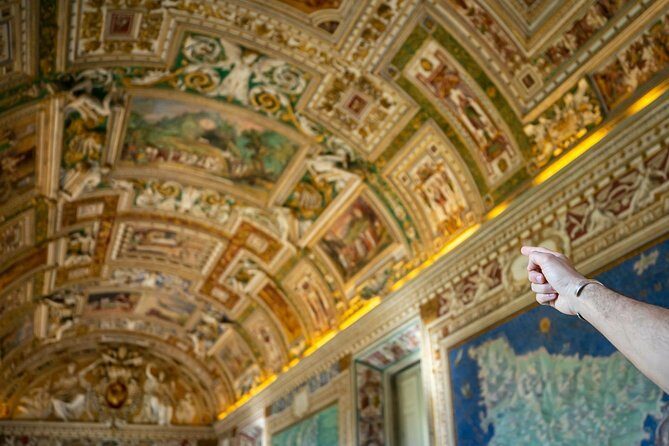
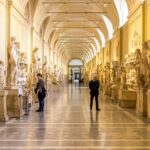
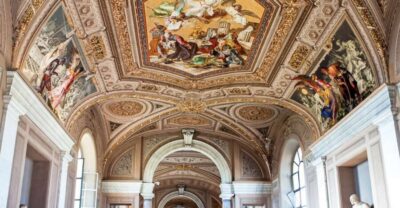
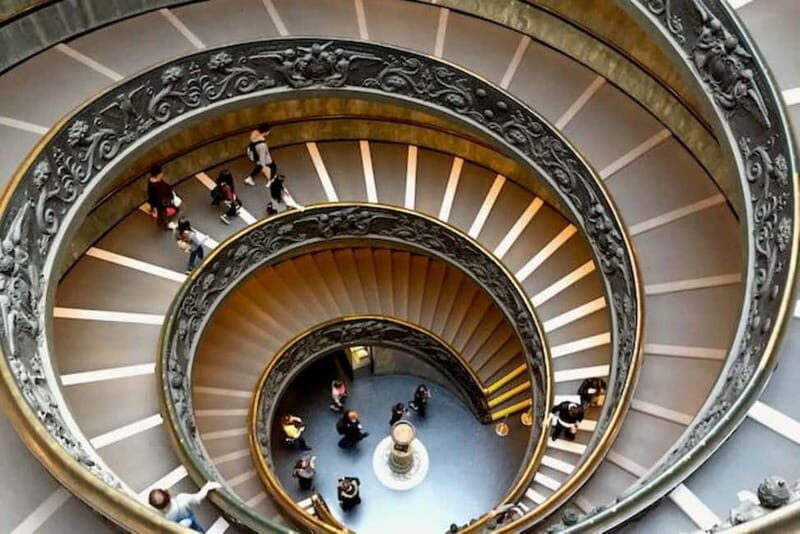
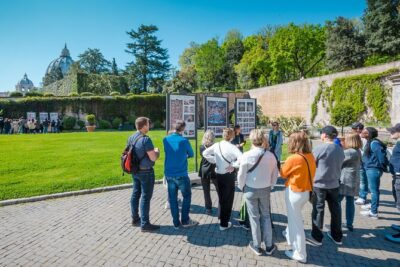
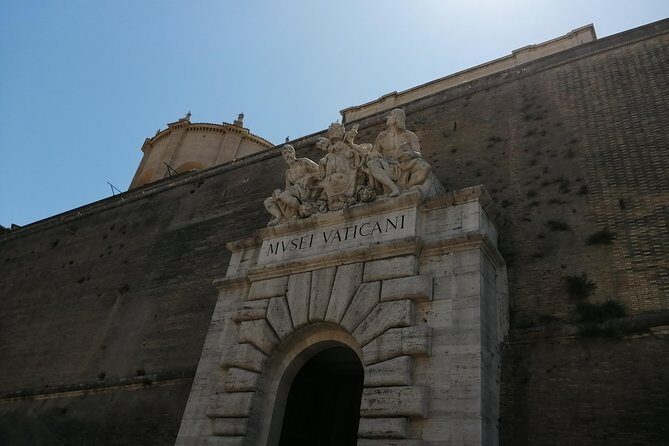
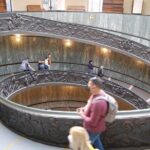
You meet your guide at the Vatican Museums entrance and head to the Belvedere Courtyard, then on to the Pio-Clementine Museum, where you’ll see statues from ancient Rome and Greece. The tour also includes time at several major gallery areas, including the Gallery of Tapestries and the Gallery of Maps. The maps gallery is highlighted as having an exceptional collection of Renaissance maps, which is a fun shift from sculpture and paintings into “Rome through geography.”
You’ll also visit the Sobiesky Room and the Immaculate Conception Rooms, including the Vatican’s largest canvas noted in the schedule.
This is where the art historian role matters most. The museums can feel like a blur of artwork unless someone gives you a way to categorize what you’re seeing. When guides like Sara or Angelica are involved, the emphasis tends to be on connecting pieces to the bigger story behind them—which helps your brain file the art instead of forgetting it at the end of the day.
Expect about one hour for this museum portion. It’s focused, not exhaustive. You leave with a clear path through the museum’s greatest “anchors,” not a checklist of everything.
Raphael Rooms and the Sistine Chapel: The Art Moment You Actually Remember
Next you move to the Stanze di Raffaello (Raphael Rooms), with about 30 minutes. These rooms were painted for Pope Julius II by Raphael, and the schedule points to major masterpieces, including the Parnassus and the School of Athens.
These rooms are not just pretty. The value is in learning how they were designed to communicate ideas—and how those ideas fit into the Vatican’s role in Renaissance politics and spirituality.
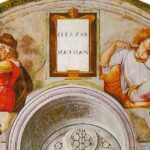
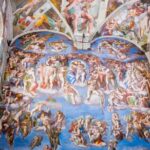
After that comes the Sistine Chapel, again about 30 minutes. This is the moment people come for, but your guide’s pre-visit context helps you see more than painted ceilings. The tour highlights both Michelangelo’s ceiling frescoes and paintings on the walls by Botticelli and contemporaries.
A big “watch this” note: the tour data explicitly warns that during the current pope’s intense activity, the Sistine Chapel might not be accessible last minute. If that happens, your guide will provide an alternative focusing on what can still be seen inside the Vatican Museums.
St. Peter’s Basilica and St. Peter’s Square: What to Expect in the Finish
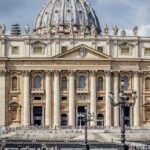
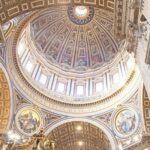
After the Sistine Chapel, you’re scheduled for St. Peter’s Basilica (about 30 minutes). The tour description mentions exploring side chapels and hidden crypts, plus stops that include Michelangelo’s Pietà and explanation of why it is the only work by Michelangelo that he signed. It also includes talk about Bernini’s work, including altarpieces and the dome’s significance.
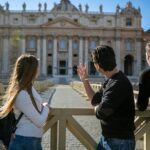
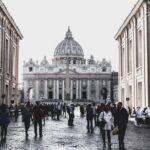
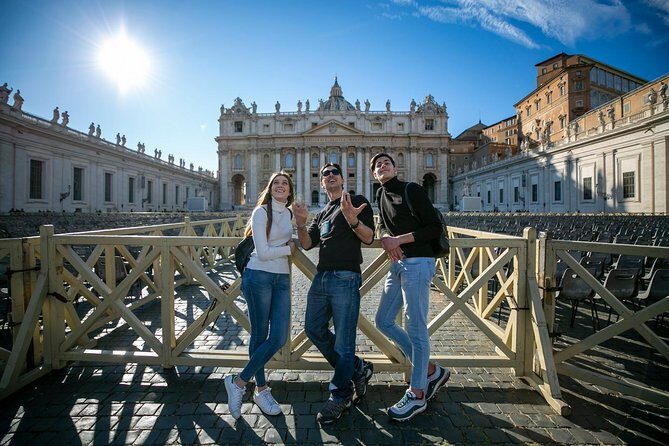
Then the tour ends in St. Peter’s Square, with about 30 minutes and no stated admission.
However, the fine print says something important: it also states that the Basilica is not included because of access issues from the museums tied to the Jubilee. That means you should treat the Basilica segment as a “scheduled possibility,” not a guaranteed finish. Your guide should know what access is actually available on the day.
Either way, the ending at St. Peter’s Square is a good place to breathe. It’s wide open compared to the museum corridors, and it gives you space to decide what you want to see next on your own.
Pace, Walking, and How to Prep So Day 2 Doesn’t Beat You
This tour takes moderate physical fitness and involves walking between multiple major areas—Colosseum to Forum to city center, then Vatican Museums and multiple Vatican buildings.
If you want the experience to feel enjoyable (not like a leg workout disguised as art), do the boring stuff:
- Wear comfortable shoes you’ve already broken in
- Bring something to drink and small snacks for the gaps between stops
- Keep your shoulders and knees covered for Vatican entry so you don’t scramble for a fix
Pace matters too. One of the highlights from the feedback is that the structure feels manageable and not overwhelming. The schedule is tight, but it’s not a 10-hour sprint without breaks. The guides appear to handle timing and pacing carefully, including for people with mobility concerns—something Claudia was specifically praised for in feedback.
Price and Value: What You’re Paying For at $721.26
At $721.26 per person for about two days, this is not a “cheap and cheerful” Rome plan. The value comes from what’s bundled rather than from what you pay separately.
Here’s what’s clearly included:
- Professional art historian guide plus a local guide
- A private tour for your group
- Colosseum entrance ticket plus reservation fee (listed values: €18 and €2)
- Admission included for the other booked stops on the schedule (Colosseum/Forum and the Vatican museum and art rooms)
You’re also getting something harder to price: interpretation. When the guide is described as a university archaeology professor or as highly sensitive to group needs, that’s not fluff—it changes how much you get out of each site in limited time.
Is it worth it? If you want Rome to feel like a coherent story and you’d rather spend your time looking at art and architecture than sorting out logistics, yes. If you’re the type who prefers total freedom and long unscheduled wandering, you might find the fixed timing less appealing.
Who Should Book This (and Who Might Want a Different Plan)
This tour is a great fit if:
- You want two concentrated days covering both ancient Rome and the Vatican
- You like guides who explain what you’re seeing rather than just pointing
- You’re comfortable with a moderate amount of walking and standing
It may be less ideal if:
- You hate being constrained by scheduled stop times
- You’re not willing to follow a strict dress code
- You’re relying on the Sistine Chapel and Basilica as guaranteed must-sees during sensitive pope-event dates
One more “fit” point: this is offered in English and guided with an emphasis on history and art context. If that’s your priority, you’ll likely appreciate the extra effort.
Should You Book It?
I’d book this if you want a strong Rome “spine” in two days: Colosseum → Forum → city icons on Day 1, then Vatican Museums → Raphael Rooms → Sistine Chapel, with St. Peter’s as the likely (but not always guaranteed) finale.
I wouldn’t book it blindly if Vatican access during pope events would break your trip. The tour provides an alternative inside the museums if parts close, but you’re still making a bet on what’s open that day.
If you do book, lock in the basics fast: match your full names and ID for Day 1, pack the right outfit for entry, and plan to arrive at the meeting point on time.
FAQ
What is the duration of the Rome in 2 Days tour?
It’s listed as 2 days (approximately).
How much does the tour cost?
The price is $721.26 per person.
Are tickets and admissions included?
Yes. Admission tickets are included for the Colosseum and Roman Forum, and the itinerary notes admission included for the Vatican Museums and art stops. The Colosseum entrance ticket (€18) and reservation fee (€2) are specifically valued in the details.
Do I need to follow a dress code?
Yes. You must cover knees and shoulders. No shorts or sleeveless tops are allowed, and refusal of entry is possible if you don’t comply.
Is transportation included?
No. Private transportation isn’t included, and there’s no hotel pick up and drop off. You meet at Piazza del Colosseo, 3.
What if the Sistine Chapel or St. Peter’s Basilica are closed?
The tour notes that some areas might close last minute due to pope-related events. If that happens, your guide will provide an alternative focusing the tour inside the Vatican Museums.
More Sistine Chapel + Colosseum Combos at the Sistine Chapel & Vatican
More Rome-in-a-Day Tours at the Sistine Chapel & Vatican
More Sistine Chapel Tours at the Sistine Chapel & Vatican
- Skip-the-Line Group Tour of the Vatican, Sistine Chapel & St. Peter’s Basilica
★ 4.5 · 12,779 reviews