REVIEW · ROME
Rome in a Day Tour Including Vatican Sistine Chapel Colosseum and All Highlights
Book on Viator →Operated by Private Tours of Rome · Bookable on Viator
Rome in one day can still feel huge. This fast-paced private route strings together the Colosseum, Pantheon, and the Vatican so you get answers for what you’re seeing, not just photos. You also get art historian-guide storytelling that turns big landmarks into specific, understandable moments.
What I like most is that the tour is built for first-timers and time-crunched visitors: clear meeting point, reserved key entries, and a guided pace that still lets you pause. It’s also the kind of day where names like Sara, Tommaso, Claudia, Max, Paola, and Francesco come up in a good way because the guides know how to read people and keep the energy moving.
One consideration before you book: parts of the Vatican can close last minute due to the pope’s schedule, and that can affect access to the Sistine Chapel and/or St. Peter’s Basilica. The guide will provide a Vatican-focused alternative if closures happen.
In This Review
- Key Things That Make This Tour Worth Your Time
- The Route That Lets Rome Fit Into One Day
- Meeting at Piazza del Colosseo and Getting Through Entry Rules
- Entering the Colosseum: Arena Access and “Seeing the Whole Thing”
- Roman Forum and the Arches-and-Temples Sprint
- Trevi Fountain Break: Quick Legend, Real-Time Lunch
- Marcus Aurelius Column and the Government District Quick Hits
- Pantheon: One Stop You’ll Feel for More Than 30 Minutes
- Piazza Navona and Bernini’s Four Rivers
- Vatican Museums: Your Shortcut Past Confusion
- Sistine Chapel and St. Peter’s Basilica: When Dress Code Matters
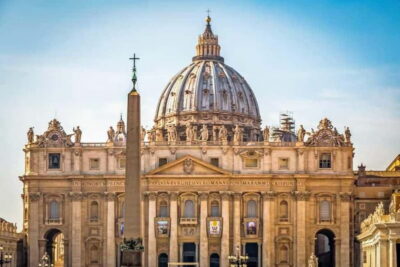
- St. Peter’s Square Finale: Done at the Right Spot
- Price, Value, and What You’re Really Paying For
- Should You Book This Rome in a Day Tour?
- FAQ
- How long is the Rome in a Day tour?
- What time does the tour start, and where do we meet?
- Is this tour private?
- What’s included in the price?
- Do I need a dress code and a mask?
- What ID do I need for entry to the Colosseum and Roman Forum?
- What if the Vatican sites close last minute?
Key Things That Make This Tour Worth Your Time
- Art historian framing: you’ll learn the why behind what you’re looking at, not just dates and names.
- Reserved Colosseum entry included: fewer headaches for one of the hardest places to time well.
- Focused, efficient stops: you still get meaningful time at Trevi, Pantheon, Piazza Navona, and the Vatican.
- Private group experience: only your party participates, which helps with crowd flow and questions.
- Vatican contingency plan: if the Sistine Chapel and/or Basilica close, your guide adjusts the plan inside the Vatican Museums.
- You start and end in the right places: begin at Piazza del Colosseo and finish at St. Peter’s Square.
The Route That Lets Rome Fit Into One Day
Rome is big. Even if you’re motivated, it’s easy to burn half a day just getting from one ticket line to the next. This tour solves that by covering the most iconic “must-see” sites in a logical order: ancient Rome first, then the center, then the Vatican.
You’ll feel the value most when you’re staring at ruins that look like piles of stone. A good guide helps you understand what each arch, temple, and wall was doing in its original city. That’s the difference between walking through Rome and reading Rome.
Also, you’re not stuck with a rigid script for every second. The tour is designed to keep you moving, but it’s still described as going at your own pace with guide attention—meaning you can stop for a view, ask a question, and not feel like you’re being marched past everything.
Other Sistine Chapel tours we've reviewed in Rome
Meeting at Piazza del Colosseo and Getting Through Entry Rules
The day starts at Piazza del Colosseo 23 at 9:30 am, and you finish in St. Peter’s Square. This is handy because you begin right where your first big stop starts, and you end where it’s easier to continue exploring the Vatican area on your own.
One thing to plan for: you’ll need to follow entry rules closely for the Colosseum and Roman Forum. You must provide the full names of everyone in your group at booking, and you’ll need a valid passport or ID document that matches those names. If names don’t line up, entry can get messy fast.
Bring your own FFP2 mask for the day, and expect security-style checks at major attractions. The tour also notes social distancing has to be maintained, which can affect how lines move.
Entering the Colosseum: Arena Access and “Seeing the Whole Thing”
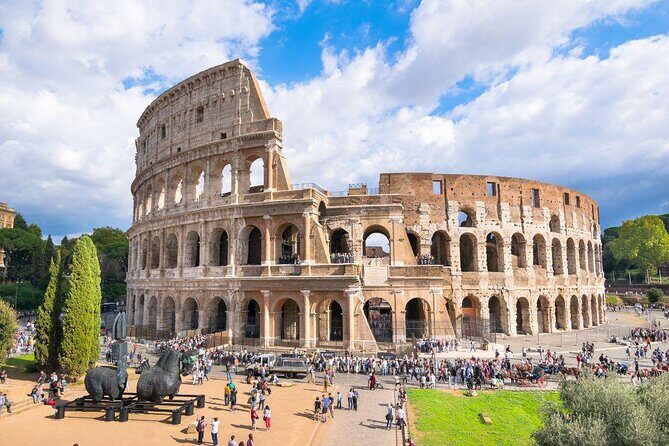
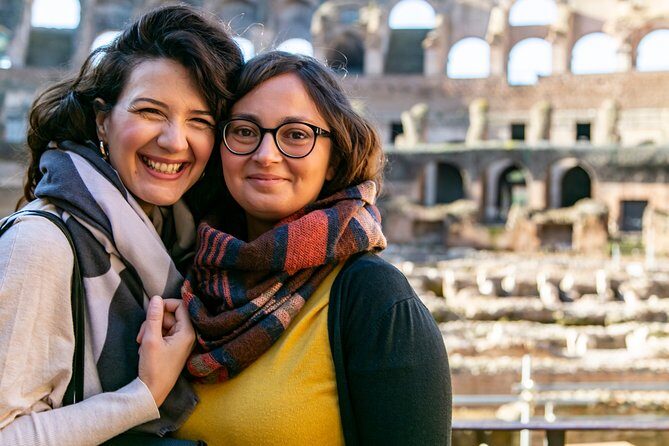
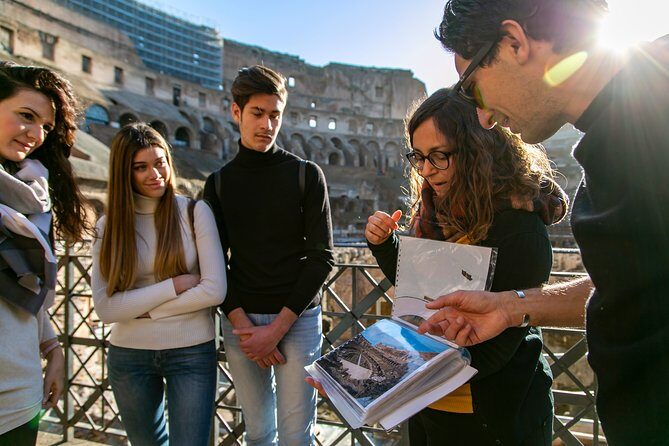
The first stop is the Colosseum, with about 1 hour on site and admission included. The key advantage is that the tour takes you inside the arena area—so you’re not just looking at the building from the outside like a postcard tourist.
What matters most here isn’t only the size. It’s how the guide frames the amphitheater as a working machine of ancient Rome—how it was designed to hold crowds and produce spectacle. With an art historian-guide (not just a basic narrator), you’re more likely to notice the details you would otherwise miss: how spaces relate to each other and why certain parts were placed where they were.
Colosseum timing is also about trust. You’ll have a reservation fee included, which helps reduce the uncertainty that comes with trying to book last minute.
Practical tip: this is a place where shoes matter. You’ll be on your feet, and crowds can slow you down even if everything is scheduled.
Roman Forum and the Arches-and-Temples Sprint
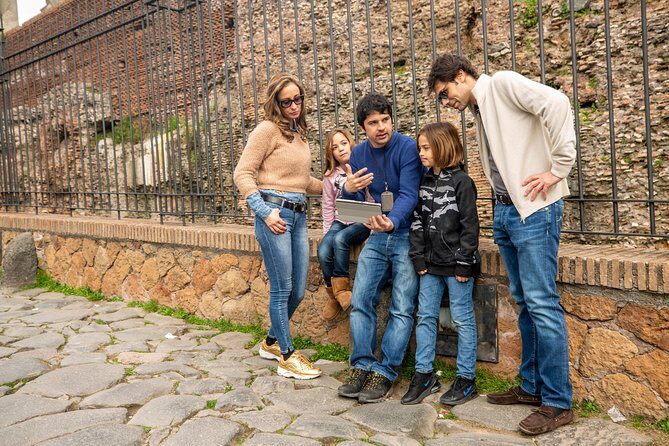
After the Colosseum, you move to the Roman Forum for about 30 minutes (with admission included). In this short window, your guide points out the big architectural and political signals of the ancient city.
You’ll see highlights such as the Arch of Constantine, the Arch of Titus, the House of the Vestal Virgins, the Temple of Saturn, the Senate House, and the white marble Arch of Septimius Severus. That’s a lot of famous names packed into a small amount of time, so the guide’s role is crucial: they help you connect each site to the broader story of power, religion, and daily civic life.
You’ll also follow the guide to Capitoline Hill and the Vittoriano, with a route via the Sacred Way. The Vittoriano is a modern monument, but pairing it with the Forum makes sense—you get a sense of how Rome keeps layering meaning on top of meaning.
Reality check: 30 minutes is short for the Roman Forum. If you want slow wandering and deep reading, plan to return another day. But for a first-time sweep with context, this is strong.
Trevi Fountain Break: Quick Legend, Real-Time Lunch
Next up is Trevi Fountain, about 30 minutes with admission free. This stop is famous for a reason: it’s one of the best photo locations in the city, and it’s also one of the best places to understand Rome’s love of dramatic water and theater.
You’ll hear the coin-in-the-well legend, and you’ll have time to pause, look, and take pictures. Then the tour builds in a practical break for rest and lunch at your own expense. You’ll find lots of nearby options, from pizza and sandwiches to sit-down meals.
The best way to use this stop is to treat it like a reset. After ancient ruins and arches, you want a meal and a little time to breathe before you climb into more art-and-architecture stops.
Other Rome-in-a-day tours that include the Sistine Chapel

Marcus Aurelius Column and the Government District Quick Hits
You’ll then head toward the government area for a shorter 10-minute viewing window that includes the Column of Marcus Aurelius and nearby sights. The column is tied to the Temple of Hadrian and was built to honor an ancestor, which gives the statue-story an extra layer beyond its appearance.
This part of the day works well because it interrupts the heavier monuments with a more compact stop. If you’re the type who likes art details, this is a good moment to slow down for a minute and look at what’s carved into the monument surface.
Even in a quick stop, the guide can help you notice patterns—because that column isn’t just decoration. It’s political messaging in stone.
Pantheon: One Stop You’ll Feel for More Than 30 Minutes
The Pantheon is next, with about 30 minutes and admission included. This is a place where the architecture does most of the talking, even before you read a single plaque.
Your guide will point out that Raphael is buried here, which gives you a human connection to the space. The Pantheon isn’t just a big building; it’s a lesson in design and the long life of Roman ideas into the Renaissance.
If you’re visiting as an art lover, this is one of your best payoff stops of the day. A guide’s commentary can help you understand what you’re seeing in the dome and how the building’s structure creates that famous sense of scale.
Piazza Navona and Bernini’s Four Rivers
You’ll reach Piazza Navona for about 20 minutes, admission free. The tour route includes a look near the Ancient Baths of Nero, which adds texture to the walk so the square doesn’t feel like an isolated postcard.
At the center is the Fountain of the Four Rivers by Bernini. This is the kind of artwork that looks impressive in motion—walk around and you’ll see how it plays with perspective and drama.
Because the time is limited, don’t plan to do serious museum-style analysis here. Use it for what it’s best at: appreciating the sculpture and architecture from multiple angles, grabbing a snack if you need one, and soaking up the energy of a real public square.
Vatican Museums: Your Shortcut Past Confusion
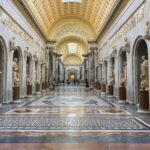
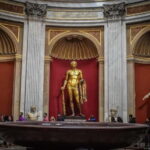
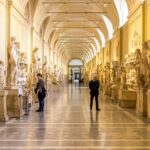
The Vatican Museums are where the day shifts gears. You’ll spend about 2 hours here, with tickets included, and then continue onward toward St. Peter’s. This is a long enough segment to feel like more than a quick look, but not so long that your attention disappears into the crowd.
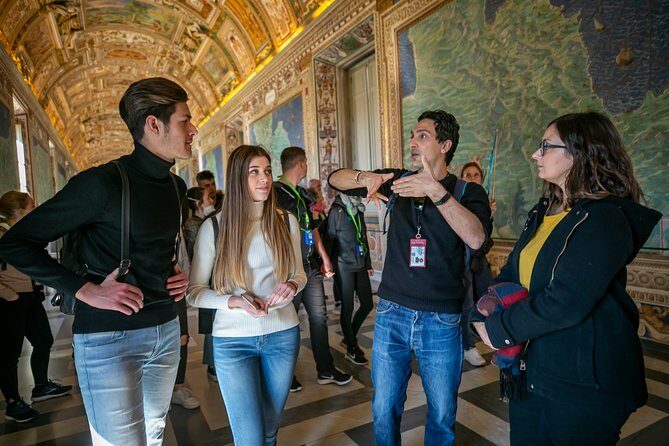
This stop is valuable because it’s the most concentrated display of art and papal-era storytelling in the Vatican. With an art historian-guide, you’re more likely to understand what you’re seeing as a system of meaning—how the Church used art to teach, impress, and record power.
Crowds are real in the Vatican, so it helps to have a guide keeping you moving between key spaces rather than letting you drift.
Important note: the tour warns that last-minute closures can happen in Vatican spaces, including the Sistine Chapel and/or St. Peter’s Basilica. If that occurs, the guide provides an alternative focusing on the Vatican Museums.
Sistine Chapel and St. Peter’s Basilica: When Dress Code Matters
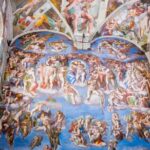
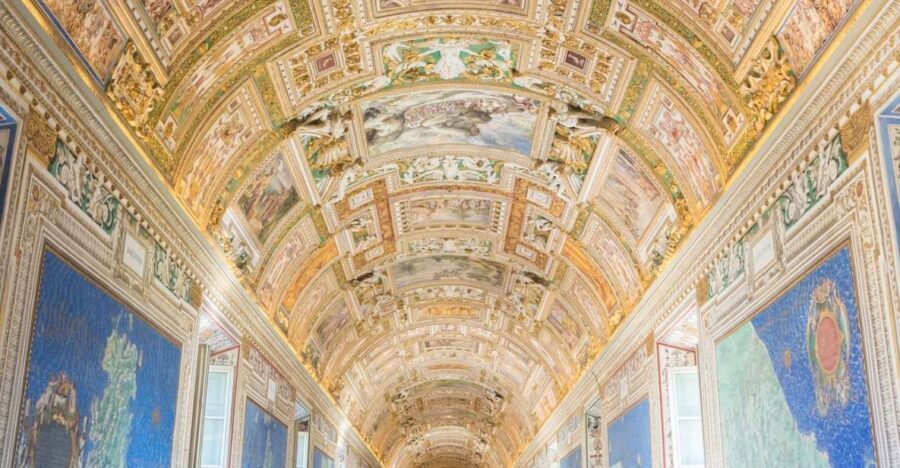
You’ll spend about 15 minutes at the Sistine Chapel with admission included. That sounds short, and in a way it is—but the value is getting the context right away. Your guide will connect major elements you can recognize instantly, including Michelangelo’s ceiling and also Raphael frescoes, plus areas linked to the pope’s art.
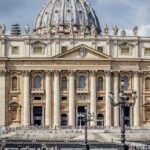
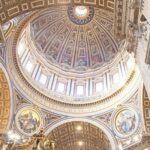
Then it’s on to St. Peter’s Basilica for about 30 minutes, with admission included. You’ll explore side chapels and learn about crypts, plus you’ll see Michelangelo’s Pietà. The guide also explains why this is the only work that Michelangelo signed, and talks through the mastery behind Bernini’s altarpiece. You’ll also hear how Michelangelo worked for the honor to paint the magnificent dome.
This is where you must follow the rules. A dress code is required: no shorts or sleeveless tops. Knees and shoulders need to be covered for both men and women. If you don’t meet the requirements, you may be refused entry, which can ruin the whole flow of the day.
If you want one piece of practical advice: dress like you’re going to a serious church meeting, not like it’s a casual stroll.
St. Peter’s Square Finale: Done at the Right Spot
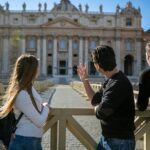
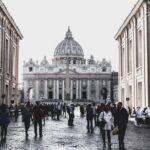
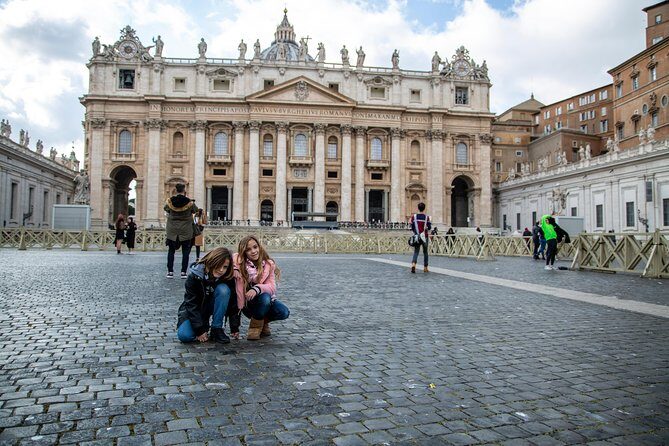
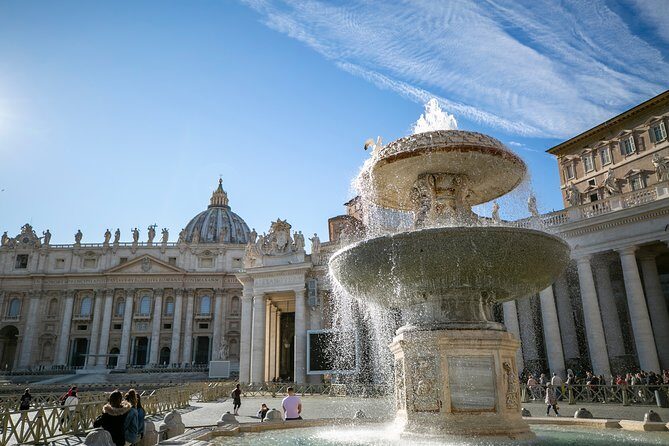
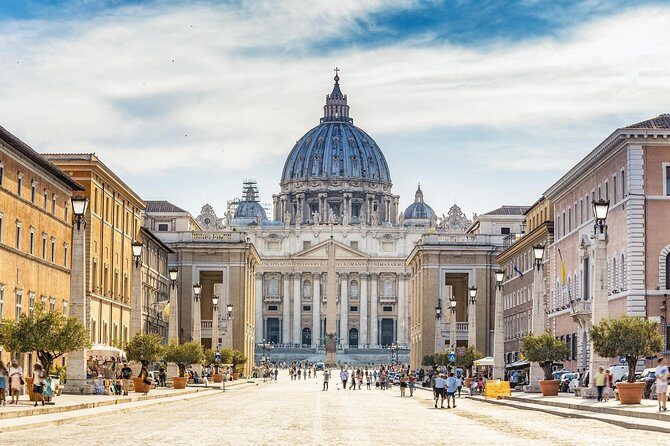
The tour ends in St. Peter’s Square (about 15 minutes). This matters because the square is one of the easiest places to orient yourself after the basilica and museums crush.
You’re not left in the middle of nowhere. You can step out, catch your breath, and decide whether you want to continue Vatican-area exploring on your own or head back toward central Rome.
This ending point is also good for photo planning. By the time you reach the square, you’ve already spent the day seeing the Vatican’s most important art and architecture, so the view feels like closure rather than a random last stop.
Price, Value, and What You’re Really Paying For
At $663.74 per person for around 6 hours, this is not a budget tour. But you are paying for something specific: an art historian-guide plus multiple major-ticket experiences packed into one coordinated day.
What’s included goes beyond basic guiding. Colosseum entrance and the Colosseum reservation fee are included, and key museum/basilica admissions (Pantheon, Vatican Museums, Sistine Chapel, St. Peter’s Basilica) are included too. Local taxes are included as well.
What’s not included is predictable: food and drinks, and no transportation to/from attractions. There’s also no hotel pickup, so you’ll meet at the Colosseum and handle your own way there.
Value-wise, this kind of tour makes sense if you fit one of these categories:
- You’re on a first trip to Rome and want the highest-impact sites with context.
- You love history or art and hate walking into places without a guide to explain what you’re seeing.
- You want a private format so your group isn’t split from your guide or stuck dealing with mixed pacing.
If you’re the type who wants long museum time and slow wandering, this tour might feel like a sprint. It’s designed for focus, not for endless lingering.
Should You Book This Rome in a Day Tour?
I’d book it if you want a guided Rome day that hits the top sights with real explanations and a guide who can keep you moving in crowds without turning it into a rushed checklist. The route is timed to cover the Colosseum, Forum, Trevi, Pantheon, Piazza Navona, and the Vatican in one shot, with admissions included where it counts.
I’d think twice if you’re uncomfortable with a full day on your feet, or if you’re counting on the Sistine Chapel and St. Peter’s Basilica no matter what. Vatican closures can happen last minute due to papal scheduling, and while the guide will offer an alternative, it may not be exactly the plan you pictured on day one.
If your goal is to see most of Rome’s icons with smart guidance and minimal guesswork, this is a strong match. You’ll walk away with a clearer sense of what you saw and why it mattered.
FAQ
How long is the Rome in a Day tour?
It runs for about 6 hours.
What time does the tour start, and where do we meet?
The start time is 9:30 am, and the meeting point is Piazza del Colosseo, 23, 00184 Roma RM, Italy.
Is this tour private?
Yes. It’s a private tour/activity, and only your group participates.
What’s included in the price?
The experience includes professional art historian guide services, walking tour, local taxes, and admission for key sites like the Colosseum, Pantheon, Vatican Museums, Sistine Chapel, and St. Peter’s Basilica (with the Colosseum reservation fee included). Food and drinks are not included.
Do I need a dress code and a mask?
Yes. There’s a dress code for places of worship and selected museums: no shorts or sleeveless tops, and knees and shoulders must be covered. You also need to bring your own FFP2 mask.
What ID do I need for entry to the Colosseum and Roman Forum?
Each traveler must present a valid passport or ID document that matches the full name provided at booking.
What if the Vatican sites close last minute?
The tour notes that areas might be closed last minute due to the pope’s events, and the Sistine Chapel and/or St. Peter’s Basilica might not be accessible. If that happens, your guide provides an alternative focusing on the Vatican Museums.
More Sistine Chapel + Colosseum Combos at the Sistine Chapel & Vatican
More Rome-in-a-Day Tours at the Sistine Chapel & Vatican
More Sistine Chapel Tours at the Sistine Chapel & Vatican
- Skip-the-Line Group Tour of the Vatican, Sistine Chapel & St. Peter’s Basilica
★ 4.5 · 12,779 reviews