REVIEW · ROME
All-included Rome in a Day Tour with Vatican Sistine Chapel Colosseum & Pantheon
Book on Viator →Operated by Walking Tours of Italy · Bookable on Viator
Six hours, eight icons, one plan. This all-included Rome day tour links ancient ruins and major Renaissance art in a single, organized route—so you spend less time figuring things out and more time actually looking. It’s designed for time-pressed visitors who still want real context, not just a checklist.
I love the reserved Colosseum entry paired with skip-the-line Vatican Museums access, because that time savings matters when you only have one day. I also love that you’re guided by a professional art historian, with explanations aimed at what you’re seeing—Raphael, Michelangelo, and Bernini are all part of the story.
One drawback: the day is packed and walking-heavy, and Vatican access can change last minute due to papal events or Jubilee disruptions. You’ll do great if you’re prepared with the right clothing and a flexible mindset.
In This Review
- Key highlights worth caring about
- How this Rome day tour strings together the must-sees
- Entering the Colosseum: more than a big photo stop
- Roman Forum walking to Capitoline Hill and the Vittoriano
- Trevi Fountain legends and a lunch break you control
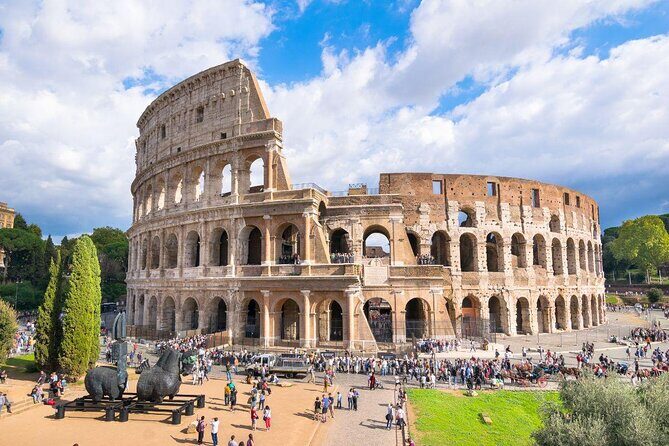
- Pantheon and Raphael’s tomb: brief stop, big payoff
- Piazza Navona and Bernini’s Four Rivers Fountain
- Vatican Museums with skip-the-line access (and why it’s worth it)
- The Sistine Chapel: what you’re actually there to see
- St. Peter’s Basilica: side chapels, Pietà, and the papal crypt
- Price and time: is $662.26 per person good value?
- What can trip you up: dress code and last-minute changes
- Best fit: who should book this private Rome day?
- Should you book this Rome in a Day tour?
- FAQ
- What’s included in the tour price?
- Do I need skip-the-line or reserved entry?
- What sites do we visit during the day?
- What dress code do I need for entry?
- Can Vatican areas close during the tour?
- Where does the tour start and end?
Key highlights worth caring about
- Reserved entry at the Colosseum so you can head straight inside rather than waiting in the street flow
- Skip-the-line Vatican Museums that sets you up for Sistine Chapel without losing half your day to queues
- Art historian guidance that connects monuments and paintings to the people who made them
- Time-efficient walking route through Trevi, Pantheon, and Piazza Navona instead of long transfers
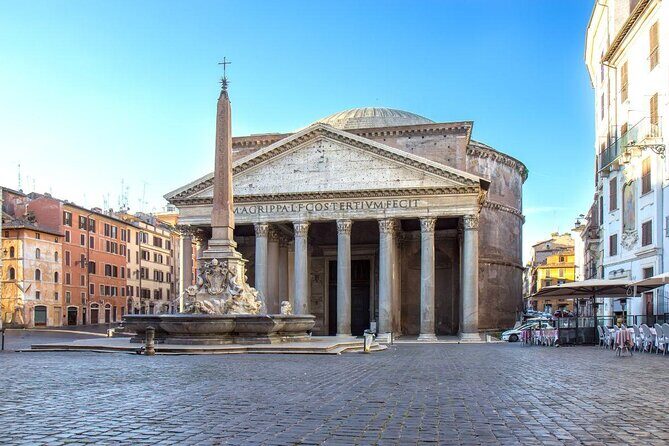
- St. Peter’s Basilica plus the papal crypt when access allows, ending at St Peter’s Square
- Dress code matters: plan for covered shoulders and knees, or you risk being turned away
How this Rome day tour strings together the must-sees
This is one of those plans that works because it’s built around walking and smart timing. You start at the Colosseum area, keep moving through the city, then cross into Vatican territory near the end of the day. For many people, that’s the main value: you avoid the Rome-on-your-own paralysis of What order do I do these in, and where do I waste time?
The format is also a plus. It’s a private tour (only your group), in English, with a guide who’s there to keep you on track and answer the questions that pop up when you’re face-to-face with the real thing. You’ll have scheduled entry for key stops, and you’ll also have brief walking segments that connect the sights to each other.
The tour is built for moderate physical fitness, since it’s an active day. If you know you’re comfortable moving for hours, you’ll likely feel like the day is flying—in a good way.
Other Sistine Chapel tours we've reviewed in Rome
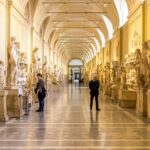
Entering the Colosseum: more than a big photo stop
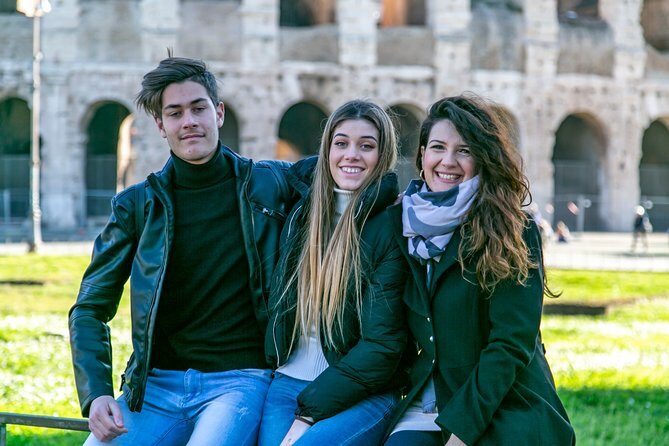
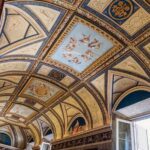
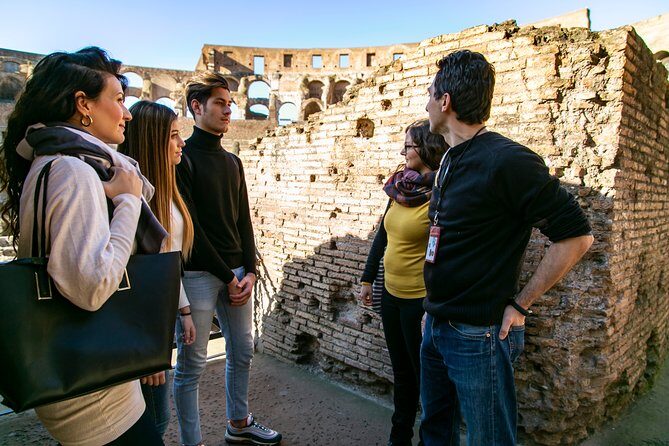
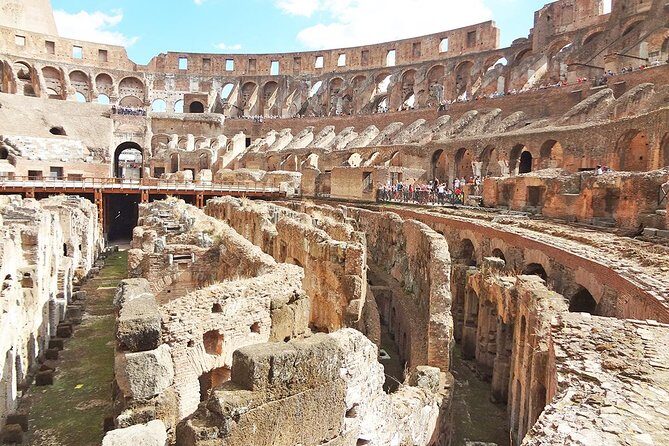
Your day starts at Piazza del Colosseo. From there, you go straight into the Colosseum with held/reserved tickets, which is exactly what you want in a place that draws constant crowds. Once inside, you’re not just looking at the arena. Your guide steers you toward how to read the space: how the architecture reflects the power of the Roman world.
After your Colosseum visit, you head for the Arch of Constantine and then into the Roman Forum area. This is where the tour really starts to feel cohesive. The Forum isn’t one attraction—it’s the core stage where social, political, and religious life ran. You’ll see remains of major landmarks around the square, including the Arch of Titus, the House of the Vestal Virgins, the Temple of Saturn, the Senate House, and the Arch of Septimius Severus.
Practical note: entry here depends on your details. You’re expected to provide full names matching your passport/ID when booking, and you must bring a valid ID that matches. If you don’t, you can get denied entry at the Colosseum and Roman Forum ticket office. This is not the place to wing it.
Roman Forum walking to Capitoline Hill and the Vittoriano
From the Forum area, you move into a quieter “flow” of the day—up the Sacred Way toward the Capitoline Hill and the Vittoriano. Even if you’re not a monument buff, this segment helps you understand how Rome’s layers overlap. You’re stepping through parts of the city that still shape modern viewpoints.
The Vittoriano is a modern monument sitting on an older stage. Seeing it in context helps. It’s not only about the view—it’s about how Rome constantly reuses symbolism. When you look around after a structured walk like this, you’ll start noticing sightlines and “where people would gather” logic more easily.
This section also sets up what comes next: your route keeps pulling you outward from the ancient center toward famous central Rome streets and squares.
Trevi Fountain legends and a lunch break you control
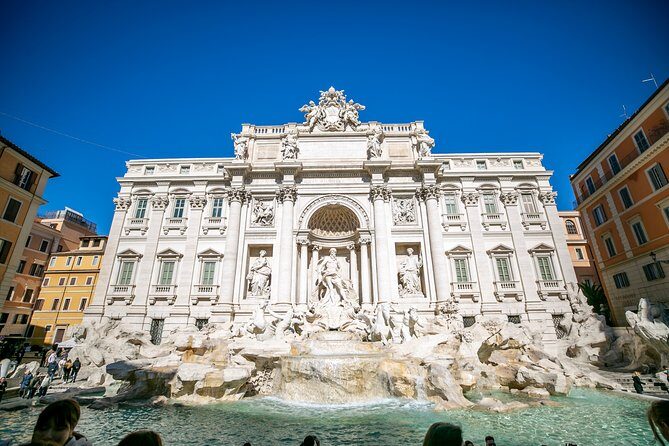
Next up is the walk to Trevi Fountain, one of the city’s most photographed scenes. The tour keeps it moving, with time built in for you to take in the façade and make a wish. (There’s a famous legend here: toss a coin and aim to return to Rome.)
Then you get a lunch break. Here’s the honest part: lunch cost isn’t included, so the value depends on how you use the time. The guide can suggest options, and the day is designed so you can pick whatever fits your style—pizza, a sandwich, or something more involved if you want to sit down and recharge.
If you tend to eat late or you’re picky about menus, this is where you’ll want to plan. A scheduled lunch window can either be relaxing or feel rushed. If you’re the first type, great—you’ll be set up for a strong afternoon. If you’re the second type, go simple and keep your pace.
Pantheon and Raphael’s tomb: brief stop, big payoff
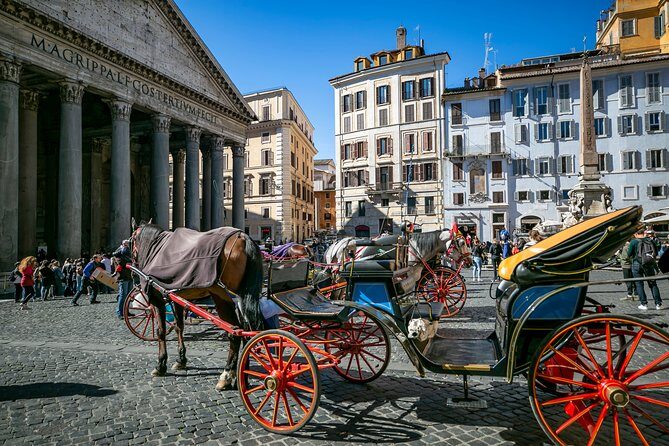
After lunch, you head toward the Pantheon, with a stop along the way near the government district landmarks. You’ll pass by the Parliament building, the Palace of the Council of Ministers, and the Column of Marcus Aurelius, plus you’ll see the Temple of Hadrian nearby.
Why does the tour bother with this? Because it helps the Pantheon feel less like a random stop and more like a centerpiece you can place in a living city. Rome isn’t a museum you walk through—it’s an active capital surrounded by layers.
At the Pantheon, you’ll also see the tomb of Raphael, the Renaissance painter and engineer. That detail matters. It turns the visit from I saw the big dome into I understand why this building mattered to later artists, not just to the Romans who built it.
The time here is short, so the trick is to focus. Look up at the interior space, take in the structure, then let Raphael’s tomb act like a “final note” before you move on.
Other Rome-in-a-day tours that include the Sistine Chapel

Piazza Navona and Bernini’s Four Rivers Fountain
You then make your way toward Piazza Navona. En route, you pass by the Ancient Baths of Nero, which adds another layer to the day’s story. It’s a small but satisfying reminder that Rome’s ancient sites aren’t confined to the obvious tourist zones.
At Piazza Navona, the spotlight is Bernini’s Fountain of the Four Rivers. This is one of those places where art feels like it’s performing right in front of you—stone figures and symbolism, arranged to pull your eyes around the square. The tour gives you time to pause and take it in rather than simply walking past.
If you like people-watching, this is also a good square to slow down for a minute. The layout gives you that Rome-after-lunch energy: chatter, motion, and a strong sense of what “a city square” feels like.
Vatican Museums with skip-the-line access (and why it’s worth it)
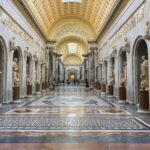
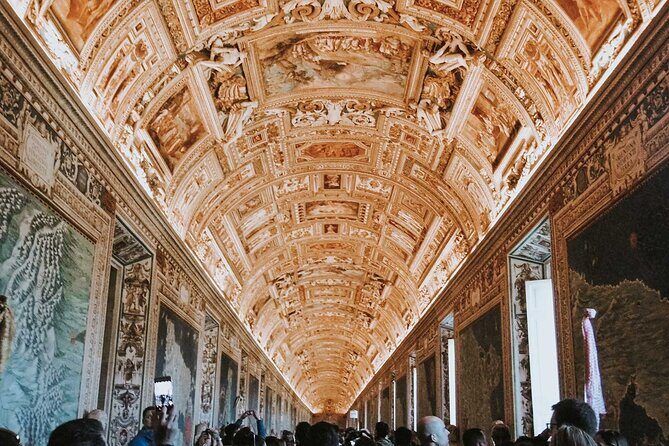
Then the day shifts into Vatican territory. You cross the Tiber area on foot and reach the Vatican Museums. This is the stop that usually makes the whole day worthwhile, because you get skip-the-line access here.
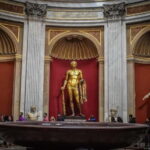
Inside, you’ll see major highlights, including frescoes by Raphael, plus Michelangelo’s famous Sistine roof frescoes. Even when you don’t know every name, your guide helps you see patterns—what was painted, why it mattered, and how the artists used scale and storytelling to communicate belief.
Time-wise, this is scheduled but not rushed. It gives you a real chance to recognize what you’re seeing: the Vatican Museums are vast, but your guide steers you so you don’t end up lost in a blur of galleries.
The Sistine Chapel: what you’re actually there to see
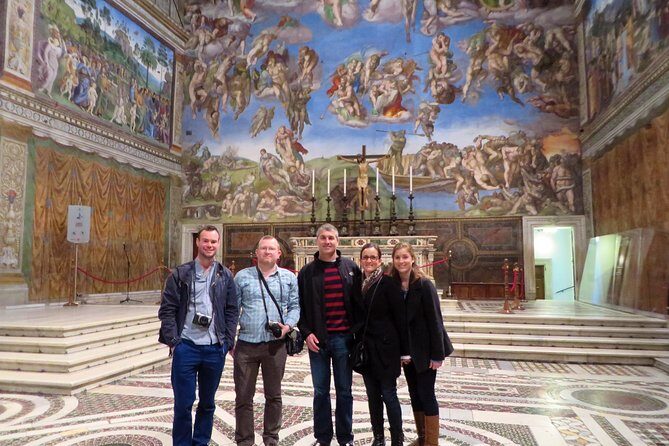
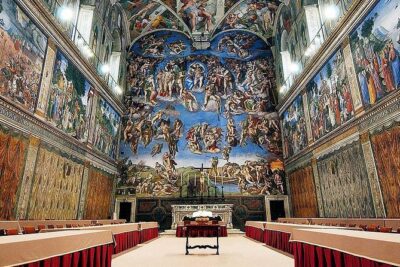
After the Vatican Museums, you visit the Sistine Chapel, where your route includes the chapel’s role in modern papal events and its role in art history.
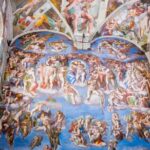
The key works you’ll focus on include Michelangelo’s The Last Judgment and Biblical fresco scenes such as the creation of Adam. This is one of those experiences where the guide’s framing helps a lot. Without it, you can stare upward and still miss the emotional structure of the scenes.
And yes, it’s a working religious site. You’re visiting a place with ongoing importance, including the chapel’s use for papal elections. That makes your time feel less like sightseeing and more like witnessing something historically and spiritually alive.
St. Peter’s Basilica: side chapels, Pietà, and the papal crypt
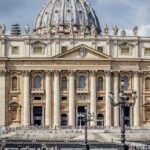
Next comes St. Peter’s Basilica, where you tour major spaces including side chapels with their hidden crypts. Your guide points out Michelangelo’s Pietà and explains why it’s unique—reportedly, it’s the only work he signed. You’ll also learn about Bernini’s altarpiece and how Michelangelo’s artistic legacy was part of the story of the dome and the competition-era mindset around great art.
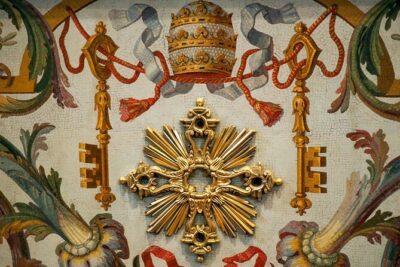
Then there’s the underground piece. You’ll go below ground to the papal crypt, where many popes have been interred over the centuries. The tone here shifts from “wow the art” to “this is why people come and keep coming.” It’s a pilgrimage site for many Catholics, and even if that isn’t your tradition, you’ll feel the gravity.
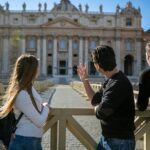
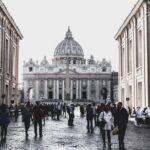
The tour ends in St Peter’s Square, where you can admire the balcony associated with the Pope’s Sunday blessing during the Angelus.
Important caution: the tour data warns that, due to the pope’s active schedule, some Vatican areas might close last minute. If that happens, your guide provides a valuable alternative that focuses on the interior museums.
Also, because of the Jubilee, the Basilica might not be accessible as part of the tour. If that’s your reality, you can still visit afterward by queuing.
Price and time: is $662.26 per person good value?
At $662.26 per person for about 6 hours, this isn’t a budget option. But you’re not just buying access to a list of sights—you’re buying time, guidance, and the cost of “getting in” where it matters.
The package includes a professional art historian guide, a private tour, and Colosseum entrance and reservation fees (with values listed at €18 + €2 per person). The remaining cost covers other tour services, especially the guided flow and the priority approach you’re using.
Here’s the value logic I’d use:
- If you’re short on time and hate lines, skip-the-line at the Vatican Museums can be a big deal.
- If you don’t want to plan the order and you like learning while you walk, the guide earns their fee.
- If you enjoy doing Rome slowly and you’re comfortable navigating ticket queues and route planning, you may find better value by going self-guided.
For many first-time visitors, this price starts to make sense because it trades your time and stress for a structured day with major outcomes.
What can trip you up: dress code and last-minute changes
This tour clearly signals that dress code is required for places of worship and select museums: no shorts or sleeveless tops. Knees and shoulders must be covered for both men and women. If you arrive unprepared, you risk being refused entry, which can ruin a timed day.
It’s also smart to bring your passport/ID and ensure it matches your booking names. For the Colosseum and Roman Forum, failing to present a voucher with all travelers’ full names at the ticket office prior to entry can mean denied entry.
Then there are Vatican disruptions. With high papal activity and Jubilee-related changes, some areas can close without notice. In the worst case, you’ll still do the core of the museums with an alternate focus inside the Vatican, but you should expect the day to be responsive rather than rigid.
Best fit: who should book this private Rome day?
This works especially well if:
- You only have one day and you want the headline sites (Colosseum, Pantheon, Vatican).
- You prefer guided interpretation, especially for art (Raphael, Michelangelo, Bernini).
- You’re comfortable with walking and moving through several neighborhoods in one day.
- You want a private group format instead of being bounced along in a huge crowd.
It might be less ideal if you need lots of quiet downtime between stops, or if you’re hoping to linger for long periods at each monument. This plan is built for momentum and efficient appreciation.
Should you book this Rome in a Day tour?
If you’re a first-timer with limited time, I think it’s a strong choice—mainly because it protects what matters most: access and context. The skip-the-line Vatican Museums plus reserved Colosseum entry help you avoid the two biggest time-wasters in Rome. Add in an art historian guide and you end up with more than a stack of photos.
Book it if you can handle a busy day, follow the dress code, and bring IDs with names matching the booking. You’ll likely feel like you maximized your one-day return on effort.
Don’t book it if your priority is slow roaming or if you’re worried about last-minute Vatican closures destroying the plan. Rome can be flexible; your expectations should be too.
FAQ
What’s included in the tour price?
The tour includes a professional art historian guide, a private tour, the Colosseum entrance ticket and reservation fee. The rest of the cost covers other services. Transportation to and from attractions is not included.
Do I need skip-the-line or reserved entry?
Yes. The Colosseum uses reserved/held tickets, and the Vatican Museums include skip-the-line access.
What sites do we visit during the day?
You’ll visit the Colosseum, the Roman Forum area, Trevi Fountain, the Pantheon, Piazza Navona, the Vatican Museums, the Sistine Chapel, and St. Peter’s Basilica (with the tour ending in St Peter’s Square).
What dress code do I need for entry?
You must cover shoulders and knees. No shorts or sleeveless tops are allowed for places of worship and select museums. If you don’t comply, you may be refused entry.
Can Vatican areas close during the tour?
Yes. Due to papal activity and events, some areas might close last minute. If that happens, your guide will provide an alternative focusing on the Vatican Museums.
Where does the tour start and end?
It starts at Piazza del Colosseo, 23, 00184 Roma RM and ends in St Peter’s Square at Piazza San Pietro, 00120.
More Sistine Chapel + Colosseum Combos at the Sistine Chapel & Vatican
More Rome-in-a-Day Tours at the Sistine Chapel & Vatican
More Sistine Chapel Tours at the Sistine Chapel & Vatican
- Skip-the-Line Group Tour of the Vatican, Sistine Chapel & St. Peter’s Basilica
★ 4.5 · 12,779 reviews