REVIEW · ROME
Catacombs, Vatican Museums, Sistine Chapel and Roman Basilicas Private Tour
Book on Viator →Operated by Rome Italy Explora · Bookable on Viator
Sacred Rome, all in one long day. This private 8–9 hour experience strings together the underground Catacombs and Rome’s biggest church stops, then finishes with the Vatican’s masterworks. I like the comfort factor: you start with hotel pickup and ride in style with a private chauffeur so you’re not wrestling buses or taxis before you’ve even seen anything.
What really makes it worth your time is the way it’s guided. You get professional guidance where details matter most—licensed explaining in the catacombs and a private Vatican Museums guide who can tailor what you see inside. In one set of five-star feedback, the guide name Giuseppe was singled out for patient, clear explanations of frescoes and mosaics. One thing to consider: catacombs are underground and entry is organized in groups, so if you’re claustrophobic, this won’t be the relaxed walk you might hope for.
In This Review
- Key things you’ll like (and why they matter)
- Why this Rome sacred-sites route feels efficient
- 7:00 am pickup: the comfort move that protects your energy
- Catacombe di San Callisto: the underground start that changes how you see Christianity
- Basilica di Santa Maria Maggiore: why the Virgin Mary legend matters
- Arcibasilica di San Giovanni in Laterano: the cathedral of Rome
- Basilica Papale di San Paolo Fuori le Mura: mosaics, columns, and a sunlit detail
- Vatican Museums: a private, licensed art pass in about two hours
- Sistine Chapel: making 30 minutes feel like a lot
- Price and value: is $2,418.60 per person rational for this day?
- Who should book this private day (and who should think twice)
- Should you book this private Catacombs + Basilicas + Vatican day?
- FAQ
- What time is pickup?
- How long is the tour?
- Is the tour offered in English?
- Which stops are included?
- Are admission tickets included?
- Does it include transportation?
- Is food included?
- What is the dress code?
- Are there any concerns for claustrophobia in the catacombs?
Key things you’ll like (and why they matter)
- Hotel pickup and luxury chauffeur time-savers make a packed day feel manageable
- Licensed guidance in the catacombs helps the underground story make sense fast
- Four major basilicas in one day means less backtracking and more meaningful comparisons
- Vatican Museums plus Sistine Chapel keeps the art-focused momentum going
- Dress code required (knees and shoulders covered) helps you avoid last-minute hassle
Why this Rome sacred-sites route feels efficient
Rome’s holy sites can be overwhelming. You might arrive at a basilica thinking you’ll “just look around,” then lose the plot by the time you reach the ceiling, tombs, and side chapels. This tour is built to prevent that. You’re moving through the major stops with a guide who can connect the dots: what each place is, why it mattered, and what to notice first.
The other smart ingredient is the pacing. You’re not trying to “live” in every room for hours. Instead, you get focused time at each location—enough to see key highlights and absorb context—without spending your whole day waiting in scattered lines or figuring out transit.
And yes, it’s a long day. Expect it to feel full, not casual. If you like structure, this works. If you want slow, wandering Vatican hours, you may feel rushed.
Other Sistine Chapel tours we've reviewed in Rome
7:00 am pickup: the comfort move that protects your energy
The start time is 7:00 am, with pickup from your accommodation (hotel, B&B, apartment). You’ll confirm the pickup address, and if you’re outside the marked pickup area, the provider asks you to message to arrange it.
That matters because Rome runs on morning timing. By the time many independent travelers are still getting started, you’re already in motion. The private chauffeur and luxury transportation help you keep your day on track, especially when you’re hopping between very different parts of the city.
This is also a private tour/activity, meaning only your group participates. That usually leads to a calmer rhythm at stops—less “follow the herd,” more “stay with your guide and keep moving.”
Catacombe di San Callisto: the underground start that changes how you see Christianity
You begin with Catacombe di San Callisto. A catacombs visit is one of those Rome experiences that doesn’t feel like sightseeing. It feels like time travel—long tunnels, handmade dug passages, and a tangible sense of early Christian life starting far from the polished surfaces you’ll see later in the day.
The tour gives you about 1 hour here, with admission included and a professional Vatican guide inside the catacombs. That guidance is important because catacombs are not laid out like a museum floor plan. Without a guide, it’s easy to lose track of what you’re looking at or why certain areas exist.
Two practical things to know:
- Entry is organized in groups under Vatican regulation. You won’t necessarily get a silent, one-on-one crawl through the tunnels.
- If you have claustrophobia, you may find it difficult. The setting is underground and enclosed by design.
If you handle confined spaces okay, this stop is often the emotional anchor of the entire day. It sets a tone that makes the later churches feel less like isolated monuments and more like chapters of a longer story.
Basilica di Santa Maria Maggiore: why the Virgin Mary legend matters
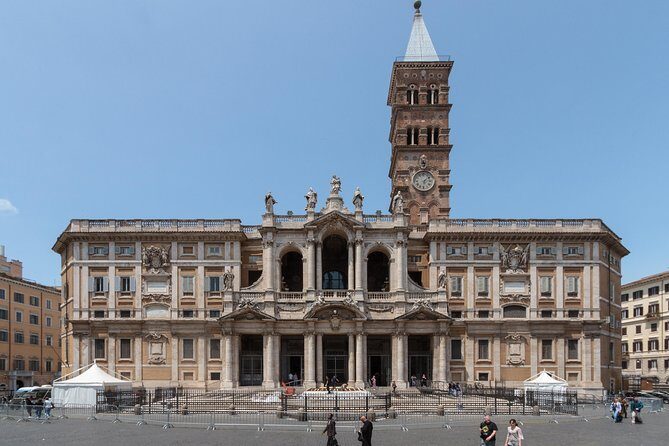
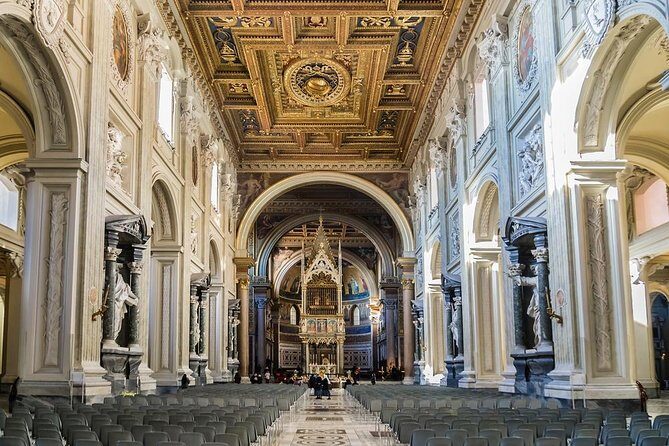
Next is Basilica di Santa Maria Maggiore, one of Rome’s four major basilicas. It’s also the largest Roman church dedicated to the Virgin Mary, which gives you an immediate sense of scale even before you notice the details.
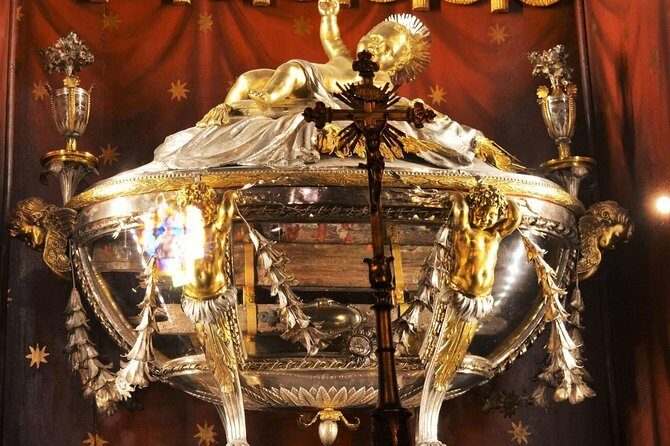
This basilica has a layered origin. It was built in the mid-fourth century under Pope Liberius, with a legend that the Virgin appeared and instructed the building—plus a miraculous snowfall story used to explain the church’s floor shape. Over time, the basilica picked up multiple names tied to those stories: Saint Mary of the Snow, Santa Maria Liberiana, and St. Mary of the Nativity. Today, Santa Maria Maggiore reflects its status as the largest of the 26 churches in Rome devoted to the Virgin Mary.
You’ll have about 30 minutes here, with admission included. Thirty minutes can sound tight, but it’s enough if your guide points out what to prioritize: the historical thread, the meaning behind the design, and the way legend and doctrine got braided together.
A small planning note: because this is a major basilica, the space can feel active. Dress code applies (knees and shoulders covered), so plan clothing that works for both art viewing and church etiquette.
Arcibasilica di San Giovanni in Laterano: the cathedral of Rome
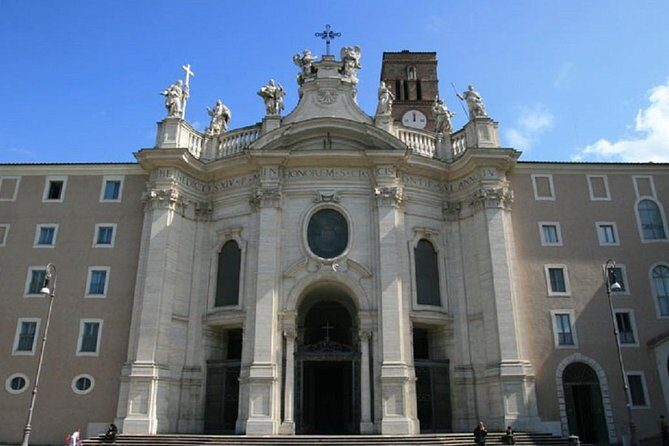
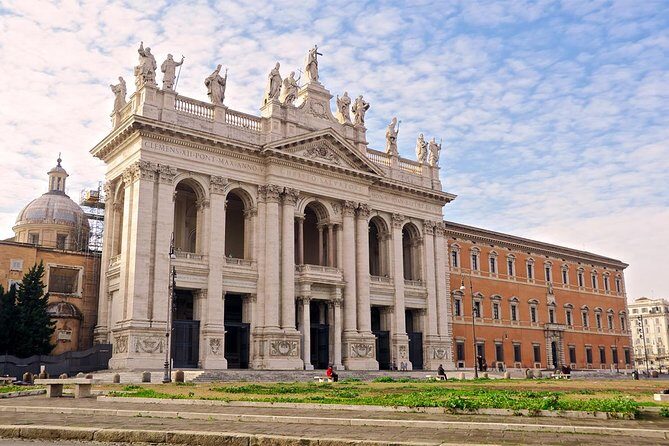
Then you move to Arcibasilica di San Giovanni in Laterano. This is the big one for “Rome’s religious headquarters” energy. It’s described as the cathedral of Rome and the most important of the four major basilicas.
It also carries an impressive claim: it’s known as the oldest church in the world. The building story goes back to the fourth century, starting with Constantine I handing over the Lateran Palace to the Bishop of Rome, and then converting it into a temple. The basilica is founded in honor of St. John the Baptist and John the Evangelist, and it’s often called the mother church of the Roman Catholic faithful.
What I like about this stop is how the guide can connect religion with real political history. The Laterani family lost their land when a conspiracy accusation surfaced, and the property was given to the Bishop of Rome. Over centuries, the basilica survived major disruptions, including fires and an earthquake in 897, and yet it retains its first form even with reconstructions.
You’ll also get time in the baptistery context. For many years, it was the only baptistery in Rome.
The timeline doesn’t stop there. The basilica was the place where popes were enthroned up until 1870. And today, the Pope celebrates Holy Thursday Mass here as Bishop of Rome.
This is another 30-minute stop with admission included. It’s a lot to take in, so what makes it successful is focus. You’ll want to keep your eyes on the key identity markers your guide highlights: why it’s central, what makes it distinct, and how it stayed relevant through upheaval.
Other Vatican Museums tours in Rome

Basilica Papale di San Paolo Fuori le Mura: mosaics, columns, and a sunlit detail
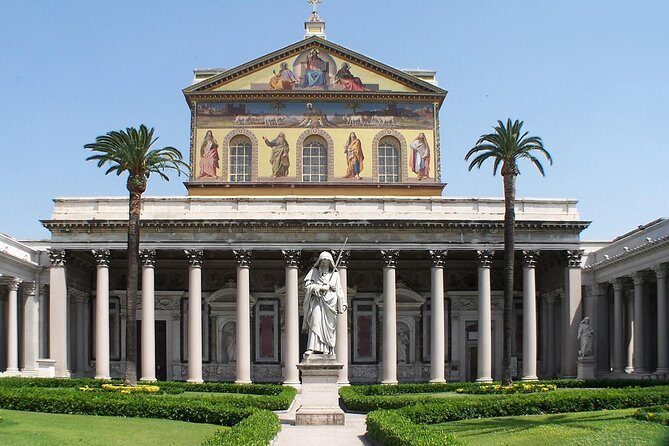
Your final basilica stop is Basilica Papale di San Paolo Fuori le Mura, often called St. Paul Outside the Walls. It’s also one of the four major basilicas and the second largest after St. Peter’s Basilica.
This basilica is built over the burial ground of St. Paul. After Paul’s execution in the first century, followers created a shrine over his grave. In 324, a small church was consecrated on the site, and later it was demolished to make room for a larger basilica completed in 395.
Then history hits hard again. A fire in 1823 damaged much of the medieval structure. Still, you’ll see major survivors and restored splendor, including 13th-century mosaics, a large 12th-century chandelier, and a marble tombstone connected to St. Paul’s remains.
The interior sounds like a mosaic of details, and you’ll get pointed toward the most meaningful ones:
- enormous marble columns
- gold mosaics
- portraits of each pope on the walls, with a ray of sunlight lighting up the portrait of the current Pope
Outside, the atrium is a huge feature. It has 150 columns, and it’s one of the standout photo/visual moments because you can look toward the façade covered by an enormous gold mosaic built between 1854 and 1874. The central portico also includes a colossal statue of St. Paul.
You’ll have about 30 minutes here. That’s short compared to what a single basilica could fill, but it’s designed to get you the “wow” elements without draining your day. The practical tradeoff: if you’re the type who loves lingering, you’ll have to accept that you’re seeing the essentials with purpose.
Vatican Museums: a private, licensed art pass in about two hours
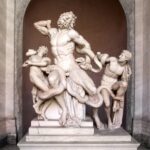
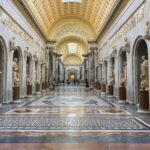
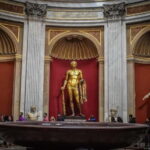
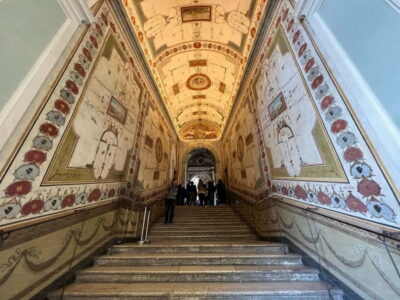
After the basilicas, you shift to Vatican Museums for about 2 hours, with admission included. This is where the private guide can matter a lot, because Vatican Museums are enormous and easy to wander into boredom if you don’t know where to look first.
You’ll be touring with a private, licensed guide, and the goal is to move through the collection efficiently. The stops described include:
- Renaissance masterpieces
- sculptures and mosaics from antiquity
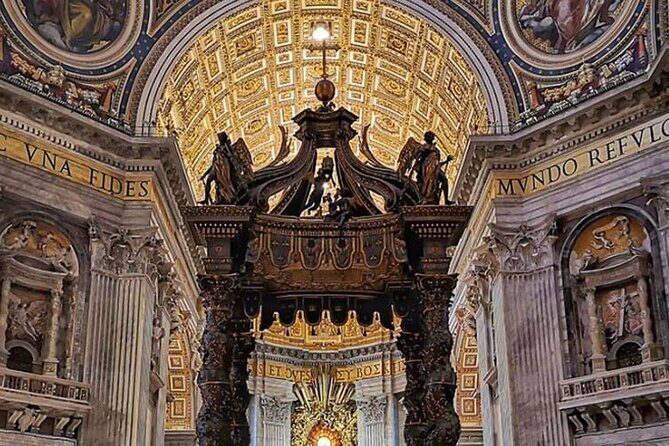
- Bernini’s stunning sculptures
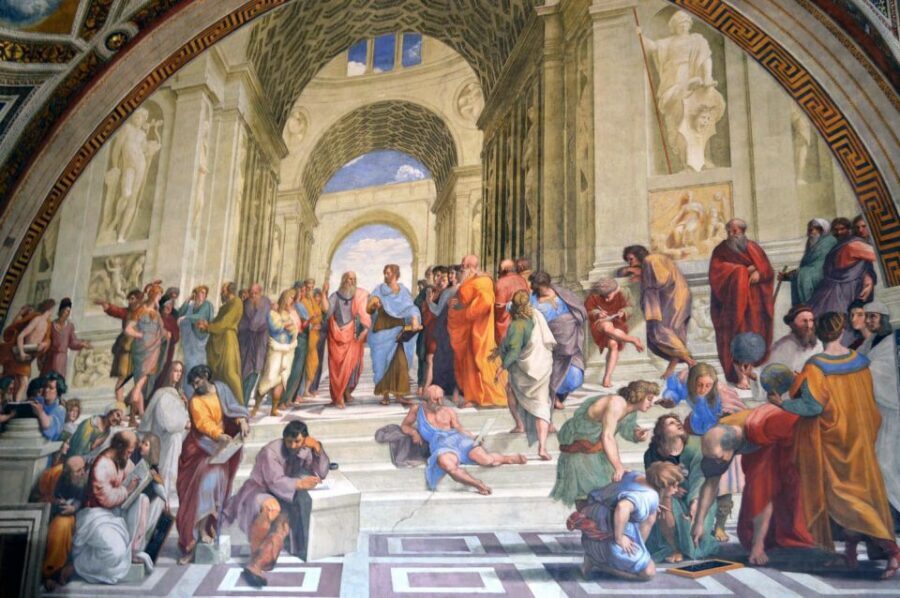
- the Raphael Rooms’ frescoes
- the Gallery of Tapestries featuring Flemish artwork
- the Gallery of the Candelabra with its dramatic sculptures
The tour is private, so you can customize your time to include what you care about. That doesn’t mean you can see everything—Vatican Museums are famously huge—but it does mean your guide can steer you to the most relevant rooms first.
One practical tip for you: plan your priorities before you go in. If you want Raphael, say so early. If you care about Bernini, focus your questions there. With private timing, your choices can actually affect what you get to see.
Sistine Chapel: making 30 minutes feel like a lot
The day’s final art hit is the Sistine Chapel. You’ll have about 30 minutes here with admission included.
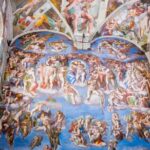
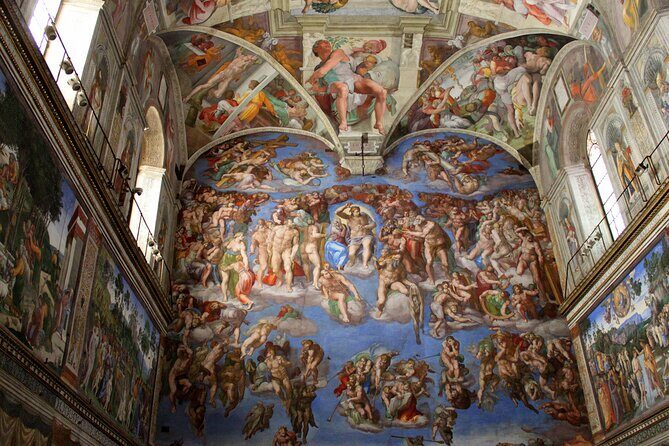
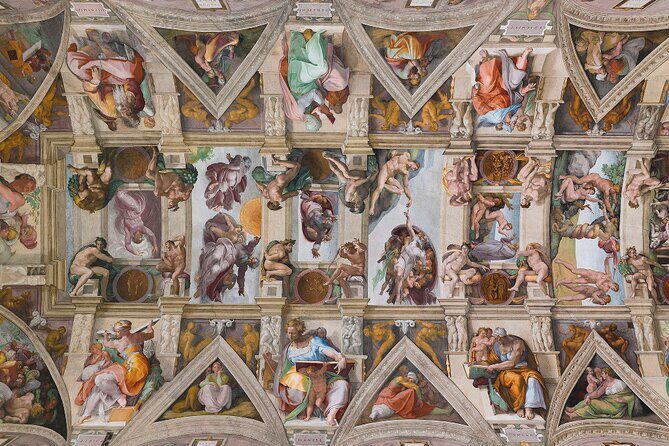
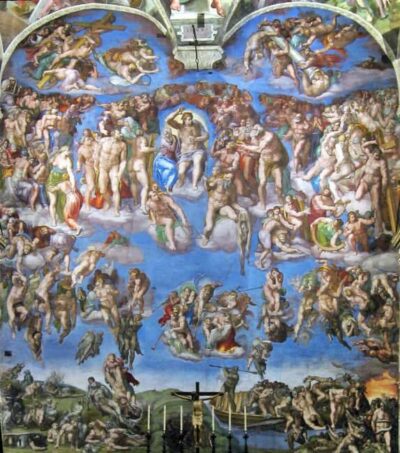
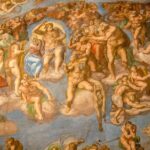
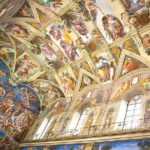
The Sistine is known for Michelangelo’s masterpiece frescoes, covering the walls and ceiling. The chapel was constructed between 1473 and 1481 during Pope Sixtus IV’s mandate, and the frescos are tied to how the popes are chosen and crowned.
Two images dominate the conversation, and you’ll want to see them with your guide pointing out context:
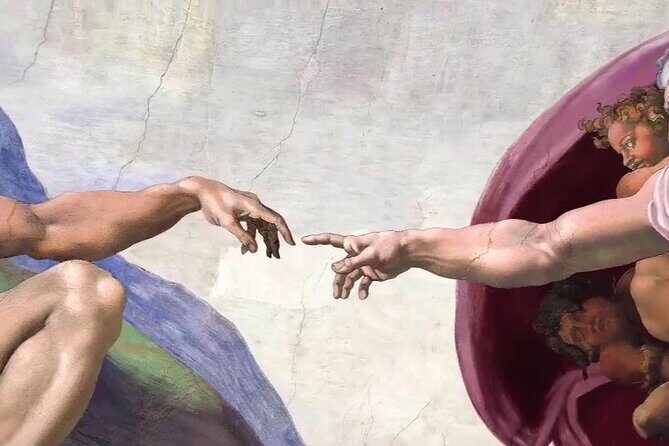
- The Creation of Adam, in the central part of the vault
- The Final Judgment, above the high altar
Thirty minutes at the Sistine isn’t for reading every line like a textbook. It’s for seeing the compositions clearly and understanding what they’re representing. A good guide helps you “read” the ceiling and wall narratives in a way that makes them stick long after you leave.
If you’ve ever stared at a famous ceiling in a crowd and felt you got none of it, this is the fix. The focus here is timing and interpretation, not just standing and trying to squint.
Price and value: is $2,418.60 per person rational for this day?
This tour is priced at $2,418.60 per person and runs about 8 to 9 hours. That number will feel steep, and it should prompt you to ask: what are you actually buying?
You’re paying for three big things:
- Private logistics: hotel pickup, luxury transportation, and a private chauffeur
- Private guiding: professional guides, including a licensed Vatican guide inside the catacombs and a private guide for Vatican Museums
- Access that saves time: admission tickets are included across the stops
Then you’re also paying for the value of speed with meaning. You’re not just buying entry. You’re buying the ability to see multiple “musts” in one day without spending your energy on transit math and long, unstructured wandering.
Where the value may wobble is if your group wants a slow pace. Because the stops are time-boxed (many at 30 minutes), you’re getting highlights with interpretation, not extended chapel-by-chapel time.
Also note one booking reality: the experience is non-refundable and can’t be changed once booked. If your schedule might be flexible, make peace with that constraint before you pay.
Who should book this private day (and who should think twice)
This is a strong fit for you if:
- you want a first-time Rome plan that hits the major religious/art sites in one organized sweep
- you like context and details, not just photos
- you prefer private guiding and a driver to reduce daily stress
It might not be the best match if:
- you’re claustrophobic (catacombs may be difficult, and entry is organized in groups)
- you want a relaxed, wandering day where you can stop whenever your feet get tired
- you’re trying to keep the day short and easy—this is efficient, but it’s still a long stretch
If you’re traveling in English, this is offered in English, and most travelers can participate, with only a small amount of walking involved.
Should you book this private Catacombs + Basilicas + Vatican day?
I’d book it if you want a structured, high-impact Rome day that’s heavy on meaning and light on logistics headaches. The combination is smart: underground early Christianity first, then the major basilicas that shaped Rome’s religious identity, then the Vatican’s art and symbolism in a tight sequence.
One final way to decide: think about what you hate most. If you hate standing in the wrong place, waiting, or guessing what to look at, this private format is exactly built for that. If you hate time pressure, consider whether you’d rather spend two separate days—one for basilicas, one for the Vatican—with longer breaks to breathe.
If your schedule is locked and you’re ready for a full day, this tour is a strong choice.
FAQ
What time is pickup?
Pickup starts at 7:00 am from your accommodation. You’ll need to confirm the pickup address.
How long is the tour?
The tour runs about 8 to 9 hours.
Is the tour offered in English?
Yes, the tour is offered in English.
Which stops are included?
It includes Catacombe di San Callisto, Basilica di Santa Maria Maggiore, Arcibasilica di San Giovanni in Laterano, Basilica Papale di San Paolo Fuori le Mura, Vatican Museums, and the Sistine Chapel.
Are admission tickets included?
Yes. Admission tickets are included for each listed stop.
Does it include transportation?
Yes. You get pickup and drop-off with luxury transportation and a private chauffeur.
Is food included?
No. Food and beverages are not included.
What is the dress code?
Knees and shoulders must be covered.
Are there any concerns for claustrophobia in the catacombs?
Yes. The entrance to the catacombs is organized in groups, and people with claustrophobia may find this tour difficult under the catacombs.
More Private Tours at the Sistine Chapel & Vatican
More Vatican Museums Tours at the Sistine Chapel & Vatican
More Sistine Chapel Tours at the Sistine Chapel & Vatican
- Skip-the-Line Group Tour of the Vatican, Sistine Chapel & St. Peter’s Basilica
★ 4.5 · 12,779 reviews