REVIEW · VATICAN CITY
Vatican Wheelchair Accessible Museums and Sistine Chapel Tour
Book on Viator →Operated by Accessible Italy Tours · Bookable on Viator
The Vatican, minus the line chaos. I love how the reserved tickets help you start fast, and I love the private guide who makes the art click. The one catch to plan around: parts of the route can close last minute (especially the Sistine Chapel), and you won’t get a refund or reschedule if that happens.
This is a smart choice if you want the big-ticket Vatican highlights without the usual stress of stairs, bottlenecks, and rushed looking. Expect a focused pace in two major chunks—Vatican Museums first, then the Sistine Chapel—done in about three hours.
In This Review
- Key points before you go
- Entering the Vatican fast: reserved tickets and the meeting spot
- Vatican Museums highlights: classic sculpture, maps, tapestries, and more
- What you might like most
- A possible drawback
- Raphael’s Rooms: where your guide’s pacing really shows
- Sistine Chapel: a pre-brief that makes the art easier to see
- The biggest advantage for wheelchair users
- Accessibility that’s planned, not improvised
- What you should watch for
- Dress code and other rules that can ruin a day
- Price and value: what $343.05 buys you
- What this tour does and does not include
- Who should book this wheelchair accessible Vatican Museums and Sistine Chapel tour?
- A note about the 60 euro entrance charge
- Should you book? My straight answer
- FAQ
- FAQ
- How long is the Vatican wheelchair accessible museums and Sistine Chapel tour?
- What language is the tour offered in?
- Do I get skip-the-line entry?
- Are admission tickets included?
- Is St. Peter’s Basilica included?
- Is private transportation included?
- What’s the meeting point?
- What dress code do I need to follow?
- What happens if the Sistine Chapel or other areas close last minute?
- Is it wheelchair accessible?
- If I’m not disabled, will I pay more at the entrance?
Key points before you go

- Skip the queues with reserved tickets, so you’re not stuck outside waiting.
- Private, English-speaking guide who can explain what you’re seeing before you reach it.
- Wheelchair-friendly route, including guidance on the best paths and elevators.
- Vatican Museums power stops like Belvedere Courtyard, classical sculpture halls, and Raphael’s Rooms.
- Sistine Chapel etiquette briefing so you know what to expect before the no-talking rules start.
- Dress code matters: knees and shoulders must be covered, no shorts or sleeveless tops.
Entering the Vatican fast: reserved tickets and the meeting spot
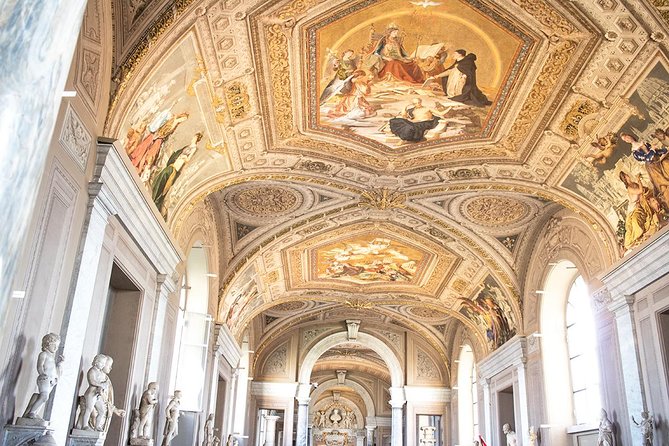
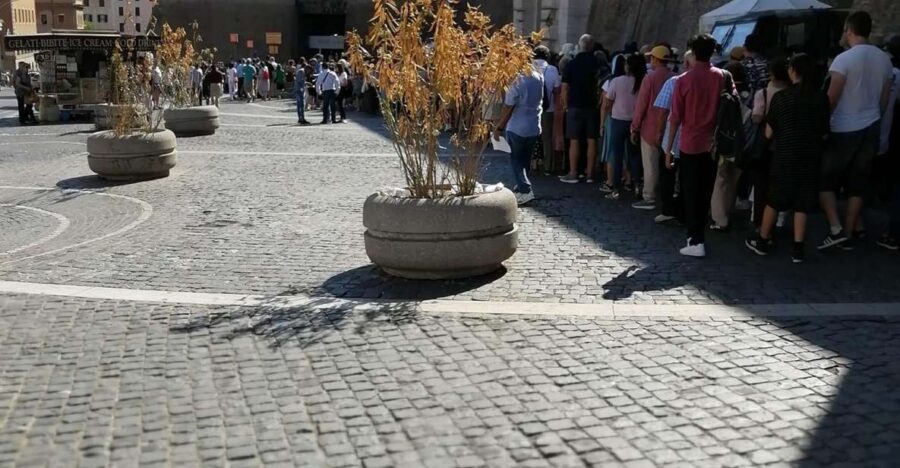
This tour is built for people who want to spend their energy on art, not line management. You meet your guide outside the Vatican Museums entrance at Viale Vaticano, Roma RM, Italy, and the reserved-entry setup means you can typically begin right away instead of hovering with everyone else.
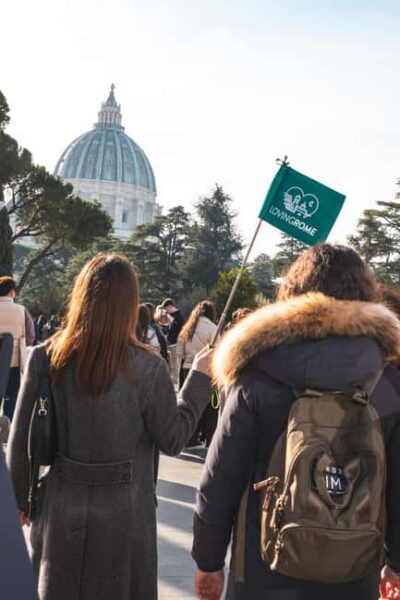
Because it’s a private tour (just your group), the guide can shape the flow to fit mobility needs. That’s a big deal in the Vatican, where even a short delay can turn into a long, exhausting shuffle.
Timing tip for you: arrive with a little buffer. Even with reserved entry, you still need to get yourself set—especially if you’re coordinating a wheelchair, walker, or companion movement.
If you're still narrowing it down, here are other tours in Vatican City we've reviewed.

Vatican Museums highlights: classic sculpture, maps, tapestries, and more
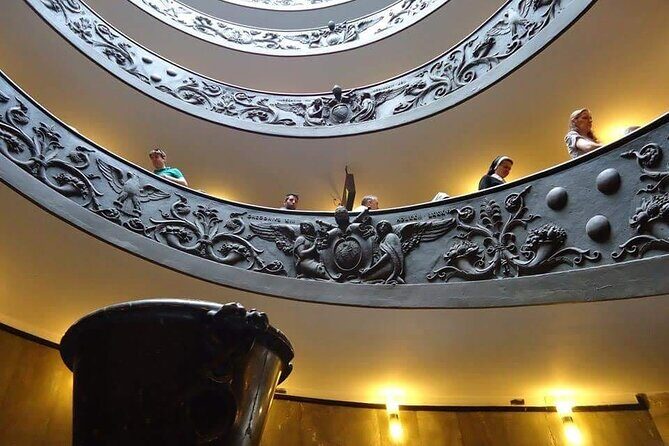
The Museums portion is where this tour earns its “worth it” label. You start with major anchor areas: the Belvedere Courtyard and the Pio-Clementino Museum, with standout collections of Ancient Roman and Greek statues. The guide’s job here isn’t just to name rooms—it’s to help you see what you’re looking at, so you don’t end up treating the Vatican like a checklist.
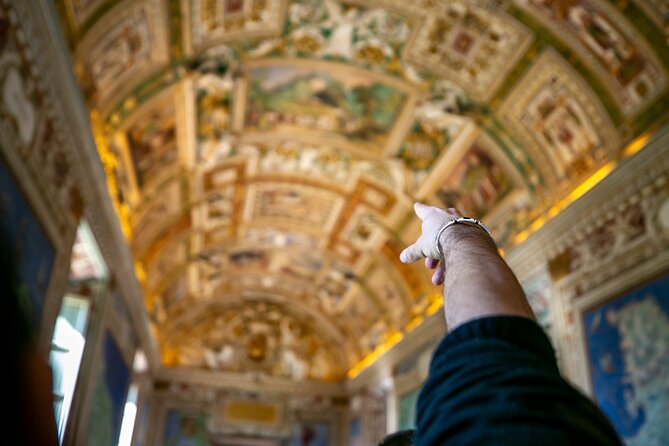
From there, you move into spaces that feel like they were made to stop you in your tracks. The Gallery of Tapestries is a good example: it’s visually impressive, but it’s also a place where context helps. Then comes the Gallery of Maps, often described as one of the most important Renaissance map collections in the world—precisely the kind of room where a guide’s explanations can transform what you thought was “a bunch of maps” into something more meaningful.
You also get time in the Sobiesky Room, including one of the Vatican’s biggest paintings, plus stunning fresco work in the Room of the Immaculate Conception. These are the sorts of spaces where a calm, well-paced visit pays off—because the art deserves time, and crowd noise can otherwise make details feel out of reach.
What you might like most
- You’re not just looking down a hallway. You’re guided through rooms with real visual payoff.
- The explanations arrive before the surprises, so the big moments land better.
A possible drawback
The Vatican Museums are still the Vatican: lots of walking time, even with access support. If your stamina is limited, plan for the need to pause more often than you would on a fully resting day.
Raphael’s Rooms: where your guide’s pacing really shows
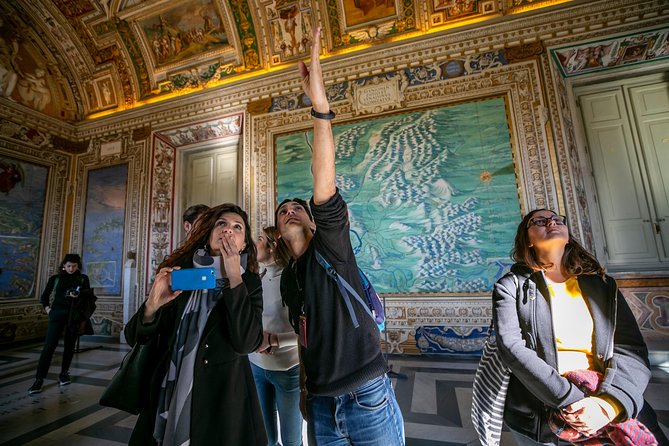
If you only remember one “why this tour” moment from the Museums section, I’d put my money on Raphael’s Rooms. These are the former private apartments of Pope Julius II and are packed with some of Raphael’s best-known works, including The School of Athens and Parnassus.
This is one of those experiences where you’ll feel the value of a human guide. Without context, these rooms can blur together. With it, you start noticing how the compositions are built to guide your eye—almost like the art is doing the tour direction for you.
And because this is a wheelchair-accessible tour, the pacing matters. You’re not trying to “power through” stairs or awkward chokepoints. Instead, your guide can help you follow the route at a speed that makes sense.
Practical note: Raphael’s Rooms aren’t a “blink-and-go” stop. You’ll want a few slow moments, especially if you’re trying to take in fresco scale and detail through the lens of a story.


Sistine Chapel: a pre-brief that makes the art easier to see
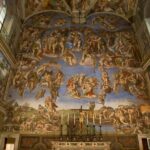
Once the Museums time ends, you shift to the Sistine Chapel for another stretch of about 90 minutes. Right before entry, your guide provides a briefing about the frescoes by Michelangelo, Botticelli, and others.
That pre-brief is not a fluff add-on. In a room where you’ll face huge ceilings and wall cycles, the difference between seeing and understanding can be the difference between wow and “I saw a lot of paint.” Here, you’re primed for what to notice.
Inside the Sistine Chapel, there’s also a clear rule: no talking is allowed. Your guide helps you make sense of that by sharing anecdotes and explanations beforehand—so you’re not left wondering what you’re looking at while you’re stuck in silence mode.
You’ll also hear about the Chapel’s modern role, including the papal election (Conclave)—a reminder that this is not just museum space. It’s an active, living religious site where history still has duties.
The biggest advantage for wheelchair users
The Sistine Chapel can be stressful when you’re navigating large groups and limited movement space. With a guide who knows the best flow and with accessibility-focused planning, you’re more likely to experience the room on your terms—without constantly getting repositioned or feeling rushed.
Accessibility that’s planned, not improvised
The tour is described as wheelchair accessible, and the biggest thing I’d look for is not just that it’s “possible,” but that it’s organized. In the feedback, the guide support is repeatedly praised for knowing the best routes and elevators, which matters because Vatican navigation isn’t intuitive.
This is also one reason this kind of tour can feel smoother than doing it on your own. When you have an expert guiding your path, you waste less energy on detours. That’s especially important in places with changing traffic flow and crowd density.
What you should watch for
- Last-minute closures can happen, and the Sistine Chapel is specifically noted as a place that may close without prior notice.
- If something closes, the tour may not be refunded or rescheduled, and the guide is expected to offer an alternate experience focused on areas inside the Museums.
So think of the plan as strong, but not stamped in stone.
Dress code and other rules that can ruin a day
The dress code is a real gatekeeper here. You need shoulders covered and knees covered for both men and women. That means no shorts and no sleeveless tops, and if you don’t comply you risk being refused entry.
This is one of those “easy to avoid” problems, but it catches people constantly—especially tourists who dress for heat instead of sacred sites.
My practical advice: wear layers you can adapt quickly. Even in June, you might want something light over your shoulders if you’re visiting multiple sites in one day.
Price and value: what $343.05 buys you
At $343.05 per person, this isn’t a budget deal. But in Vatican terms, you’re not just paying for transportation or a ticket. You’re paying for a bundle of advantages that add up:
- Reserved tickets so you bypass long entry lines
- A private guide providing one-on-one attention
- Admission included for both the Museums portion and the Sistine Chapel portion
- Accessibility-focused routing designed to work better with wheelchairs or walkers
If you try to DIY this with limited mobility, the cost shows up in time, energy, and stress. Line waiting plus awkward navigation is exhausting even when you can walk some. When you add the need for elevators and smoother routing, the guide’s value grows.
In other words: you’re paying to keep your day from turning into a physical chore. For the right traveler, that can be worth every euro.
What this tour does and does not include
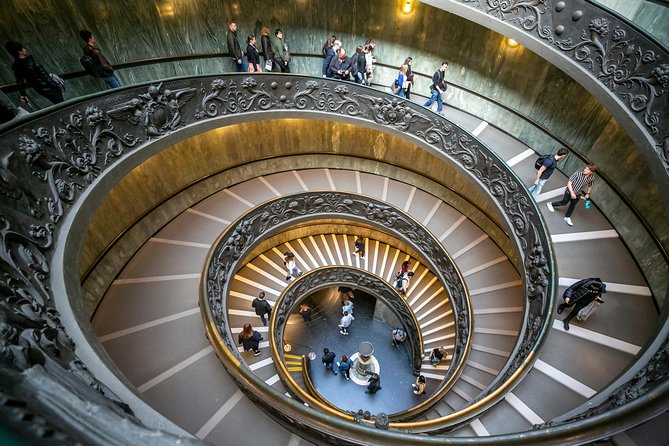
This tour focuses tightly on Vatican Museums and the Sistine Chapel. It does not include St. Peter’s Basilica, and it doesn’t include private transportation.
That can be good news. You get a concentrated experience without the common “too many sites, too little time” feeling. But if you were hoping to roll St. Peter’s into the same outing, you’ll need a separate plan.
Also, you’re told it’s an English tour, with a mobile ticket option. Confirmation comes at booking time, and the meeting point is near public transportation, which helps if you’re arriving from central Rome.
Who should book this wheelchair accessible Vatican Museums and Sistine Chapel tour?
Book it if you:
- use a wheelchair or walker and want a planned route instead of trial-and-error navigation
- want a guide who explains what you’re seeing, not just points and moves you along
- care about skipping long lines, especially for a timed experience that takes about three hours
It may not be your best choice if you:
- want to spend extra time wandering beyond what’s covered in the Museums and Sistine Chapel window
- need a fully flexible plan, because closures can happen last minute, especially involving the Sistine Chapel
A note about the 60 euro entrance charge
If you book this tour and you are not disabled, there’s an additional 60 euro charge at the entrance. If that applies to you, make sure you understand that cost before committing.
Should you book? My straight answer
Yes, you should book this tour if your priority is a smoother Vatican visit with reserved entry and a guide who helps you understand what you’re looking at—especially if you’re navigating with a wheelchair or walker. The format is focused, and the accessibility planning makes the day feel far more manageable.
I’d hesitate only if you’re aiming for full spontaneity or if you can’t tolerate the possibility of last-minute closure changes. In the Vatican, plans can shift. This tour is designed to handle that with an internal museum alternative, but it still won’t come with a refund or reschedule if key areas close.
FAQ
FAQ
How long is the Vatican wheelchair accessible museums and Sistine Chapel tour?
It runs for about 3 hours (approximately), with around 1 hour 30 minutes in the Vatican Museums and about 1 hour 30 minutes in the Sistine Chapel.
What language is the tour offered in?
The tour is offered in English.
Do I get skip-the-line entry?
Yes. The tour includes skip the line tickets / reserved tickets.
Are admission tickets included?
Yes. Admission tickets for the Vatican Museums and the Sistine Chapel are included in the tour.
Is St. Peter’s Basilica included?
No. This tour does not include St. Peter’s Basilica.
Is private transportation included?
No. Private transportation is not included.
What’s the meeting point?
The tour starts at Viale Vaticano, Roma RM, Italy, and ends back at the meeting point.
What dress code do I need to follow?
You must cover your knees and shoulders. No shorts or sleeveless tops. If you don’t comply, you may risk refused entry.
What happens if the Sistine Chapel or other areas close last minute?
Some areas might close without prior notice, especially the Sistine Chapel. In that case, there is no refund or reschedule, and your guide provides an alternative focusing on the Vatican Museums.
Is it wheelchair accessible?
Yes. The tour is described as wheelchair accessible and is designed for mobility needs, including using the best routes and elevators.
If I’m not disabled, will I pay more at the entrance?
Yes. If you book this tour and you are not disabled, you’ll be charged 60 euro at the entrance.