REVIEW · VATICAN CITY
Vatican, Sistine Chapel & St. Peter’s Skip-the-Line Tour
Book on GetYourGuide →Operated by Rome Your Way · Bookable on GetYourGuide
The Vatican can feel less chaotic here. This small-group tour strings together the big Vatican highlights with skip-the-line entry.
I like two things most: the tight route that hits Raphael’s Rooms and the Gallery of Maps efficiently, and the fact that your guide keeps you moving with a clear story instead of wandering.
One thing to consider: the Sistine Chapel is still intense—crowds and noise can make it harder to enjoy in quiet, lingering mode.
In This Review
- Key highlights worth getting excited about
- Where the Tour Starts (and why security shapes your timing)
- Skip-the-line value at the Vatican Museums
- Stop-by-stop: Vatican Museums highlights that actually make sense
- The Gallery of Candelabra: a quick reset before the big rooms
- Gallery of Tapestries: see craftsmanship, not just subject matter
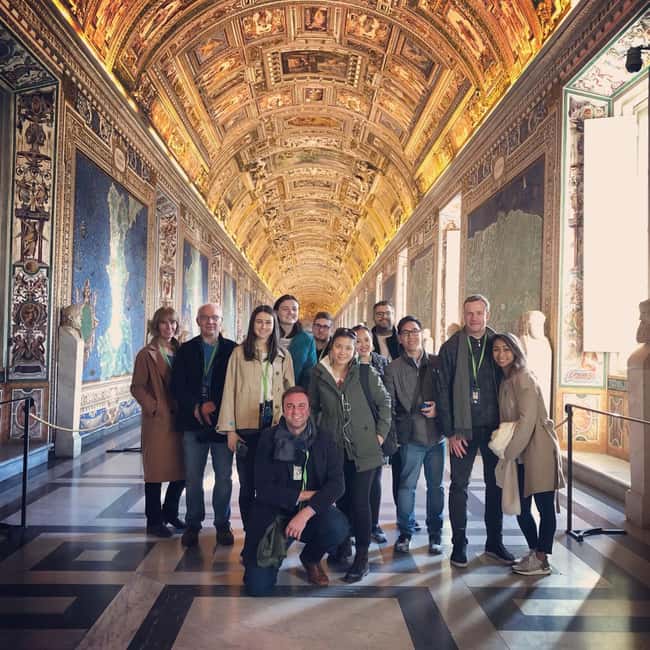
- Gallery of Maps: Rome’s idea of the world, pinned to the wall
- Museo Pio Clementino: sculptures with a sense of theater
- Raphael’s Rooms and what to look for when crowds speed you up
- Pine Courtyard: a “breather” that still tells a story
- Sistine Chapel: the main event, with real rules and real crowd pressure
- What to focus on during your viewing
- St. Peter’s Basilica: you end with the biggest wow-factor in the city
- Headsets, pacing, and why timing can vary by day
- Who this tour suits best (and who should think twice)
- Is $81.85 worth it for this Vatican skip-the-line experience?
- Should you book this Vatican, Sistine Chapel, and St. Peter’s skip-the-line tour?
- FAQ
- How long is the Vatican, Sistine Chapel and St. Peter’s skip-the-line tour?
- Does the tour include skip-the-line entry?
- Where do I meet the guide?
- What’s included in the ticket and guide coverage?
- Are there dress rules for the Vatican Museums and Sistine Chapel?
- What should I bring?
- Is the Sistine Chapel visit always available?
Key highlights worth getting excited about
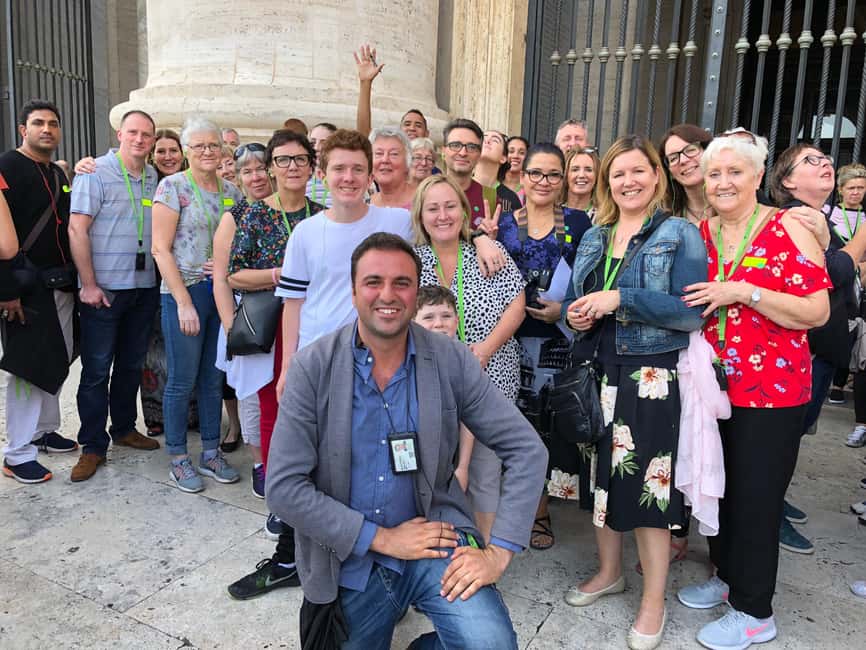
- Small-group size (18 or fewer) helps you keep your footing through the crowd
- Skip-the-line entry saves real time in one of the longest queues in Rome
- Raphael’s Rooms + frescoes are the ideal payoff if you want art with context
- Gallery of Maps and Pine Courtyard show how the Vatican packaged ideas of the world
- Sistine Chapel focus brings you to the main event: Michelangelo’s Last Judgment
- Headsets when needed help you hear your guide through the noise
Where the Tour Starts (and why security shapes your timing)
Before you even step into the Vatican Museums, you have the Rome reality check: airport-style security. Everyone goes through screening, and your outfit matters. You’ll want knees and shoulders covered—no shorts, no short skirts, and no sleeveless shirts. Also, keep it light: no luggage or large bags, no backpacks, and no umbrellas.
The meeting point is at the corner of Viale Giulio Cesare and Via Leone IV, near a flower stand. You’ll take Metro line A to Ottaviano. When you exit, take the second exit on the left, then turn left and keep walking until you hit the corner of Via Leone IV.
This matters because security is part of the experience. If you show up exactly at your start time, it tends to flow smoother. If you arrive late, you’ll just feel stressed while everyone else is settling in.
Other Sistine Chapel tours we've reviewed in Vatican City

Skip-the-line value at the Vatican Museums
This tour’s biggest practical win is the skip-the-line entry. The Vatican is famous for slow-moving crowds, and saving that wait is the difference between feeling overwhelmed and feeling like you’re actually sightseeing.
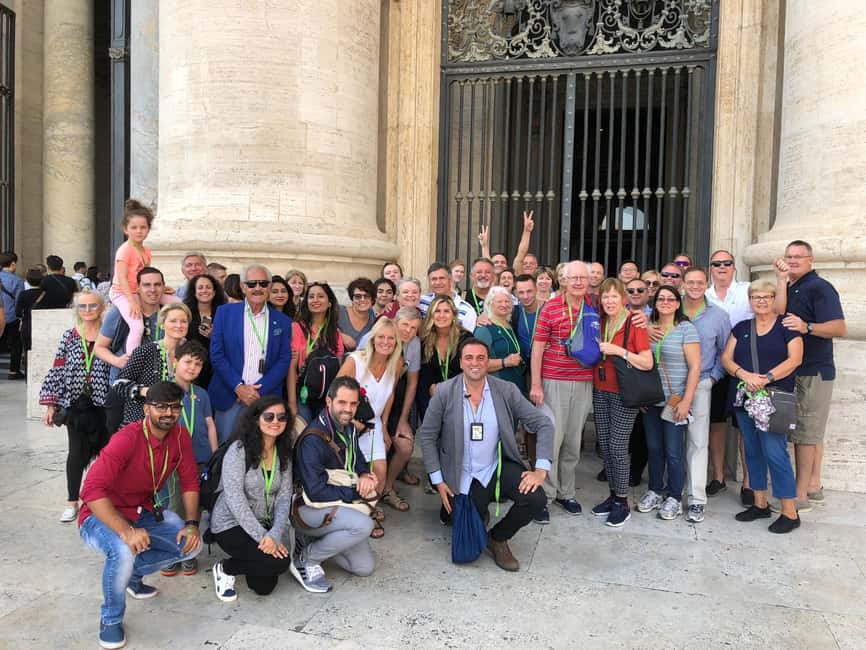
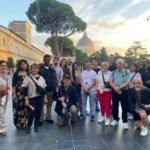
You’re also not doing it with a huge busload. The group is capped at 18 people or fewer, and that size makes a noticeable difference in a place where everyone is trying to move in the same narrow corridors.
Pricing is $81.85 per person for a guided, timed visit. Is it worth it? For me, the math is simple: you’re paying for three things you can’t easily recreate on your own in the same way—(1) getting through faster, (2) having a guide to explain what you’re looking at, and (3) covering the core highlights in about 2.5 to 3 hours.
Stop-by-stop: Vatican Museums highlights that actually make sense
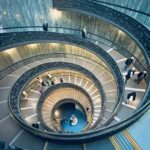
After security, you start walking through the Vatican Museums, which can feel like an endless art warehouse if you’re doing it solo. The trick with this tour is that it gives you a route and a framework: galleries, sculpture rooms, frescoes, tapestries, and classical antiquities—then it tells you what to notice as you go.
The Gallery of Candelabra: a quick reset before the big rooms
One of your first featured stops is the Gallery of the Candelabra. Think of it as a visual warm-up. The space is dramatic, and it helps you shift from line-and-security mode into museum mode. It’s also a good moment to get oriented with the rhythm of the building—how the museum opens up, how crowds funnel, and where your guide will steer you next.
Gallery of Tapestries: see craftsmanship, not just subject matter
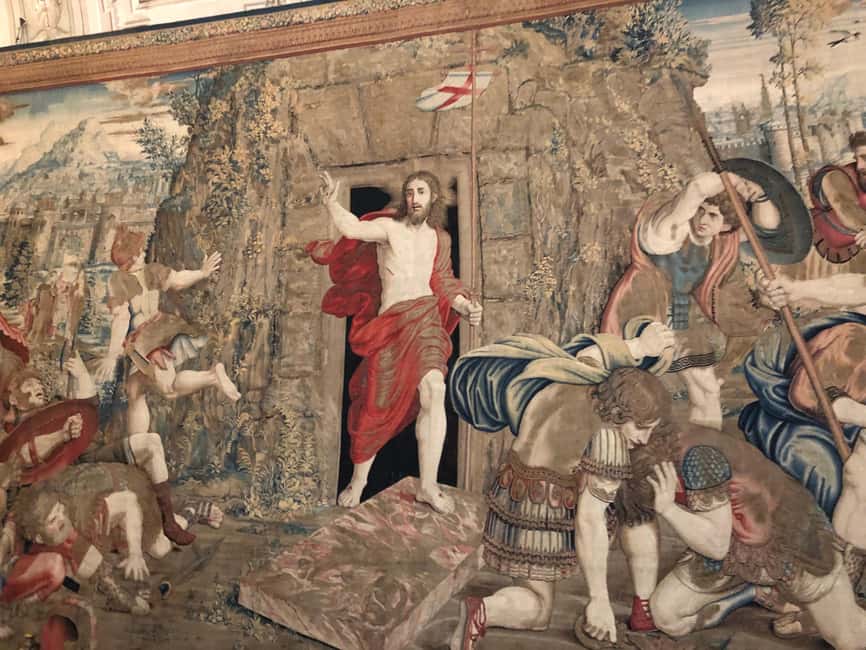
Next is the Gallery of Tapestries. Tapestries can feel like decorative filler if you’re rushing. With a guide, you get a better read on the scale and the labor behind the work—the kind of cloth work that’s basically art you can walk past.
If you’re the type who likes to slow down and look closely, this is one of the places where you’ll appreciate a route that doesn’t skip ahead too fast.
Other skip-the-line Sistine Chapel tickets and tours

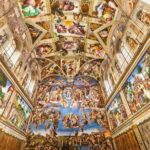
Gallery of Maps: Rome’s idea of the world, pinned to the wall
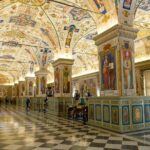
The Gallery of Maps is where you learn the Vatican wasn’t just collecting art—it was collecting ideas about geography and power. You’ll stroll through depictions of the world as they were understood across time, which turns a gallery of images into a story about how people mapped belief, territory, and imagination.
If you like context, this is a standout. It’s not just what’s shown, it’s why it was shown.
Museo Pio Clementino: sculptures with a sense of theater
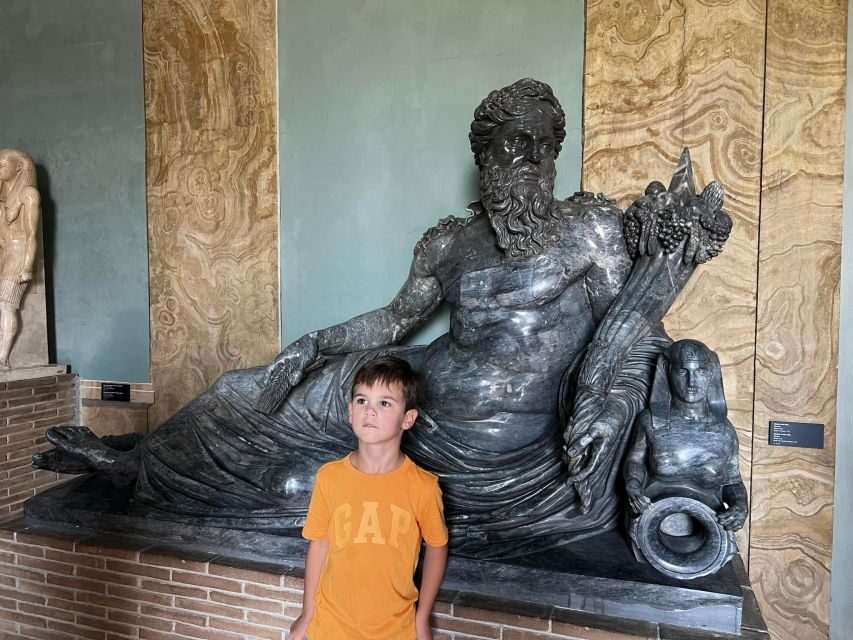
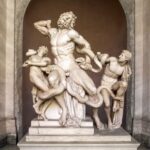
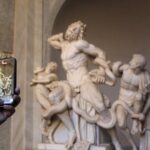
Then you move into the Museo Pio Clementino, home to important classical pieces and some major sculpture displays. This stop matters because it changes the pace. After long stretches of paintings and wall art, sculpture gives you a different kind of impact—volume, pose, and light.
If you’ve ever felt museum fatigue, you’ll likely find this is where your eyes recharge.
Raphael’s Rooms and what to look for when crowds speed you up
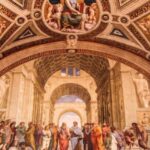
One of the tour’s signature highlights is Raphael’s Rooms. You’ll see frescoes by Raphael, and this is the moment many people actually come for: Renaissance art in a space built to show off the ideas of the period.
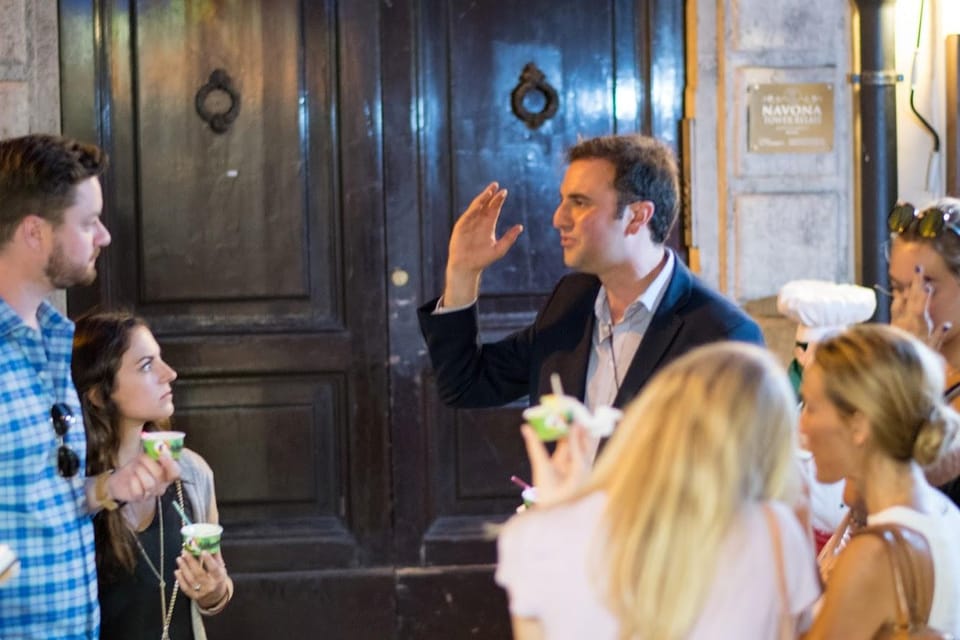
Here’s how to make this stop work for you. Don’t try to take in every square inch. Instead, watch for the composition choices the guide points out—how scenes are organized, how figures relate, and how painting style changes across rooms. With the group size kept relatively small, you should get enough time to see what matters without feeling like you’re sprinting blindly.
Also, if you’ve heard the phrase art overload, this is where it tends to hit. Your best move is to let your guide’s pacing do the work. The guide is there to stop you from getting stuck on the wrong detail while missing the bigger picture.
Pine Courtyard: a “breather” that still tells a story
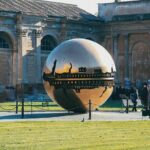
You’ll pass through the Pine Courtyard, including the Pinecone Courtyard. This stop is useful because it breaks up the interior museum feel. It also adds a layer to what you’re seeing: the Vatican didn’t design the experience as one long hallway of art. It includes open spaces where the building itself becomes part of the sightseeing.
If you’re traveling in warmer months, these outdoor moments can feel like a reset. Just don’t expect them to be a full rest stop—your guide will keep you moving.
Sistine Chapel: the main event, with real rules and real crowd pressure
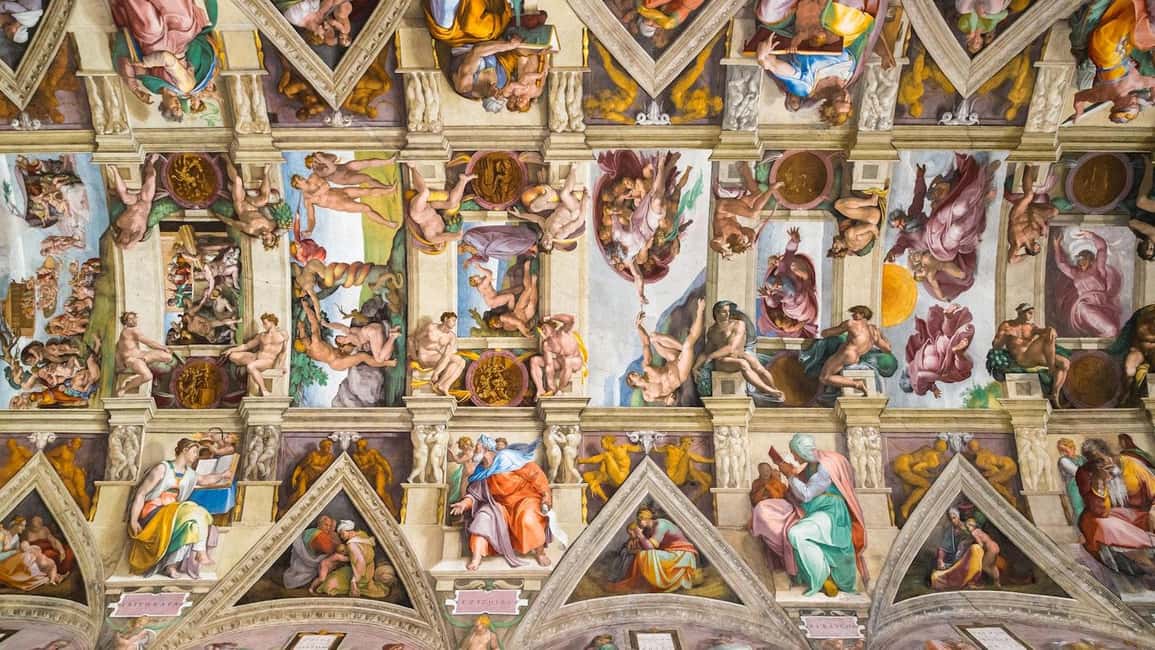
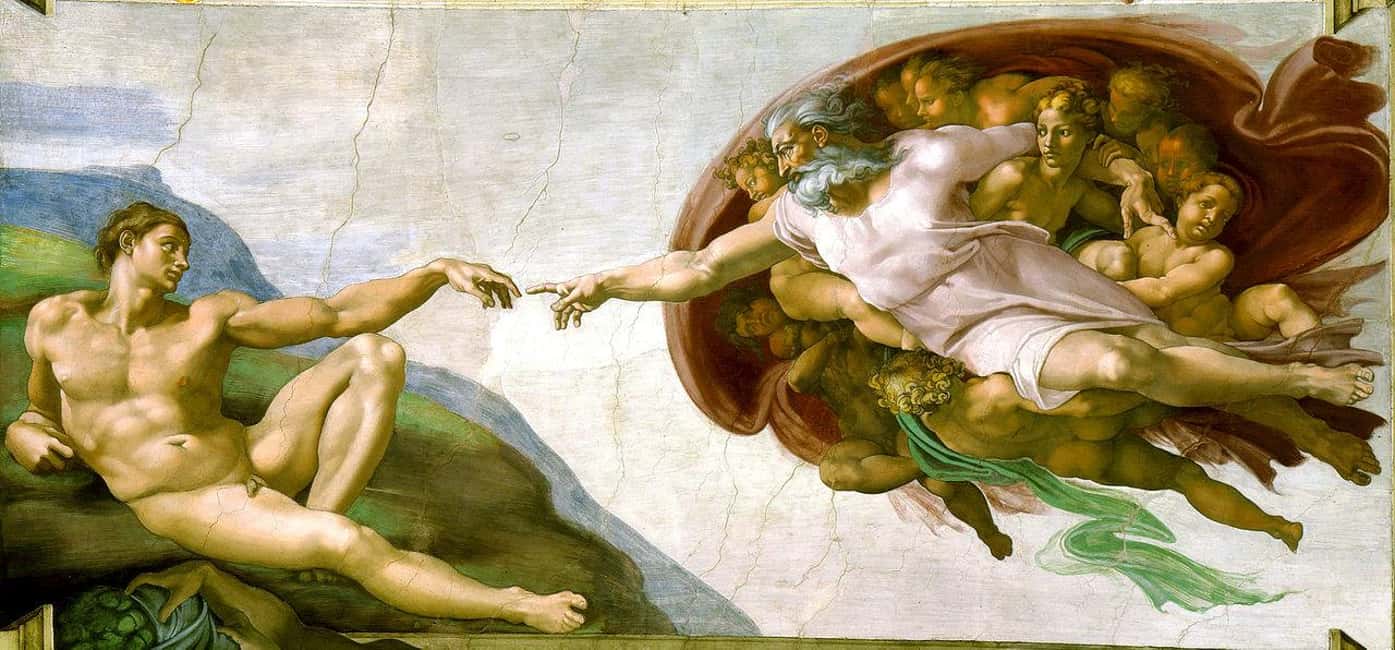
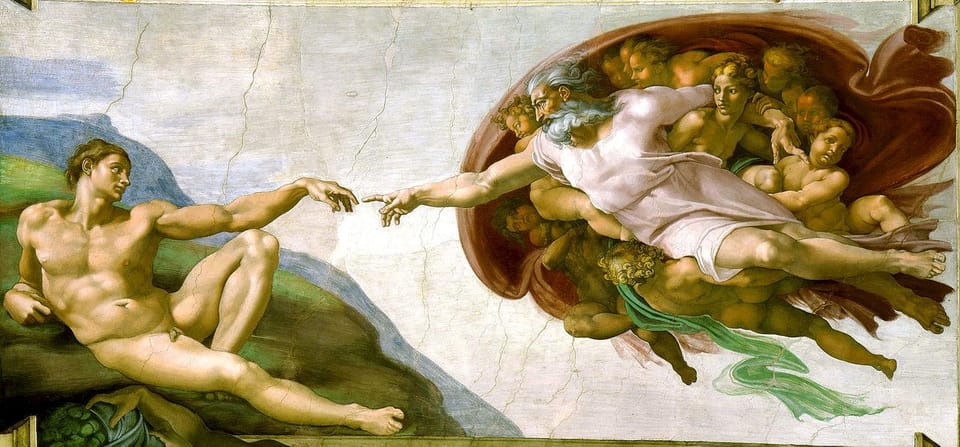
Sistine Chapel access is the reason many people book. This tour includes the Sistine Chapel visit, with a focus on Michelangelo’s world-famous frescoes, including The Last Judgment and The Creation of Adam.
Two things to know so you’re not surprised:
- The Sistine Chapel is strict about dress. The same rule you follow for security—covered knees and shoulders—applies here too.
- It’s not a quiet chapel experience by default. Even with a guide’s best efforts, the building is designed for awe, and the crowd energy can be loud.
Timing matters as well. The Sistine Chapel closes on April 28, 2025, and stays closed until a new pope is elected, expected by mid-May. If you’re traveling around that window, you’ll want to double-check whether your dates still include full access to the chapel.
What to focus on during your viewing
You’ll likely feel pulled in every direction—ceiling, walls, figures, symbolism. My advice is to pick a starting point and work outward:
- If you’re drawn to drama, start with The Last Judgment.
- If you want a more iconic, quick win, aim first for The Creation of Adam.
- Let your guide’s cues anchor the rest, so the chapel doesn’t turn into a blur.
St. Peter’s Basilica: you end with the biggest wow-factor in the city
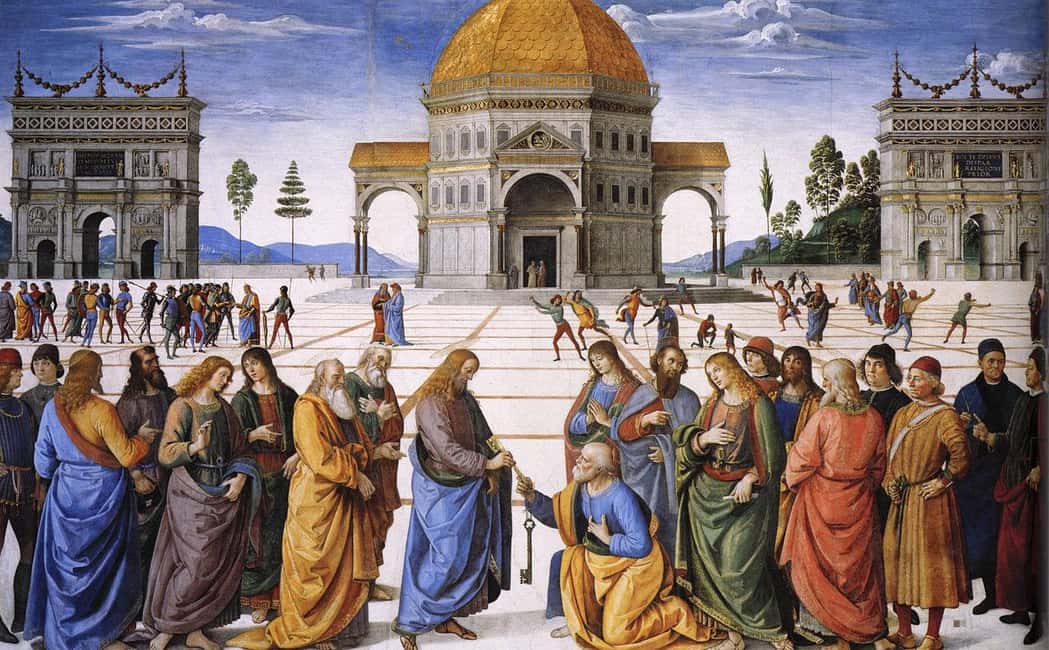
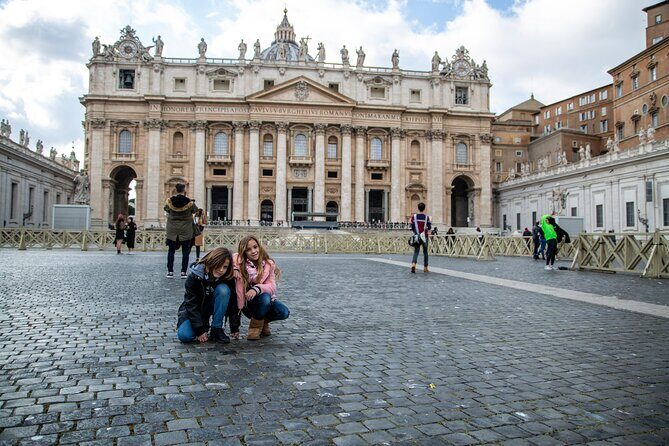
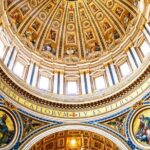
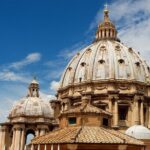
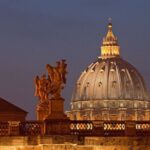
After the museums, your route brings you to St. Peter’s Basilica. The basilica is different from the museum halls. You’re no longer looking at a curated sequence of artworks; you’re stepping into a living, sacred space with scale that can feel almost unreal.
This stop works well at the end because it’s a reward. You’ve spent hours absorbing art and stories. Then the basilica changes your sense of time and space.
Headsets, pacing, and why timing can vary by day
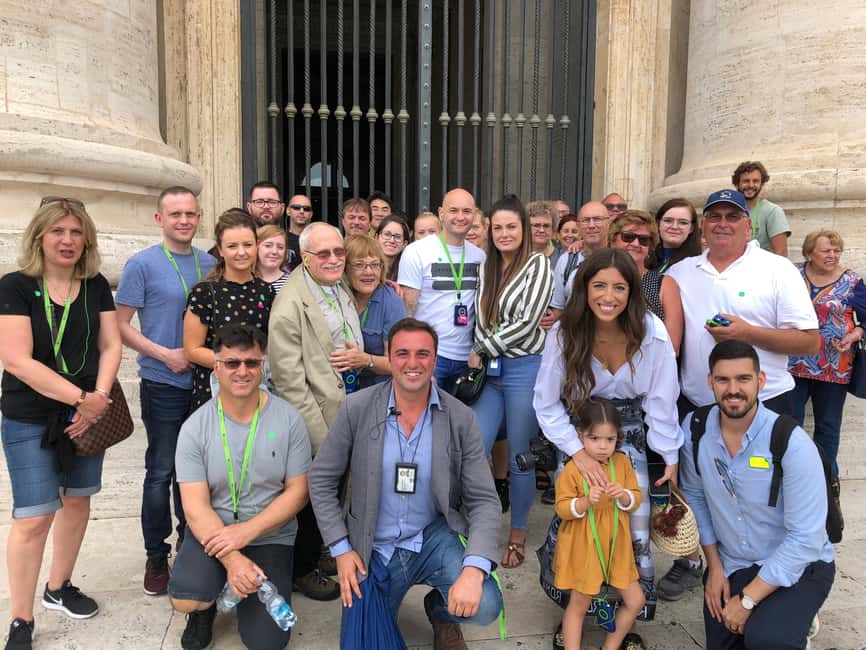
The tour includes headsets when needed, which helps in a loud, crowded museum environment. One small drawback I saw in feedback: headsets can sometimes be fiddly and may slip off. If you know you’ll be adjusting anything while you walk, be prepared for quick interruptions.
Duration is listed as 2.5–3 hours, but in practice it can stretch. If crowds slow things down, your guide may keep moving carefully rather than rushing you through key areas.
A good guide makes this feel smooth. In feedback, guides were praised for pacing that didn’t feel rushed and for handling disruptions—like working through technical issues with the provided equipment.
Who this tour suits best (and who should think twice)
This is a smart match if:
- You want the core Vatican highlights without getting stuck in ticket lines or map-reading.
- You care about context, not just photos.
- You prefer a smaller group where you can actually hear your guide and stay together.
It may be less ideal if:
- You need wheelchair accessibility (this tour is not wheelchair accessible).
- You’re not willing to follow strict dress rules.
- You hate tight schedules and would rather spend the whole day wandering slowly.
If you’re traveling with a wider age range, it can still work well because the group size helps with crowd control. Still, it’s a lot of walking, so plan on comfortable shoes.
Is $81.85 worth it for this Vatican skip-the-line experience?
For $81.85 per person, you’re paying for a guided route that hits the big rooms people actually come to see: the Vatican Museums highlights, Raphael’s Rooms, the Pine Courtyard, the Gallery of Maps, and the Sistine Chapel, plus St. Peter’s Basilica.
If you’re the type who would otherwise spend extra time figuring out queues, timing tickets, and deciding what to skip, this package usually makes sense. The value is in the reduction of friction: you avoid the most painful part (the lines), and you don’t waste time guessing what’s most important inside.
If you’re traveling on a tight budget and you’re comfortable navigating the Vatican on your own, you could spend less on tickets alone. But you’ll trade away the guided structure, and the Vatican tends to eat time when you don’t have a plan.
Should you book this Vatican, Sistine Chapel, and St. Peter’s skip-the-line tour?
Book it if you want a guided highlight circuit that keeps you from drowning in the Vatican’s scale. It’s especially appealing if you’re short on time and you want the route to include the real anchor stops: Raphael’s Rooms, the Gallery of Maps, and the Sistine Chapel.
Skip it (or check dates closely) if your travel lines up with the Sistine Chapel closure window around late April 2025, or if you can’t handle strict dress rules and security screening. Also, if you’re expecting a totally quiet Sistine Chapel moment, adjust your expectations—this place runs on crowd energy.
If you’re on the fence, I’d lean yes: this is one of those Rome experiences where paying for a guide is less about luxury and more about getting to the good stuff without wasting your day.
FAQ
How long is the Vatican, Sistine Chapel and St. Peter’s skip-the-line tour?
The duration is listed as 2.5 to 3 hours. Starting times depend on availability.
Does the tour include skip-the-line entry?
Yes. Skip-the-line entry is included, along with guided access to the Vatican Museums and the Sistine Chapel.
Where do I meet the guide?
Meet at the corner of Viale Giulio Cesare and Via Leone IV next to the flower stand. Take Metro line A to Ottaviano station, then use the second exit on the left, turn left, and continue until you reach the corner of Via Leone IV.
What’s included in the ticket and guide coverage?
You get a professional guide, skip-the-line entry, ticket entry to the Vatican Museums and Sistine Chapel, and headsets when needed.
Are there dress rules for the Vatican Museums and Sistine Chapel?
Yes. Knees and shoulders must be covered. Shorts, short skirts, and sleeveless shirts are not allowed.
What should I bring?
Bring a passport or ID card.
Is the Sistine Chapel visit always available?
The Sistine Chapel is listed as closed from April 28, 2025, and it is expected to reopen after a new pope is elected, which is expected by mid-May.