REVIEW · VATICAN CITY
Rome: Vatican Pass plus Top Attractions and Transport
Book on Viator →Operated by Go City | Rome · Bookable on Viator
Rome’s big queues are the real test. This combo pass pairs Vatican fast-track entry with free picks in ancient Rome and handy transit. You get a lot of flexibility packed into a short window: use it over 72 hours after first redemption, and jump between sites with included transport.
What I like most is the value stacking: Sistine Chapel/Vatican Museums access with fast-track, plus a Rome travel card for buses and metro, and a 3-day hop-on hop-off bus that drops you near major sights. The other strong win is how many museums you can add at discounted entry, so a “we’ll see a few things” plan turns into a full, varied Rome weekend.
The main thing to consider: this is not a set-and-forget tour. You still have to handle voucher-to-pass redemption and reservations for popular sights, and the hop-on hop-off bus is useful but not always perfectly timed.
In This Review
- Key takeaways before you buy
- What you really get: one pass, two cities (Vatican + Rome)
- Vatican Museums and Sistine Chapel: the real time-saver
- St. John Lateran: the quieter Vatican-adjacent win
- Ancient Rome with Roma Pass: Forum + Palatine are a time machine
- Choosing your second free Rome attraction: Borghese, Capitoline, Castel Sant’Angelo, or Museum of Rome
- Galleria Borghese: spectacular, but don’t wing it
- Capitoline Museums: art and archaeology on Capitoline Hill
- Castel Sant’Angelo: fortress meets mausoleum
- Museum of Rome (Palazzo Braschi): a smart alternative to yet another big ancient site
- Discounted museum time: how to use the “more than 30 sights” advantage
- Hop-on hop-off bus: a great overview, with real-world limits
- Rome travel card: use it like a local, not like a souvenir
- Price and value: when this bundle is a win
- When it’s a good value
- When value drops
- Getting your pass started: protect your first morning
- Who should buy this?
- Should you book it?
- FAQ
- How long are the OMNIA Vatican Card and Roma Pass valid?
- Does this include fast-track entry for the Vatican?
- Which Vatican sites are included?
- Can I choose which Rome attractions are free?
- Do I need reservations for major sites like the Colosseum or Borghese?
- Is the hop-on hop-off bus included?
- Is there public transport included in the pass?
Key takeaways before you buy
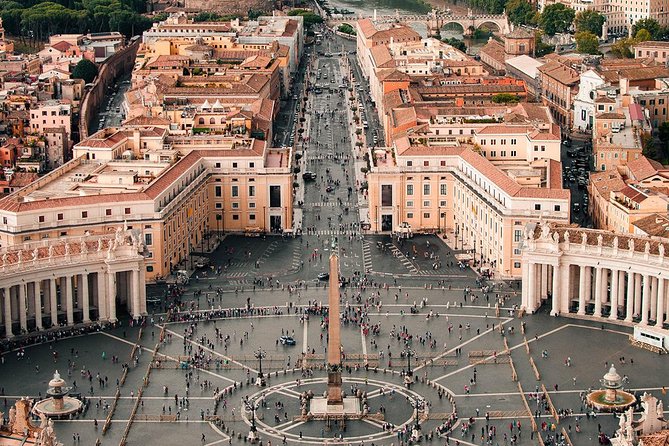
- Vatican time-saver: fast-track entry is built for St. Peter’s Basilica and the Vatican Museums, so you’re less likely to lose hours in general lines.
- Two free Rome entries: the Roma Pass gives general admission to two attractions you choose, with many other sights discounted.
- 72-hour sprint: both cards are valid for 72 hours starting with your first use, which rewards good planning.
- Borghese requires a real reservation: Galleria Borghese needs pre-booking, and it’s best to do it well in advance.
- Transit is actually part of the deal: unlimited buses and metro trains are included, plus hop-on hop-off sightseeing.
- Logistics can steal time: redemption points, app/QR steps, and reservation access can be confusing if you arrive late or under-prepared.
What you really get: one pass, two cities (Vatican + Rome)
This experience is sold as an OMNIA Vatican Card + Roma Pass bundle, and the whole point is speed and convenience. You redeem your voucher at a redemption center, then both cards run for 72 hours from the moment you start using them.
The backbone of the value is simple:
- Vatican access: fast-track entry for St. Peter’s Basilica and the Vatican Museums (so you’re not just stuck behind everyone buying general admission).
- Rome access: pick two attractions for free with the Roma Pass, then use discounted entry for a long list of museums and sights.
- Transit + orientation: a travel card for unlimited public transport on buses and metro trains, plus a 3-day hop-on hop-off bus with lots of stops (including major anchors like the Colosseum and St. Peter’s).
In practice, this is best for travelers who want to move fast, hop around, and say yes to extra museums when the timing works out.
If you're still narrowing it down, here are other tours in Vatican City we've reviewed.

Vatican Museums and Sistine Chapel: the real time-saver
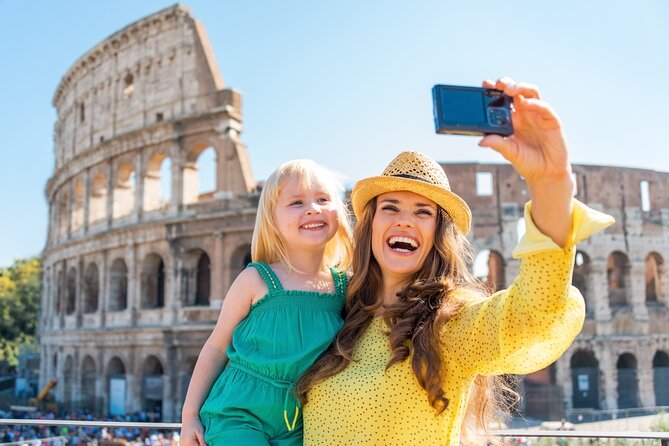
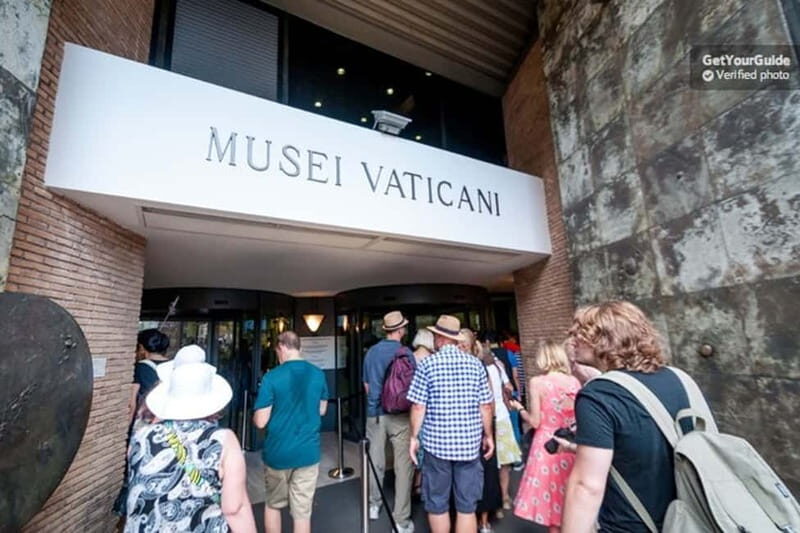
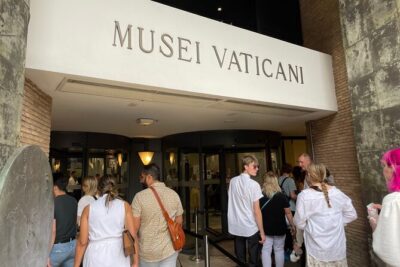
Your Vatican start is the Sistine Chapel followed by the Vatican Museums. You’ll get admission included for both stops, and the pass is designed to keep you out of the slowest general admission line chaos.
Here’s the practical upside: with the Vatican, the bottleneck is usually the queue. Fast-track entry doesn’t remove crowds—it just helps you arrive at the real challenge faster: actually seeing the art before your feet revolt.
Sistine Chapel (about 2 hours at the start): This is the part that most people picture from photos, and it’s still impressive in real life. The key is to go in with a plan for how long you’ll let yourself get lost. The chapel can feel like information overload if you rush, but it’s equally disappointing if you try to do it in a hurry between other obligations.
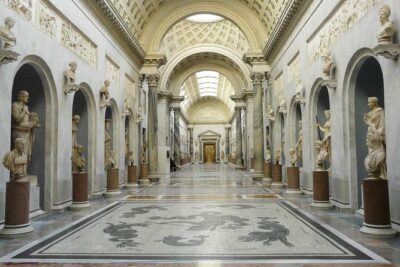
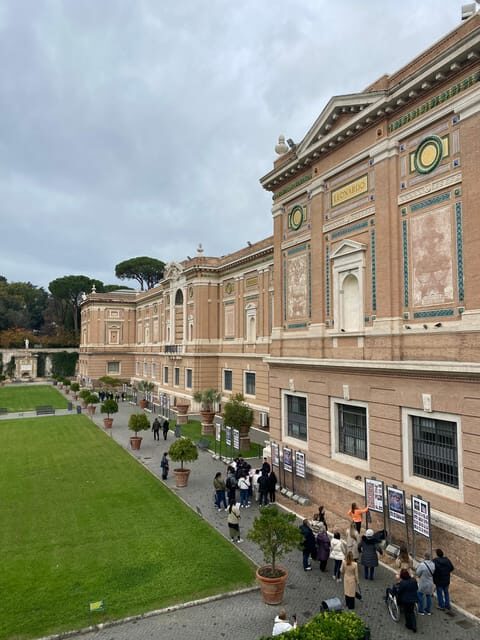
Vatican Museums (about 3 hours): Think of it as a huge museum complex where the “one masterpiece” mindset doesn’t work. The variety is the point: papal history, major collections, and the kind of scale that makes you understand why people underestimate time here.
One useful detail: Omnia Pass holders can redeem a free audio-guide worth €10 by showing the pass at the entrance. If you like to walk with context instead of just images, this is a smart add-on.
Real-world caution: some reviews note cases where “skip-the-line” expectations didn’t match the experience. My advice is to treat this as fast-track when the system is working smoothly and you’ve got your reservations and redemption steps right. Build time buffers.
St. John Lateran: the quieter Vatican-adjacent win

Not everything here is about the Vatican bubble. Your itinerary includes Basilica of San Giovanni in Laterano, which is the official ecclesiastical seat of the Pope and is described as the oldest and most important church in Rome, built in 324 AD.
This stop is a nice course-correction because it gives you a different kind of wow:
- You get architectural and religious symbolism that’s older than the Vatican brand.
- The adjacent Cloister is described like an oasis for meditative prayer—meaning it’s a chance to slow down.
- The highlights also call out specific wow-factors you can spot: Cosmatesque interior design, a baroque façade, Holy Steps (Scala Sancta), and a 14th-century Gothic baldacchino.
If you’ve already felt museum-fatigued, this church stop can feel like a relief while still being meaningful.
Ancient Rome with Roma Pass: Forum + Palatine are a time machine
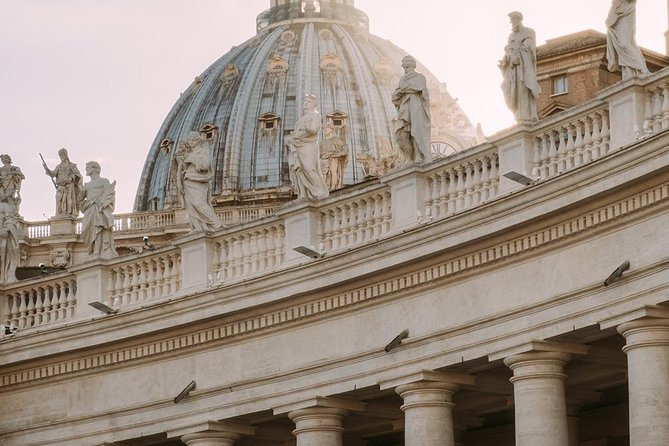
Rome’s ancient core can be confusing if you don’t know where you are. The Roma Pass includes general admission to two attractions you choose, and the itinerary includes Foro Romano and Palatine Hill as featured stops.
Foro Romano (about 2 hours): you’re stepping into a ruin-and-street world where the description is spot-on: a collection of ruins and historic buildings that once formed a busy market place. You’ll be surrounded by iconic pillars and churches tucked into cobbled, ancient lanes—so it’s more like wandering through layers than “looking at a single monument.”
Palatine Hill (about 2 hours): this pairs naturally with the Forum because they interlock geographically and historically. If you want the classic “this is where the story began” feeling, this combo works.
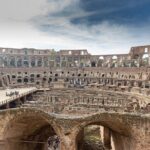
Important reservation note: the pass materials say that top headline sites like the Colosseum and related major areas require reservations (with specific guidance on your voucher). The key: don’t assume entry is automatic. For the biggest names, the “queue time” is often replaced by “reservation time” and sold-out slots.
Choosing your second free Rome attraction: Borghese, Capitoline, Castel Sant’Angelo, or Museum of Rome
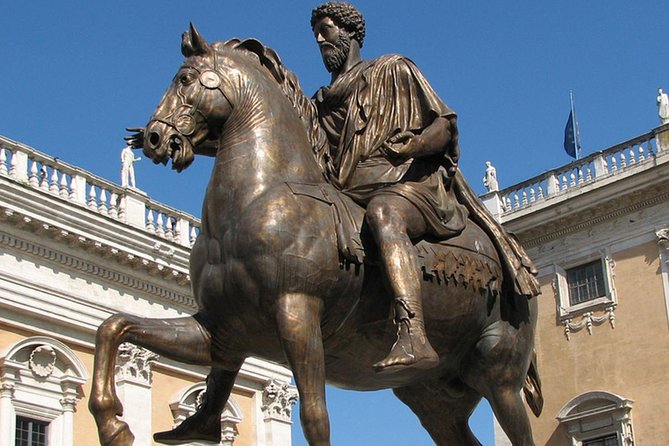
Your Roma Pass gives general admission to two attractions selected from a list. The bundle also includes discounted entry to many more sights, so picking your free pair matters most for planning.
Here are the standouts you can build around:



Galleria Borghese: spectacular, but don’t wing it
Galleria Borghese is mandatory pre-reservation, and the materials say it’s highly recommended to book at least 10 days in advance. You can make a reservation even if you don’t yet have the Roma Pass card, as long as you provide the Roma Pass holder’s name.
If you love high-quality collections and indoor art viewing, Borghese is often worth the scheduling stress. But if you’re flexible or arrive late, it’s also the easiest way to lose value.
Capitoline Museums: art and archaeology on Capitoline Hill
This is included in the itinerary and described as a set of museums across three historic buildings plus a piazza designed by Michelangelo. Highlights listed include the Capitoline She-wolf, Hall of Tapestries, a Chapel, and an architectural courtyard.
Castel Sant’Angelo: fortress meets mausoleum
Castel Sant’Angelo is included with admission and is described as an ancient fortress and mausoleum on the River Tiber. You can see the Hall of Urns containing Hadrian’s ashes—one of those details that makes a building feel personal instead of just scenic.
Museum of Rome (Palazzo Braschi): a smart alternative to yet another big ancient site
Museum of Rome is included and described as a baroque Palazzo Braschi with an eclectic sweep from medieval to mid-20th century. It’s a good pick if you want Roman life beyond ruins: you’ll find frescoes, ceramics, costumes and fabrics, and paintings from the 17th–20th century, plus furniture and carriages.
My practical advice: if your schedule is tight and you care about indoor masterpieces, prioritize the thing you can’t easily see later without planning—usually Borghese.
Discounted museum time: how to use the “more than 30 sights” advantage
After your two free Roma Pass entries, you can add a lot through discounted entry. Your itinerary lists a long line of included-discount options, including:
- Museo della Civiltà Romana
- Museo Nazionale Etrusco di Villa Giulia
- Museo di Roma – Palazzo Braschi
- Museo Pietro Canonica
- Museo Nazionale del Palazzo di Venezia
- Centrale Montemartini
- Museo della Repubblica Romana e della Memoria Garibaldina
- Museo Nazionale d’Arte Orientale Giuseppe Tucci
- Galleria Nazionale d’Arte Moderna e Contemporanea
- Museo Napoleonico
- Parco Archeologico di Ostia Antica
- Appian Way (Via Appia Antica)
Here’s how to make this work without turning your feet into sandpaper:
- Pick one “anchor” per half-day: one big museum or one ancient area.
- Leave space for the unexpected find. A discounted ticket means you can say yes when the timing lines up.
One warning from the pace reality: Rome can be hot and museums can be dense. Some people end up walking a lot even with transport, so I strongly recommend you cluster days by theme and area—especially if you’re trying to hit both Vatican and ancient sights in one weekend.
Hop-on hop-off bus: a great overview, with real-world limits
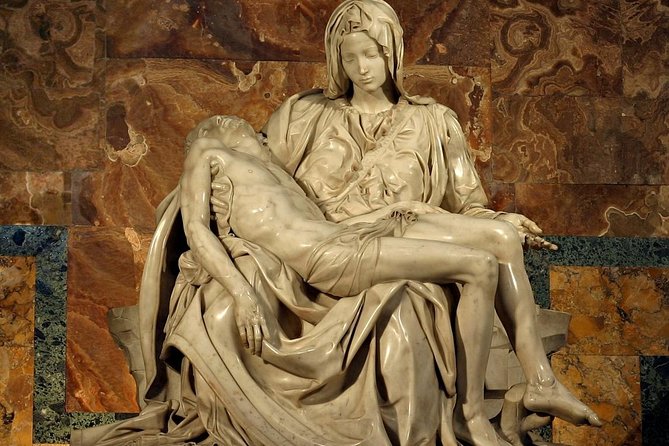
The hop-on hop-off component is a big part of why this bundle works for short stays. It includes dozens of stops, including major sights like the Colosseum and St. Peter’s Basilica.
What I like about this style of bus:
- It’s an easy way to build a mental map fast.
- If your walking is limited or you just want to conserve energy, it can help you get where you need to be.
But the bus is not a guarantee. Some reviews describe irregular frequency, long waits, confusing stops, and audio issues (including long silent stretches or headsets that weren’t delivering useful site talk). Others found it helpful once it was running.
So here’s the practical way to use it:
- Treat the bus as support, not your only plan.
- When you plan reservations, don’t rely on the bus being perfectly timed.
- If you miss a connection, switch quickly to metro/bus routes using your included travel card.
Rome travel card: use it like a local, not like a souvenir
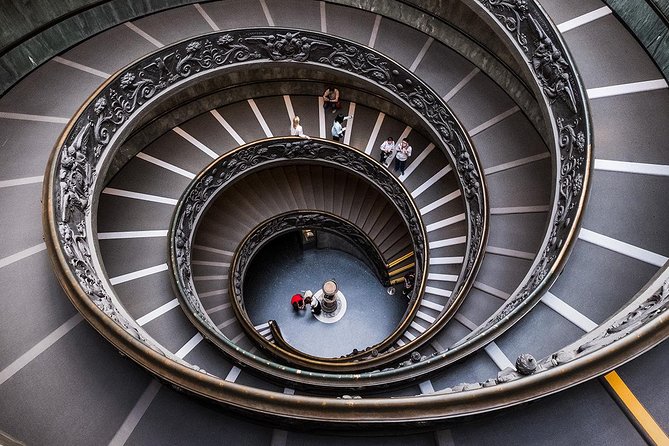
The pass includes an unlimited travel card for public transport, including buses and metro trains. This is one of the cleanest “value multipliers” because it lowers the friction of moving between sights.
You’ll also get the useful guidebook and map included, which can help with station-to-sight navigation while you’re figuring out the city.
A practical tip: public transport is fast, but bus and metro stop areas can get chaotic. Make sure you know your stop name and what exit or landmark it connects to before you roll the dice.
Also note a mismatch that comes up in real travel: some people interpret “train” differently. Your pass materials specifically mention metro trains and buses, so if you’re planning anything outside that (regional rail, for example), check separately.
Price and value: when this bundle is a win
At $179.24 per person for a 3-day-style combo, the deal can be strong or weak depending on one thing: do you actually use the big-ticket entries you’re buying time for?
When it’s a good value
It tends to pay off if you:
- Want the Vatican Museums/Sistine Chapel without spending half your day in general queues.
- Plan at least one major Rome ancient attraction from the Roma Pass free options.
- Will use public transport daily and want the hop-on hop-off bus to orient yourself.
When value drops
It’s less compelling when:
- Your second major attraction needs a reservation you can’t get (Borghese can be especially tough if you’re late).
- You end up paying extra for a sight because the reservation isn’t available.
- Redemption and setup eat your first day, especially if you have to exchange vouchers to activate the right card format or QR steps.
If you’re the type who loves late spontaneity and hates scheduling, you might be happier buying tickets directly for a couple of core sights and using only a standard transit pass.
Getting your pass started: protect your first morning
This pass lives and dies by your first steps: redeem your voucher at a redemption center and make sure everything is ready before peak hours.
A few practical points to keep you from losing time:
- Budget time to find the redemption center. Multiple people described pick-up locations as hard to locate or requiring extra wandering.
- Double-check that you’re ready to use the pass right away (some travelers describe confusion around bar codes/QR steps and voucher exchanges).
- Plan your outfit for Vatican entry. One account mentions needing to buy trousers after learning about Vatican dress expectations during ticket collection. Even if you don’t know the exact rule, bring a backup layer so you can adapt fast.
Also, the redemption/activity hours shown are 9:00 AM–6:00 PM every day. If you try to start late, you’ll rush. Don’t rush.
Who should buy this?
This is a strong fit for:
- First-time Rome visitors who want Vatican + ancient Rome in a short window.
- People who like to bounce between indoor museums and outdoor ruins without re-planning transit each time.
- Travelers who appreciate a time-saver for the Vatican and like to add extra museum stops when they’re nearby.
It’s a weaker fit for:
- Anyone who hates reservation systems or would rather wing it at the ticket counter.
- Travelers who know they’ll only visit one or two sights total and don’t want to manage the pass setup.
If you’re traveling in a small group (this activity notes a maximum of 15 travelers), you’ll likely feel the process is easier than on huge group tours—but the scheduling piece still matters.
Should you book it?
I’d book this if your must-do list includes the Vatican Museums/Sistine Chapel experience and you’re willing to handle reservations for your second Rome highlight. The combination of Vatican fast-track, two free Roma Pass entries, and a real transit card is exactly what helps a 3-day Rome trip feel complete.
I’d skip it if you want minimal planning, can’t or won’t pre-reserve for big sites like Borghese, or if you’re worried that redemption steps and app/QR activation will stress you out. In that case, you may get a better result by buying only the tickets you’re confident you can use and relying on metro/bus passes you set up yourself.
FAQ
How long are the OMNIA Vatican Card and Roma Pass valid?
Both cards are valid for 72 hours starting from the time of your first use.
Does this include fast-track entry for the Vatican?
Yes. The OMNIA Card includes fast-track entry to St. Peter’s Basilica and the Vatican Museums, helping you avoid the general admission queue.
Which Vatican sites are included?
Your plan includes Sistine Chapel and Vatican Museums with admission included, and it also highlights St. John Lateran as part of the Vatican-focused set of stops.
Can I choose which Rome attractions are free?
Yes. The Roma Pass provides general admission to two attractions of your choice from the listed options (such as Colosseum/Roman Forum/Palatine, Capitoline Museums, Castel Sant’Angelo, or Museum of Rome).
Do I need reservations for major sites like the Colosseum or Borghese?
Yes. The materials say reservations are required for several top attractions, and Galleria Borghese pre-reservation is mandatory.
Is the hop-on hop-off bus included?
Yes. A 3-day hop-on hop-off Rome open bus ticket is included.
Is there public transport included in the pass?
Yes. Your Rome Pass includes a travel card for unlimited travel on public transport in Rome, including buses and metro trains.