REVIEW · ROME
Rome: Vatican Museums and Sistine Chapel Skip-the-Line Entry
Book on GetYourGuide →Operated by Rome Vatican City · Bookable on GetYourGuide
Skip-the-line changes everything at the Vatican. This ticket lets you jump past the usual crush and step straight into one of Rome’s biggest art worlds, with time to hit the Vatican Museums and Sistine Chapel. You get a structured entry flow, but you’re still free to move at your own pace inside.
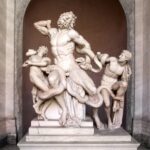
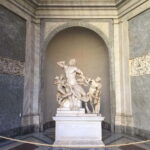
I like how fast you can get started thanks to the skip-the-line entry ticket. I also love that the route naturally funnels you toward the big headline moments like Raphael Rooms and Michelangelo’s ceiling, plus standouts such as the Laocoön and His Sons and the Belvedere Torso. The main drawback: it’s not a guided tour, and the crowds can limit how long you can truly linger.
In This Review
- Key things that make this visit work
- Why Skip-the-Line Entry Matters More Here Than Elsewhere
- Your 2–3 Hour Plan: What to See First (So You Don’t Miss the Best Stuff)
- Vatican Museums Highlights: Sculptures, Raphael Rooms, and the Big Names
- Classical sculpture: Laocoön and the Belvedere Torso
- Raphael’s Rooms: frescoes that reward close looking
- Bernini, Raphael, and the Vatican’s Renaissance brain
- Gallery of Maps and Gallery of Tapestries: When the Vatican Gets Strange in a Good Way
- Gallery of Maps: history you can read with your eyes
- Gallery of Tapestries: visual storytelling in fabric form
- Sistine Chapel: What to Focus on When Crowds Compress Your Time
- Dress Code, ID, and What to Leave at Home (This Is Where Trips Get Stuck)
- Dress code: shoulders and knees covered
- Bring ID
- What’s not allowed
- Stamina and logistics
- Meeting Point, WhatsApp Instructions, and Getting In Smoothly
- Who This Ticket Fits Best (And Who Should Rethink It)
- Should You Book This Skip-the-Line Vatican Entry?
- FAQ
- Is this experience a guided tour?
- How long does the Vatican Museums and Sistine Chapel experience take?
- What’s included in the price?
- Where do I meet for entry?
- What do I need to bring?
- What is the dress code?
- Are backpacks or drinks allowed?
- Is it suitable for wheelchair users or babies?
- What is the cancellation policy?
- What language is the host or greeter?
Key things that make this visit work
- Skip-the-line entry: you should spend less time stuck in queues and more time looking.
- No guided tour: you can move on your own and stop wherever your eye lands.
- Raphael’s Rooms and Sistine highlights: the experience is built around the Vatican’s strongest Renaissance hits.
- Gallery time that feels different: historic maps and Flemish-style tapestry displays give variety beyond paintings and statues.
- WhatsApp communication: instructions are sent to your phone, and tickets arrive via PDF message ahead of time in many cases.
- Simple duration: plan for roughly 2–3 hours, not an all-day art crawl.
Why Skip-the-Line Entry Matters More Here Than Elsewhere
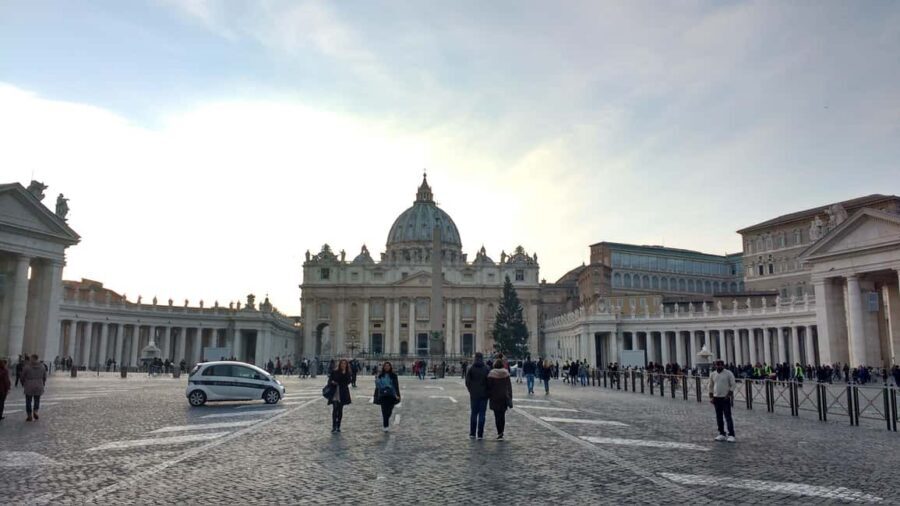
The Vatican isn’t just famous. It’s famous and packed. Without a timed, reserved entry setup, you can burn a chunk of your day just standing in line, watching other people get through while you don’t. This ticket is built specifically to cut that waiting down.
What you get is straightforward: a skip-the-line entry ticket and an English-speaking host or greeter to help you find your way at the start. After that, you’re on your own inside. That matters because the Vatican is huge and you can easily get swept into low-priority detours. The value of the skip-the-line piece is that it buys you time for the highlights without turning your visit into queue management.
At $66 per person, it’s not a budget add-on, but it also isn’t just paying for paperwork. You’re paying to protect your time. With this kind of site, time is the real currency. If you arrive when crowds spike, the line you skip can easily be the difference between seeing the ceiling properly and feeling rushed through it.
One more point: skip-the-line entry doesn’t remove the fact that the museums are busy. You’ll still feel crowd density inside the galleries, especially around the main attractions. Think of this as saving you from the worst bottleneck so you can enjoy the art more.
Other Sistine Chapel tours we've reviewed in Rome


Your 2–3 Hour Plan: What to See First (So You Don’t Miss the Best Stuff)
This experience is designed around a short window: 2–3 hours. That’s great if you want a focused Vatican hit, not a full day. It also means you should decide what your non-negotiables are before you step in.
Here’s a practical way to think about the route:
First, start by choosing whether you’re more excited by sculpture or by paintings. The Vatican Museums offer both, and you can get pulled into statues that look similar if you don’t have a target. If you love classical sculpture, the visit naturally points you toward pieces like Laocoön and His Sons and the Belvedere Torso. If you’re more into Renaissance painting, your eyes will want to catch the Raphael Rooms quickly, because those fresco spaces are a major payoff.
Second, plan for the Sistine Chapel timing in your head. Even when you’re moving efficiently, the Sistine Chapel is the kind of place where crowds compress your time. If you treat the chapel as the final stop, you’ll likely be spent. If you treat it as the highlight you’re working toward, it feels more manageable.
Third, understand what the galleries give you beyond the headline art. The Gallery of Maps and Gallery of Tapestries aren’t just filler. They change the pace. Maps help you see how old-world Europeans understood the world, and the tapestries give you a sense of how art was used to display power and prestige.
You’re free to wander, but with only a few hours, the freedom works best when you go in with a clear priority list: 1) Raphael Rooms, 2) Sistine Chapel ceiling moment, and 3) one or two of the standout galleries like maps or tapestries.
Vatican Museums Highlights: Sculptures, Raphael Rooms, and the Big Names
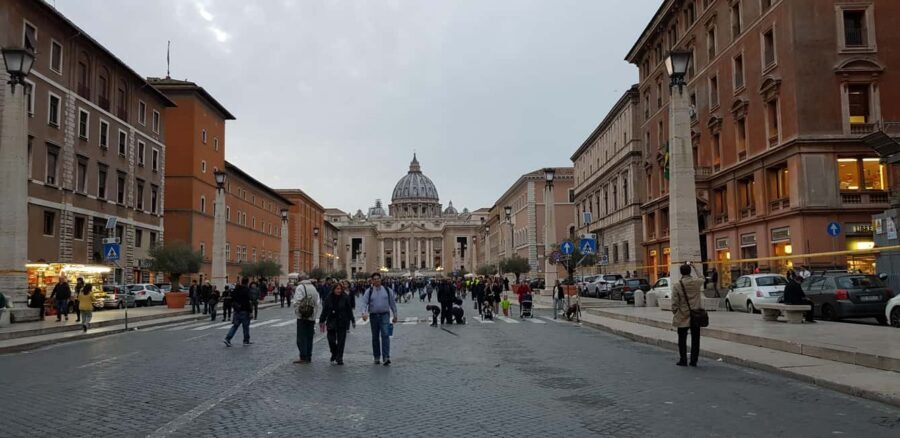
The Vatican Museums can overwhelm you because the collections are so broad. That’s why I like this format: it points you toward the moments most people travel here to see, without pretending you’ll cover everything.
Classical sculpture: Laocoön and the Belvedere Torso
If you’ve ever felt sculpture goes right over your head, this is where it clicks. Pieces like Laocoön and His Sons and the Belvedere Torso are visually dramatic even without background knowledge. The bodies, movement, and craftsmanship grab you quickly, and you can spend a few minutes and still feel like you got something real.
Raphael’s Rooms: frescoes that reward close looking
The Raphael Rooms are where Renaissance art feels like it was made for human-scale attention. You’ll see frescoes attributed to Raphael and his workshop. Since this is not a guided tour, you’ll want to use your own curiosity: pick one or two rooms to slow down in, rather than trying to “collect” every surface with your eyes.
The best part about going without a guide is control. If you’re the type who enjoys stopping and looking longer, you can do it. If you’d rather move fast, you can also do that. The tradeoff is that you won’t get a planned commentary to connect everything with a neat narrative.
Other Vatican Museums tours in Rome




Bernini, Raphael, and the Vatican’s Renaissance brain
Your ticket includes access to the museums’ Renaissance-and-beyond core. You’ll encounter the major themes that connect the Vatican’s collections: classical foundations, Renaissance reinterpretation, and the way religious and political identity show up in art. You’ll also see an enormous variety of pieces, which can feel like “more than enough” even in a short visit.
Gallery of Maps and Gallery of Tapestries: When the Vatican Gets Strange in a Good Way
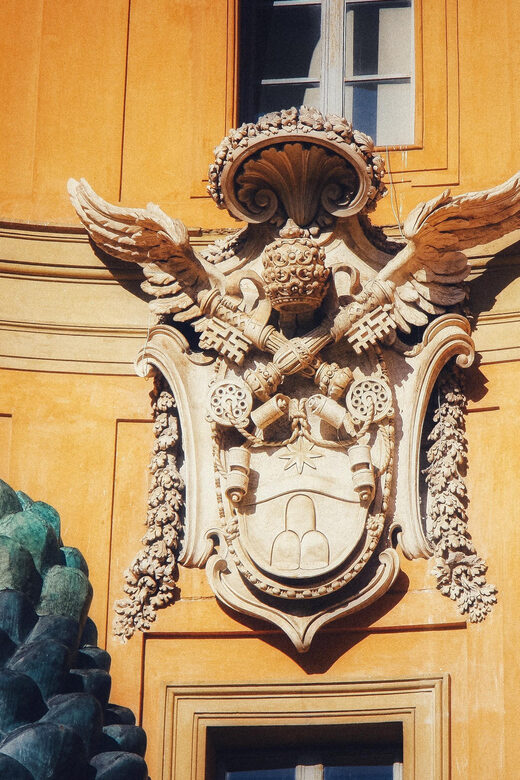
Not every famous museum delivers variety so easily. Here, you can shift your “art mode” without leaving the Vatican Museums.
Gallery of Maps: history you can read with your eyes
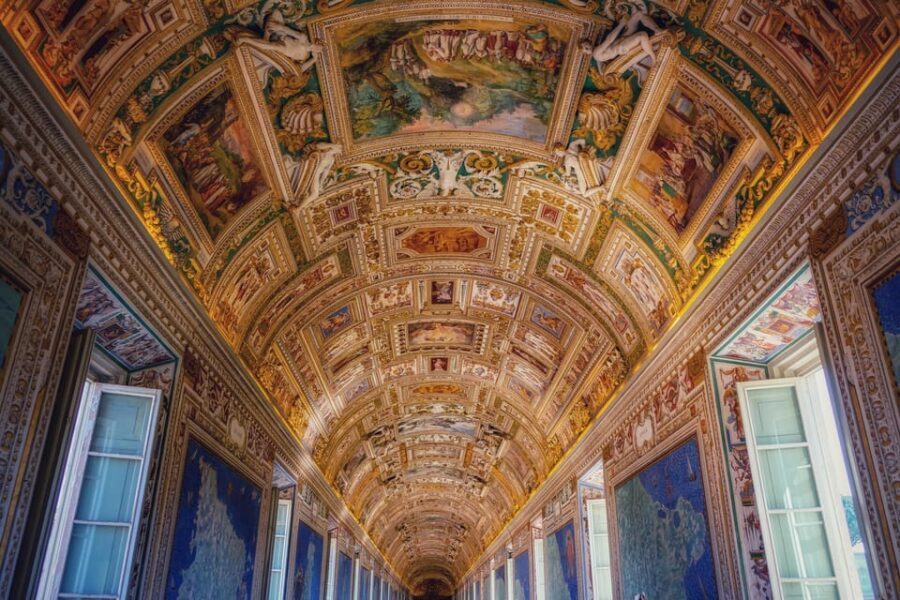
You’ll see historic maps as part of the museum experience. Even without deep cartography knowledge, maps give you something paintings often don’t: scale and context. They help you understand how the world was imagined, categorized, and displayed centuries ago.
This is a smart stop in a short visit because it resets your brain after sculpture and fresco intensity. It also tends to create more breathing room than the most crowded showpieces.
Gallery of Tapestries: visual storytelling in fabric form
The Gallery of Tapestries brings in Flemish tapestry displays. Tapestries are one of those art forms people forget exist until they see them. Up close, they can look almost like paintings you can walk around, and they make the museum feel less like a gallery of relics and more like a place where art served real functions.
Again, because the experience isn’t guided, you’ll get the best value if you pick a couple of focal points and really look. Spend time on composition and detail rather than trying to absorb everything at once.
Sistine Chapel: What to Focus on When Crowds Compress Your Time
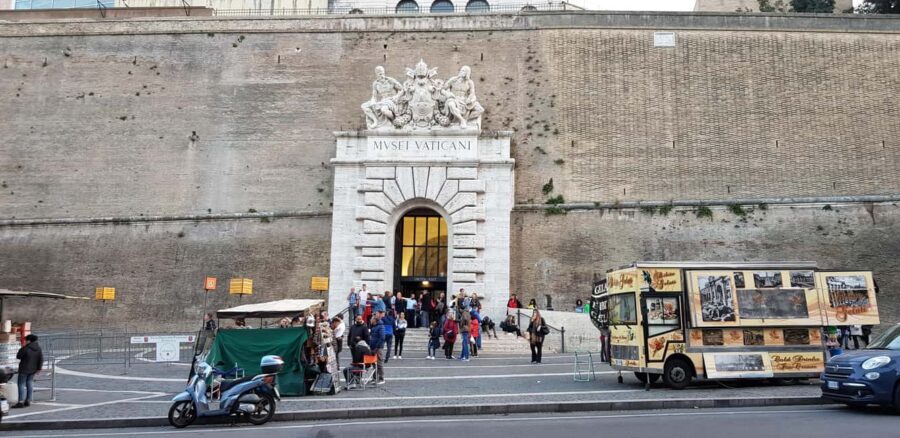
The Sistine Chapel is why most people plan this trip. It’s also where your short time window matters most.
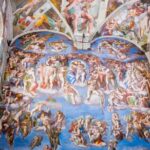
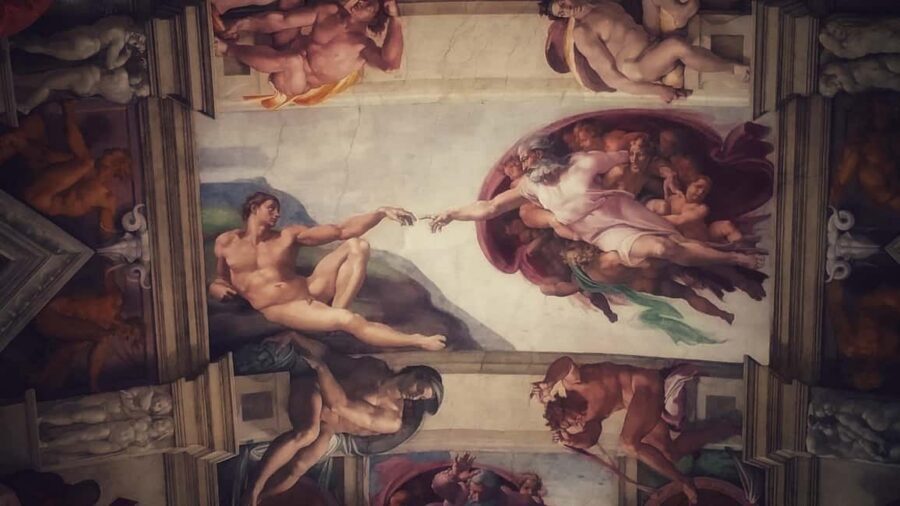
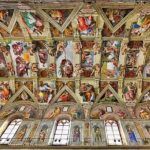
You’ll spend time gazing upward at Michelangelo’s ceiling painting, one of the most recognized works of the High Renaissance. You’ll also encounter Michelangelo’s masterpieces on the ceiling and back wall areas as you move through. The visual effect is so strong that even a quick visit can feel life-changing, but crowded conditions can make it harder to linger.
Here’s how to handle the reality of the space:
- Plan to look up first, not around. The ceiling is the star.
- Decide what you care about most: overall composition or specific scenes. You can’t do both in a compressed visit, so choose.
- Keep your expectations practical. People stand close, and you might not have a perfect view line. That’s normal for this chapel.
Also, remember: this ticket gets you entry and time inside, but it doesn’t come with a guide walking you through the symbolism. If you’re excited by explanations, you might find you want extra context before you go. If you love pure visual impact, the lack of narration won’t hurt as much.
One extra detail that affects your experience: the chapel visit is often the end-game. If you’ve spent your earlier time rushing through everything else, you’ll feel it here. If you keep a calm pace earlier in the museum, the chapel becomes a real reward rather than a final sprint.
Dress Code, ID, and What to Leave at Home (This Is Where Trips Get Stuck)
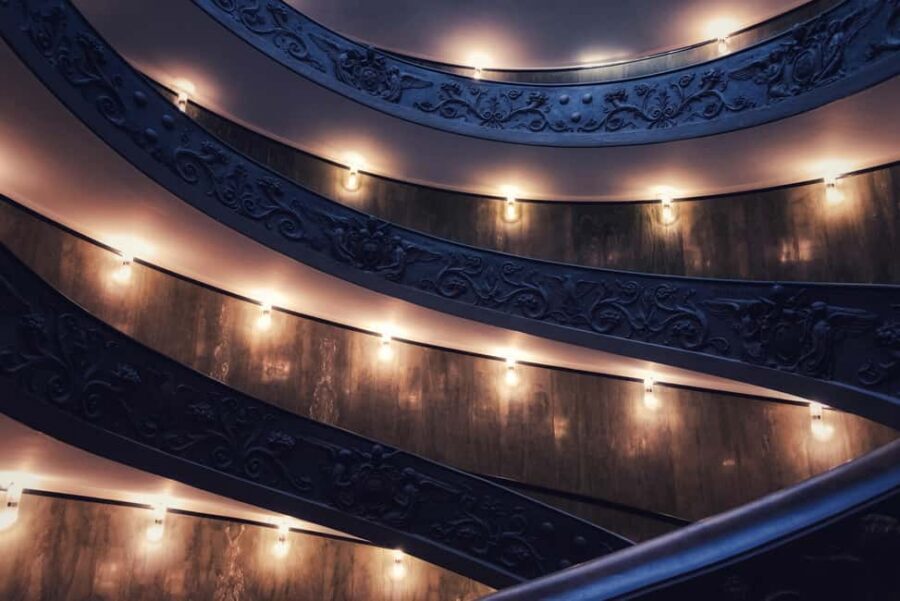
The Vatican enforces rules, and this one is strict enough that it can mess up your entry if you ignore it.
Dress code: shoulders and knees covered
Make sure your outfit covers shoulders and knees. This isn’t just a suggestion. If your clothes don’t meet the requirement, you may have trouble getting in.
Bring ID
You’ll need a passport or ID card. Don’t rely on photos on your phone. Have the real document with you.
What’s not allowed
Some items are off-limits, including baby strollers, drinks, and backpacks. Alcohol and drugs are also not allowed, and baby carriages aren’t permitted.
If you’re traveling light, that’s great. If you’re carrying a backpack, you may need a plan for it before you arrive. For a short, 2–3 hour visit, it’s usually smarter to bring only what you truly need.
Stamina and logistics
This is walking-heavy and not set up for wheelchair users. Babies under 1 year also aren’t suitable for this experience. If you’re traveling with mobility constraints, you’ll want to look for a different format designed for your needs.
Meeting Point, WhatsApp Instructions, and Getting In Smoothly
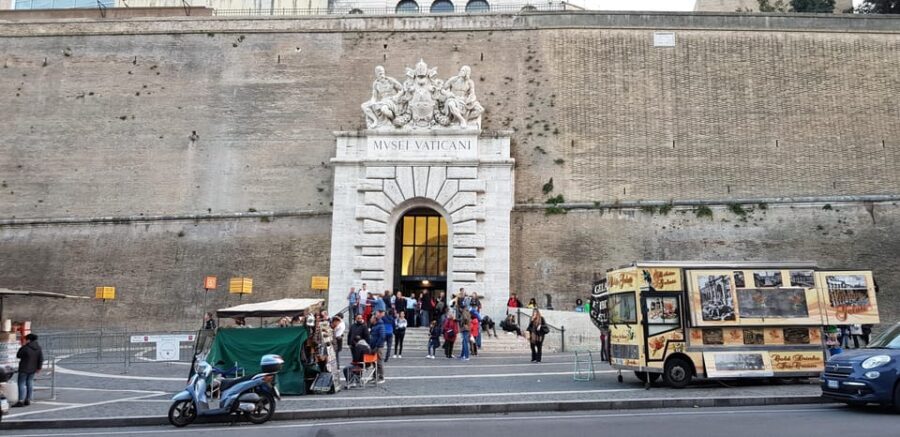
Your meeting point can vary depending on the option you booked, and the instructions are sent to your WhatsApp number on the day of the event. That’s an important detail, because a smooth start depends on you receiving the message.
In practice, this kind of WhatsApp flow usually means you’re less likely to hunt for someone at a chaotic entrance. Many people get tickets in PDF form ahead of time through WhatsApp, which helps you arrive ready and avoid scramble moments.
One caution from real-world behavior: the communication only works if your WhatsApp info is correct and active. Double-check that number, and make sure you can receive messages on the day. If you don’t, you risk confusion right when you want things to be simple.
When you arrive, there’s an English-speaking host or greeter, but it’s still not a guided tour. You’re using them for entry orientation, not for a full commentary session.
If you like structure, you might feel slightly disappointed by the no-guide element. If you like freedom, it’s a plus. Either way, the smoother entry process is a real quality-of-life win.
Who This Ticket Fits Best (And Who Should Rethink It)
This option is a strong fit if you want:
- A short, high-impact Vatican visit that includes Vatican Museums and the Sistine Chapel.
- Flexibility to spend more time where you personally care, without a fixed lecture style.
- Skip-the-line entry because you don’t want your day consumed by queues.
It’s less ideal if:
- You want a detailed narration of art history while you move through rooms. Since it’s not a guided tour, you’ll rely on your own reading or prior interest.
- You need accessibility support for wheelchair users.
- You’re bringing items that are not allowed, like a backpack.
Also, it helps to be realistic about crowds. Even with skip-the-line entry, the museums can feel tightly packed. If you hate shoulder-to-shoulder spaces, you may find it harder to enjoy every stop at length.
Should You Book This Skip-the-Line Vatican Entry?
I’d book it if your goal is simple: get into the Vatican fast and make sure you hit Raphael and the Sistine Chapel ceiling without sacrificing half your day to lines. The skip-the-line value is the main reason this ticket makes sense, and the 2–3 hour duration is ideal for a focused plan.
I’d think twice if you’re someone who wants guided interpretation and you don’t already know what you’re looking for. In that case, you might feel like you’re moving through famous rooms without the extra context that brings the art’s meaning into focus.
If you do book, prep like a pro: follow the dress code, bring your ID, travel without a backpack, and make sure your WhatsApp can receive day-of instructions. With those basics handled, this is one of the most practical ways to experience the Vatican’s greatest hits in a limited timeframe.
FAQ
Is this experience a guided tour?
No. It’s not a guided tour. You’ll have an English-speaking host or greeter for entry help, and then you explore on your own inside.
How long does the Vatican Museums and Sistine Chapel experience take?
Plan for about 2 to 3 hours. Starting times depend on availability.
What’s included in the price?
You get a skip-the-line entry ticket. No tour guide is included.
Where do I meet for entry?
The meeting point may vary depending on the option you booked.
What do I need to bring?
Bring a passport or ID card.
What is the dress code?
Shoulders and knees must be covered.
Are backpacks or drinks allowed?
No. Backpacks and drinks are not allowed.
Is it suitable for wheelchair users or babies?
No. It’s not suitable for wheelchair users, and it’s not suitable for babies under 1 year. Baby strollers and baby carriages are also not allowed.
What is the cancellation policy?
This activity is non-refundable.
What language is the host or greeter?
English.


More Skip-the-Line Tours at the Sistine Chapel & Vatican
- Skip-the-Line Group Tour of the Vatican, Sistine Chapel & St. Peter’s Basilica
★ 4.5 · 12,779 reviews



More Vatican Museums Tours at the Sistine Chapel & Vatican
More Sistine Chapel Tours at the Sistine Chapel & Vatican
- Skip-the-Line Group Tour of the Vatican, Sistine Chapel & St. Peter’s Basilica
★ 4.5 · 12,779 reviews