REVIEW · VATICAN CITY
Rome: Sistine Chapel, Vatican & St. Peters Private Tour
Book on GetYourGuide →Operated by Through Eternity Tours · Bookable on GetYourGuide
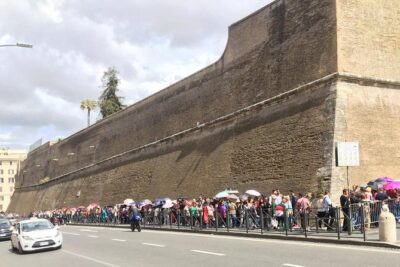
Three hours, and the Vatican still surprises. This private tour keeps you focused on the Sistine Chapel ceiling and the Raphael Rooms, with an expert guide explaining what you’re actually seeing as you move through the Museums. I like the big win here: skip-the-line access so you spend less time parked and more time looking closely.
The main drawback is simple: time is tight. You’re in the Sistine Chapel for about 20 minutes, and on very busy days the Raphael Rooms stop may be dropped depending on how Vatican crowds are routed.
In This Review
- Key things I’d watch for
- Meeting at Caffe Vaticano: where the tour actually starts
- Vatican Museums in a tight 3-hour plan
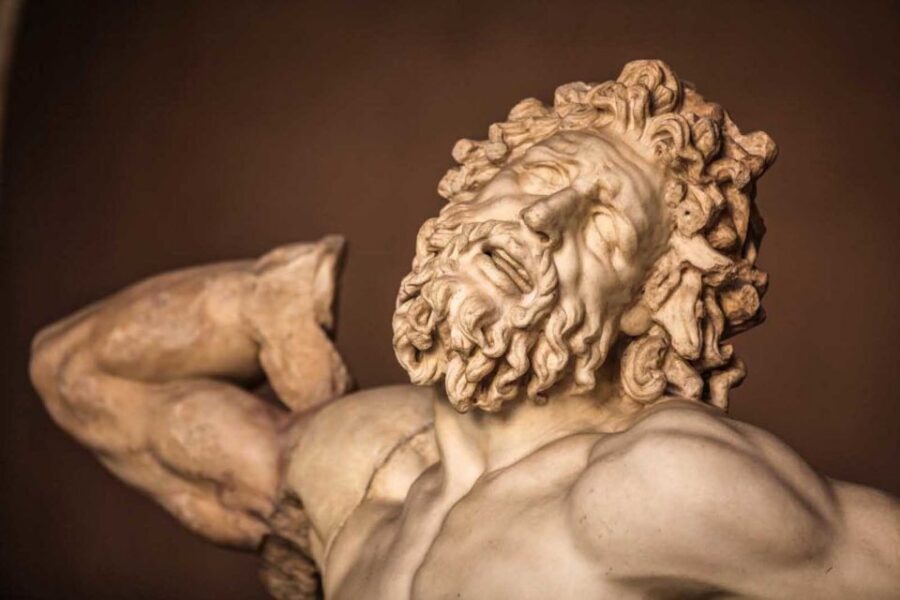
- Chiaramonti Museum: the long view of Roman sculpture
- Gallery of the Candelabra: scale and theatrical decoration
- Gallery of Tapestries: color and texture under museum light
- Gallery of Maps: the genius move that feels surprisingly human
- Raphael Rooms: the papal apartments most people skip
- Sistine Chapel: how you avoid the usual rush
- St. Peter’s Basilica: direct entry without the extra line
- What the price gets you (and when it’s a smart value)
- Private guide impact: real pacing, real crowd control
- Practical rules so your visit goes smoothly
- Who should book this Vatican private tour
- Should you book this tour?
- FAQ
- How long is the Rome: Sistine Chapel, Vatican & St. Peters Private Tour?
- Where do we meet the guide?
- What sites are included in the tour?
- Is skip-the-line access included?
- Is food or drink included?
- What languages are offered?
- How long do we spend in the Sistine Chapel?
- Are the Raphael Rooms always guaranteed?
- What should I wear or bring?
- Is the tour wheelchair accessible?
- Can I cancel for a refund?
Key things I’d watch for
- Skip-the-line entry helps you avoid the worst waiting and keeps the day moving.
- Sistine Chapel ceiling focus means you’re not rushed like most visitors.
- Raphael Rooms stop highlights the papal apartments and the School of Athens context.
- A fixed museum route includes several major galleries (Chiaramonti, Maps, Candelabra, Tapestries).
- Direct access to St. Peter’s Basilica after the Chapel cuts down extra line time.
- Crowd timing can change stops during peak conditions, including occasional adjustments to the Raphael Rooms.
Meeting at Caffe Vaticano: where the tour actually starts
Your day begins at street level, meeting your guide in front of Caffe Vaticano. The guide shows up with a Through Eternity sign or flag, so you know exactly who you’re looking for. The tour starts from Viale Vaticano, 100, then it’s a quick walk to the Vatican Museums.
This matters because the Vatican is one of those places where “getting there” can be half the battle. Starting with a clear, visible meeting point means you can concentrate on the art once you’re inside.
One practical thing: bring comfortable shoes and water. This route is a lot of standing and slow moving in crowds, even with a guide keeping you organized.
Other Sistine Chapel tours we've reviewed in Vatican City
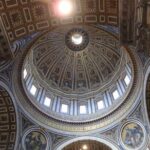

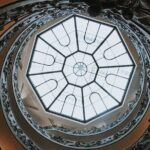
Vatican Museums in a tight 3-hour plan
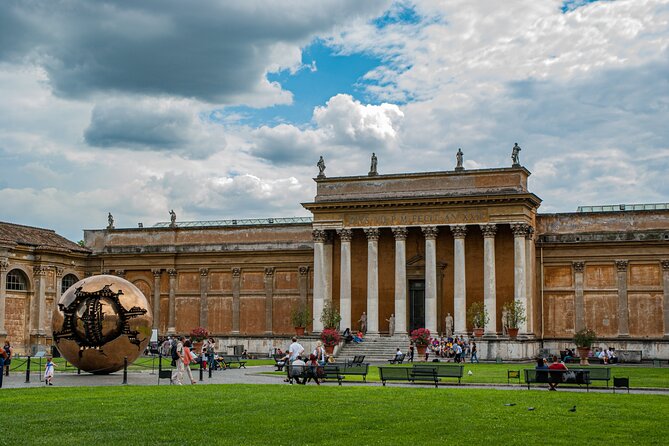
The Museums portion runs about 100 minutes and follows a smart, high-impact sequence. Instead of trying to see everything (you won’t), you see the places that most strongly connect the story of art across centuries.
Here’s the order and why it works:
Chiaramonti Museum: the long view of Roman sculpture
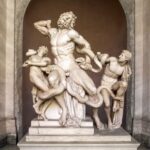
The Chiaramonti Museum is one of those spaces where you can get a sense of how the Vatican’s collection feels like a museum inside a museum. If you like sculpture, this is where you start building context. The guide helps you read what you’re looking at instead of just passing sculptures in a blur.
Gallery of the Candelabra: scale and theatrical decoration
Next comes the Gallery of the Candelabra. The name gives you a clue, but it’s also a good moment to reset your eyes. This is where the guide can point out decorative details so it stops being only “pretty walls” and becomes a sense of design and display.
Gallery of Tapestries: color and texture under museum light
Then you move into the Gallery of Tapestries. Tapestries can be tricky to appreciate because you’re often looking at images that feel flatter than paintings. With a guide, you can focus on the woven look, the composition, and how the Vatican used art to project power and taste.
Other St Peter's Basilica tours we've reviewed in Vatican City


Gallery of Maps: the genius move that feels surprisingly human
The Gallery of Maps is the place where many people suddenly start paying attention in a new way. Maps are factual, but displayed in a grand gallery they feel like a storybook of geography. You get to see why this is such a famous stop and how it fits into the Vatican’s long tradition of collecting, shaping, and presenting knowledge.
Your guide also covers “unmissable highlights” plus some less obvious touches—enough to feel like a curated route without pretending you saw the whole Vatican.
Raphael Rooms: the papal apartments most people skip
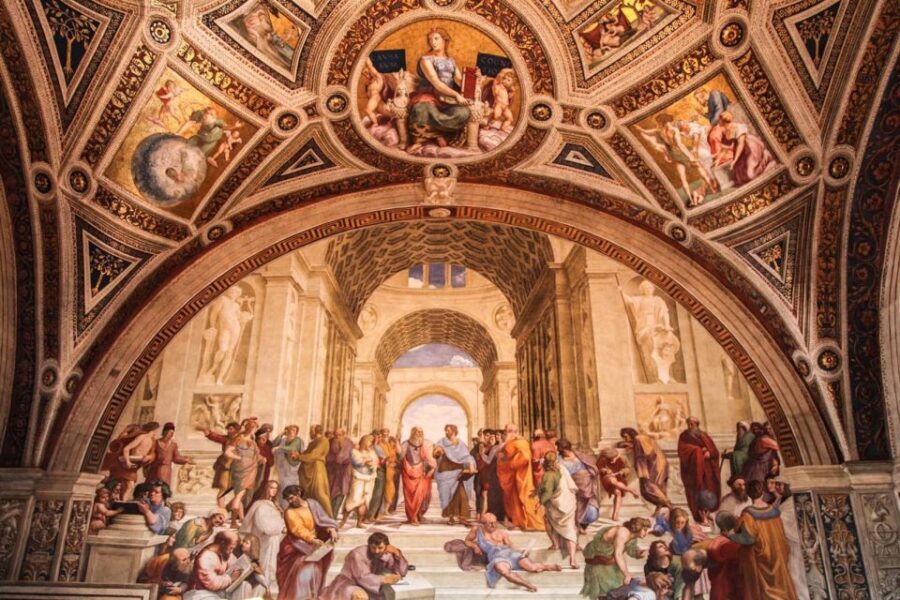
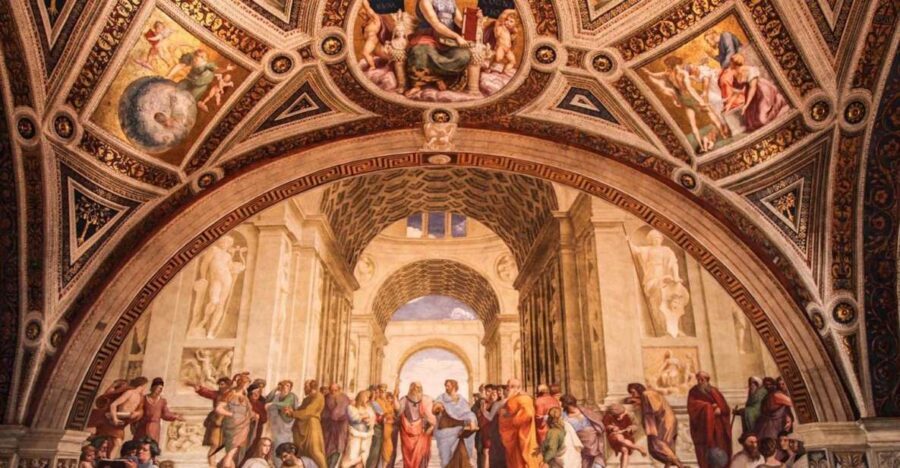
After the Museums galleries, you reach the Raphael Rooms, a suite of private papal apartments known for some of the most important Renaissance painting in the Vatican. This is one of the stops that benefits most from a slower pace.
The guide helps you understand why Raphael, a young painter from Urbino, was chosen for a prestigious commission. That context matters because it makes the art feel less like random masterpieces and more like a career and a political decision.
You’ll also spend time with key works such as The School of Athens. The guide can explain why it’s more than a famous image—how it connects Renaissance fascination with the classical world and the image-making culture of the papal court.
Important reality check: on very crowded days, Vatican staff can change crowd directions, and the tour may not be able to make this stop. If Raphael Rooms are a top priority for you, it’s worth being flexible and letting the guide’s routing handle the day.
Sistine Chapel: how you avoid the usual rush
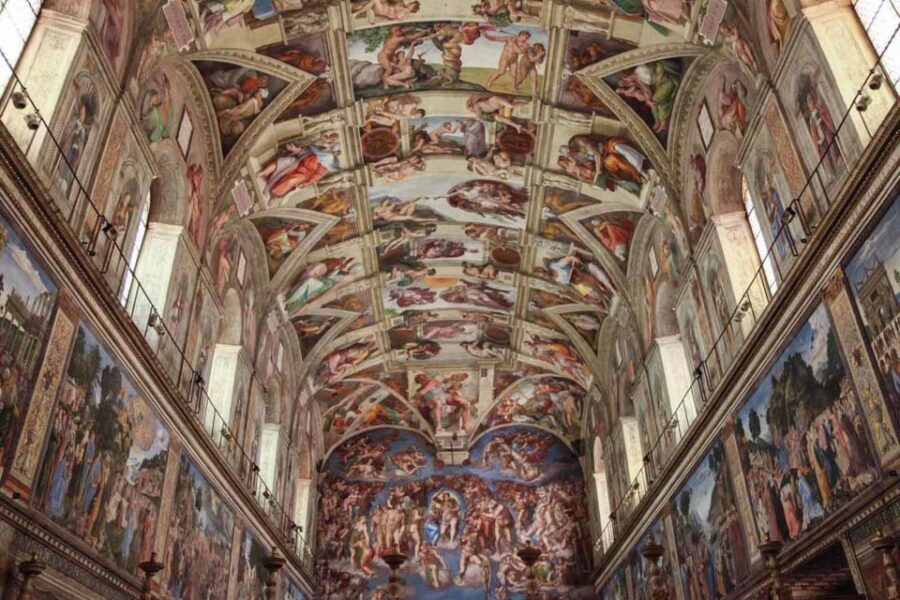
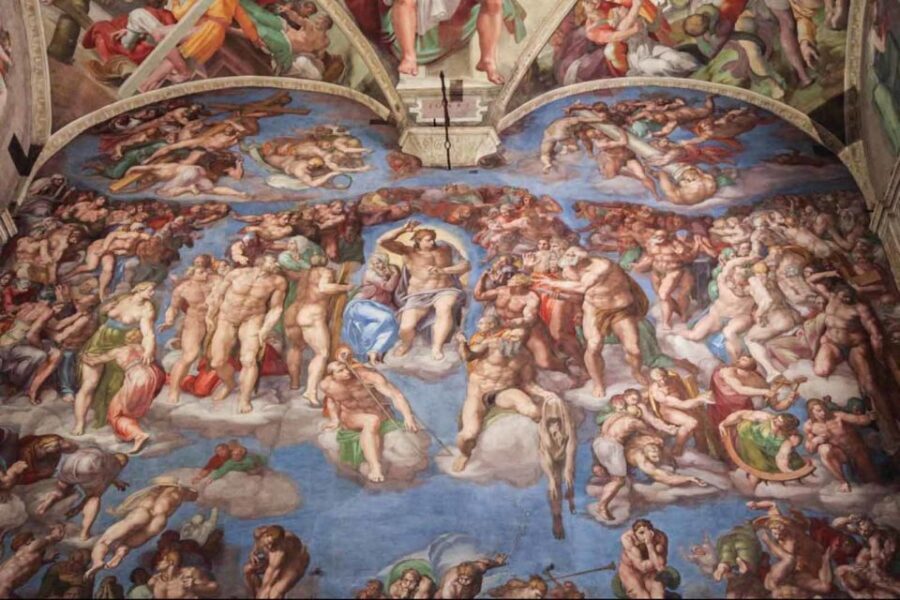
Then comes the big one: the Sistine Chapel. Your time inside is guided and scheduled at around 20 minutes. That doesn’t sound long, but it’s built for attention, not sprinting.
Many visits get you through the room fast. This tour is different in the way you’re encouraged to look up and take in the work—especially Michelangelo’s ceiling frescoes, where the guide explains the secrets behind the intricate details.
This is also where a private guide becomes more than a luxury. Without guidance, the Chapel can feel like you’re just staring at famous images. With guidance, you start noticing patterns—figures, gestures, and the way the scenes fit together.
If you’re the type who likes to photograph, this is one of those spots where it’s better to accept that some details require your eyes more than your camera.
St. Peter’s Basilica: direct entry without the extra line
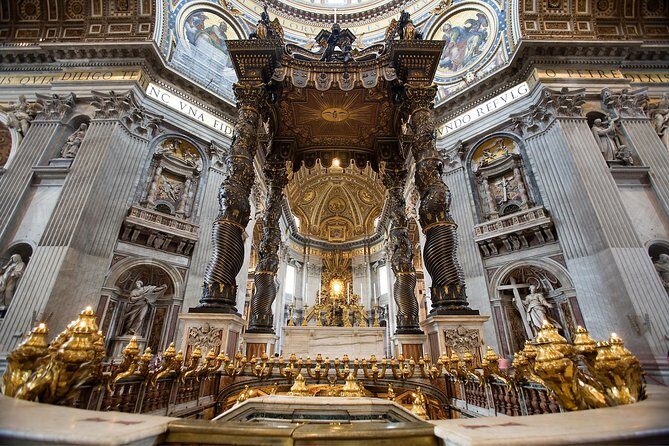
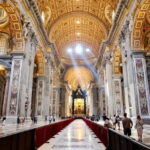
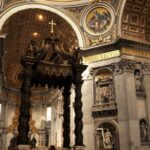
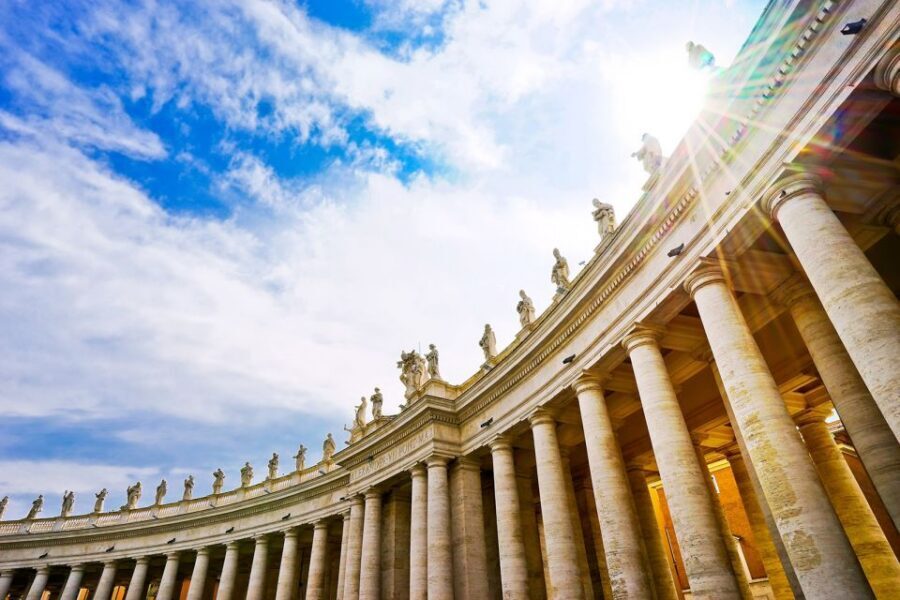
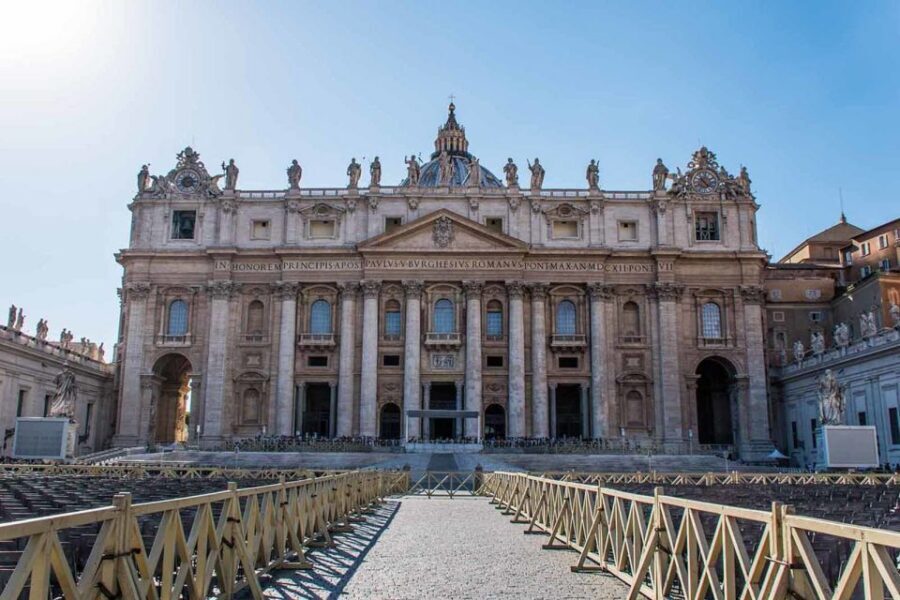
After exiting the Sistine Chapel, the tour includes direct access to St. Peter’s Basilica. You don’t have to wait in line again, which keeps your momentum intact.
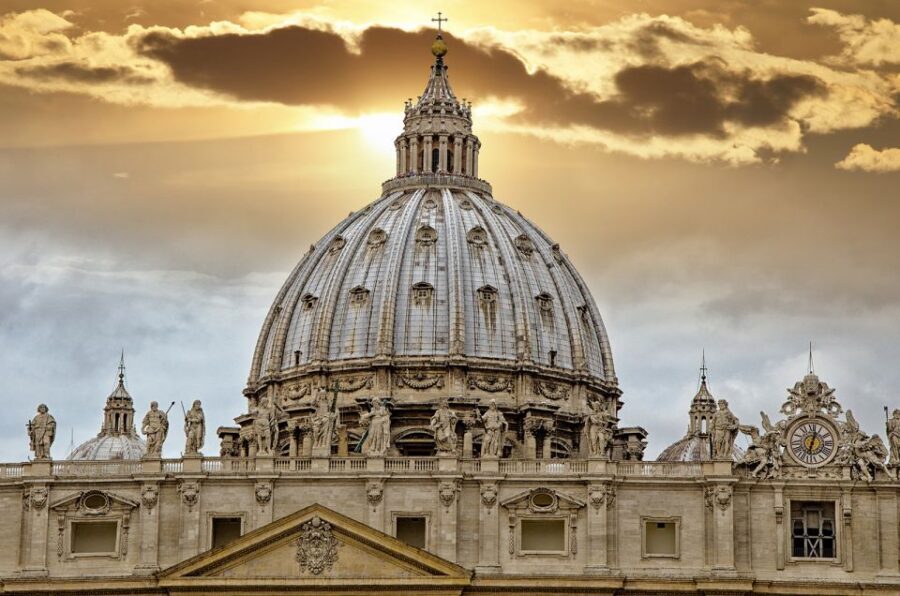
The Basilica portion runs about 1 hour with a guided visit that places the building within Christian history—from origins connected to a burial ground to the splendor of its later form and its role as an international religious site.
What you’ll get most from the guide here is the “why” behind what you’re looking at. The Basilica is enormous. Without someone to point out the key transitions, it’s easy to get lost in size alone.
What the price gets you (and when it’s a smart value)
This tour costs about $241.30 per person for a private experience lasting around 3 hours.
That price sounds steep until you break it down into what’s included:
- A private guide for the full run
- Skip-the-line access
- Guided time through major Vatican collections and highlights
- A schedule that links the Sistine Chapel and St. Peter’s Basilica efficiently
In other words, you’re paying for time-saving and a guide who keeps the route coherent. If you’re traveling as a couple or a small group, you’re also paying for the chance to move at your own pace inside extremely crowded spaces.
If you’re on a tight budget or don’t care about any guided explanations, a self-guided plan can look cheaper on paper. But if you want the art to make sense quickly, this format often feels like good money spent.
Private guide impact: real pacing, real crowd control
The best part of a private Vatican tour is the pacing. One guide, Tatianna, was singled out for keeping kids engaged while handling crowd movement so the group didn’t stall out. Another guide named Ricardo was described as very attentive, with deep know-how paired with patience.
That’s exactly what you need here. The Vatican is not a museum where you can wander freely and still see what you want without losing time. A good guide does three jobs at once:
1) explains what you’re seeing,
2) keeps you moving,
3) prevents the group from getting stuck in the wrong flow.
Practical rules so your visit goes smoothly
This tour follows Vatican-style restrictions, so read these before you show up.
You should bring:
- Comfortable shoes
- Water
You should not bring or wear:
- Shorts
- Sleeveless shirts
- Luggage or large bags
If you arrive dressed in a way that breaks the rules, you can lose time at the entrance. Plan ahead so your first 15 minutes aren’t a scramble.
Also note that some monuments may be under restoration due to the Jubilee, and timing or site presentation could change. If the provider messages you about updates, take them seriously.
Who should book this Vatican private tour
This is a strong fit if you:
- Want a guided, organized route instead of guessing your way through the Vatican
- Care most about the Sistine Chapel ceiling and want time to actually look
- Want a guided visit through major museum galleries without trying to see everything
- Prefer private pacing, including for families and groups that need steady momentum
It’s also useful if you hate spending the day waiting in lines. Skip-the-line access isn’t just convenience—it changes how much of the tour you can enjoy with your energy intact.
Should you book this tour?
Yes, if you want the best chance of making sense of the Vatican in a short visit. The combination of skip-the-line entry, a guided route through major museum highlights, and structured time for the Sistine Chapel and Raphael Rooms is a practical way to see the key masterpieces without burning your day.
Hold off or choose carefully if you’re extremely price-sensitive, or if you’re hoping for a long, unhurried tour of everything. This experience is designed for focus, not for seeing every room.
If you’re set on the Raphael Rooms and you’re visiting during peak crowding, go in with flexibility—on some days, that stop can be affected by Vatican crowd flow.
FAQ
How long is the Rome: Sistine Chapel, Vatican & St. Peters Private Tour?
The tour duration is about 3 hours, with starting times varying by availability.
Where do we meet the guide?
The guide meets you in front of Caffe Vaticano with a Through Eternity sign or flag.
What sites are included in the tour?
You’ll visit the Vatican Museums (including major galleries), the Raphael Rooms, the Sistine Chapel, and St. Peter’s Basilica.
Is skip-the-line access included?
Yes. The tour includes skip-the-line access.
Is food or drink included?
No. Food and beverages are not included.
What languages are offered?
The live guide is available in English and Italian.
How long do we spend in the Sistine Chapel?
The Sistine Chapel visit is guided for about 20 minutes.
Are the Raphael Rooms always guaranteed?
On crowded days, Vatican museum routing may affect timing, and the Raphael Rooms stop may not be possible.
What should I wear or bring?
Bring comfortable shoes and water. Avoid shorts and sleeveless shirts.
Is the tour wheelchair accessible?
Yes, the tour is listed as wheelchair accessible.
Can I cancel for a refund?
Yes. Free cancellation is available up to 24 hours in advance for a full refund.