REVIEW · ROME
Vatican City: Vatican Museum and Sistine Chapel Guided Tours
Book on GetYourGuide →Operated by Vatican Priority tours · Bookable on GetYourGuide
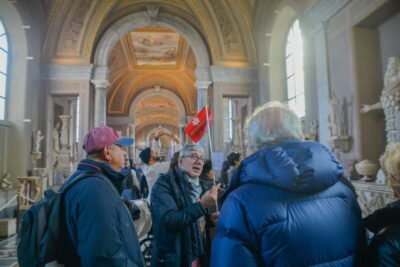
The Vatican can feel like a maze, but this tour cuts the noise and points you at the highlights. I love the 2-hour guided route that keeps you moving without wasting time, and I also like that you get a radio headset so you can actually hear the guide as crowds press in. The trade-off: with only two hours, you’ll see a lot, but you won’t have much time to linger.
You’ll start with the Vatican Museum highlights that pop right away—spiral staircase views and a balcony look toward St. Peter’s Dome—then work through major galleries and themed stops. The finale is the Sistine Chapel reached in a quieter, more respectful way, with time focused on Michelangelo’s ceiling, including the Last Judgment. If you’re hoping for slow, deep art-study sessions, plan on doing a bit of your own follow-up after.
In This Review
- Key highlights you’ll actually notice
- A fast Vatican Museum route in 2 hours (and what that means)
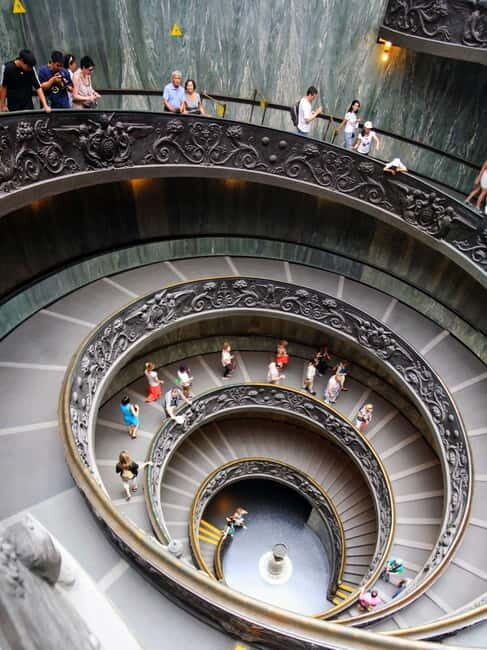
- Spiral staircase and the balcony toward St. Peter’s Dome
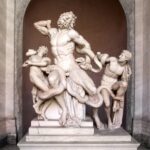
- Galleries of art, ancient statues, and a modern sculpture courtyard
- The Gregorian Egyptian Museum: a surprising pivot that pays off
- Woven wall hangings and the Gallery of Maps
- Raphael rooms and Renaissance hanging art: where the storytelling sharpens
- Sistine Chapel finale: reaching it quietly and focusing on Michelangelo
- Price, value, and who this guided format is best for
- Getting the most from the guide (and handling crowds without stress)
- Should you book Vatican Museum + Sistine Chapel guided tours?
Key highlights you’ll actually notice

- Spiral staircase + balcony viewpoint: early photo angles and a sense of where you are in Vatican City.
- Gregorian Egyptian Museum stop: a strong left-turn from Christian art into older world artifacts.
- Gallery of Maps and Raphael Room time: you get the political and artistic storytelling people come here for.
- Radio headset with live guide: practical when crowds get loud.
- Sistine Chapel close-up finale: you arrive ready to focus on the ceiling scenes, including the Last Judgment.
A fast Vatican Museum route in 2 hours (and what that means)
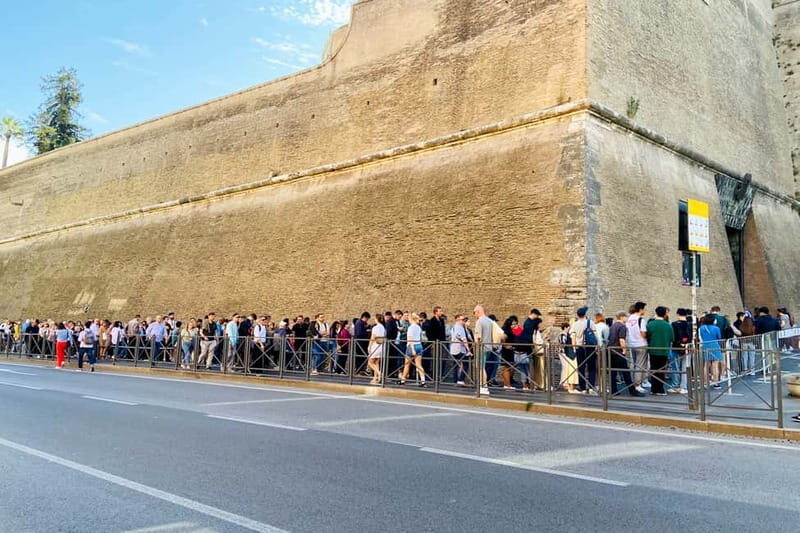
This is a guided Vatican City experience priced at $84.96 per person and timed for about 2 hours total (start times vary, so you check availability before booking). For many first-timers, the value here is less about “seeing everything” and more about “seeing the right things in the right order.”
The Vatican Museums are huge. If you go in on your own, it’s easy to wander for an hour and feel like you’ve barely scratched the surface. With a guided format, you’re basically paying for steering: you’re led through major rooms, pointed to standout works, and kept on a route that flows toward the Sistine Chapel.
You do get a few key inclusions that matter:
- Entry tickets to the Vatican Museum
- Reservation fees covered in the price
- A radio headset, which is a big deal in enclosed spaces
One more value note: if you’re traveling in peak season, the ability to reserve ahead can make the difference between “we might get in” and “we’re on schedule.” The listing also notes free cancellation up to 24 hours in advance, which is the kind of flexibility you’ll appreciate if Rome weather or other plans wobble.
Other Sistine Chapel tours we've reviewed in Rome
Spiral staircase and the balcony toward St. Peter’s Dome
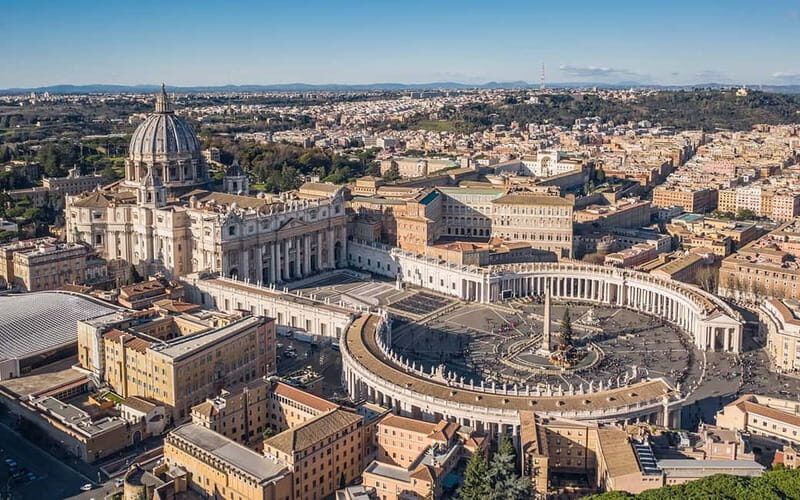
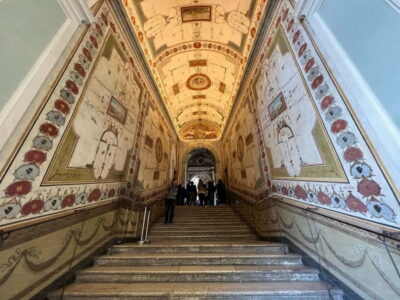
Right near the beginning, you’ll see the spiral staircase—that first “wait, wow” moment that tells you this place is built to impress. Even if you’re not an architecture person, it gives you an instant layout sense: you’re not just walking through rooms, you’re moving through a designed experience.
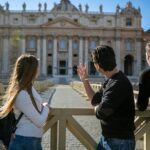
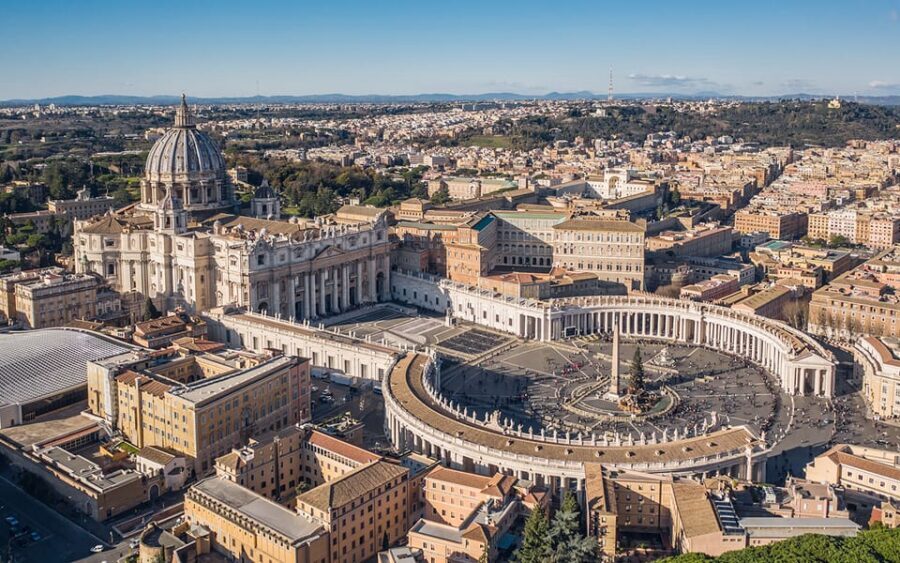
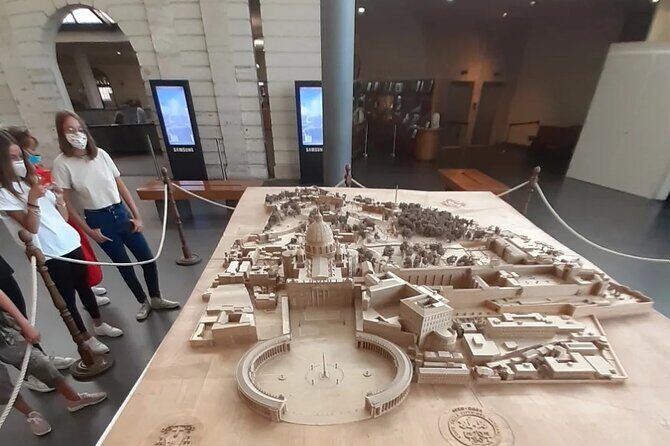
Then there’s the balcony view that looks toward the Dome of St. Peter’s Basilica. That’s useful in two ways. First, it anchors your geography—Vatican City doesn’t feel abstract once you can visually connect it to the biggest icon in the complex. Second, it gives you a break from gallery walls so your brain has somewhere to reset before the art starts stacking up.
Practical tip: wear shoes that let you stand and step easily. This tour is only two hours, so every stop demands energy, not just attention.
Galleries of art, ancient statues, and a modern sculpture courtyard
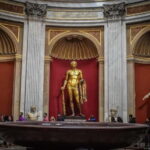
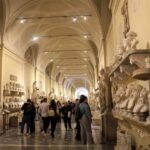
After the opener, the tour shifts into a classic Vatican rhythm: gallery of art, ancient statues, and a modern sculpture courtyard. That mix is honestly a smart way to experience the museum because it keeps the story from becoming one-note.
Here’s what I like about this part of the route for your enjoyment:
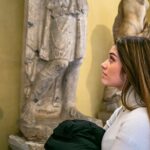
- Ancient statues help you recognize how Rome collected “authority” through art. You start seeing why later popes wanted their own masterpieces—art as power, not decoration.
- The modern sculpture courtyard prevents museum fatigue. Even if modern art is not your thing, it helps you stay awake and curious without the day becoming a single long hallway of similar rooms.
- The guided pacing matters. In the Vatican, if you don’t have someone directing you, you’ll often miss the rooms that people talk about because you’re busy reading every sign.
The only “consideration” I’d flag: this portion moves at a museum’s version of highway speed. If you prefer to read every label and study brushwork like a hobby, plan to come back later for a slower self-guided day.
The Gregorian Egyptian Museum: a surprising pivot that pays off
One of the most interesting stops is the Gregorian Egyptian Museum. It’s not a small detour—it’s a whole themed collection. And that matters because it breaks the expectation that the Vatican Museum is only about Christian-era works.
Why this works for you:
- It widens the context for how the museum presents collections: the Vatican isn’t only “one style,” it’s an accumulator of historical artifacts.
- You get variety in subject matter and mood. When everything is “religious paintings,” your eyes start to blur together. Egyptian-room artifacts reset your attention fast.
- It’s a chance to learn how older civilizations were preserved, displayed, and interpreted by collectors and institutions later on.
If you want to get the most out of this stop, use the guide like your translator. Don’t just look for famous items—ask what the guide thinks is key about the collection’s role in the museum.
Woven wall hangings and the Gallery of Maps
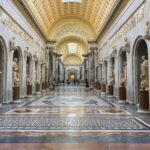
Next you’ll hit a run of visually impressive rooms designed to overwhelm you in the best way: woven wall hangings and the Gallery of Maps.
The Gallery of Maps is one of the strongest “why art matters here” rooms, because it’s not only about beauty. It’s about information and ideology. You’re looking at a structured way of understanding space—how the Vatican presented geography, territory, and worldviews.
I also like the contrast between the hangings and the maps:
- The woven wall hangings give you texture and scale—something you can feel even from a distance.
- The maps give you structure and pattern. Your brain starts organizing what you see, not just admiring it.
Tiny practical reality: these are popular rooms. You’ll want to keep your shoulders packed close and your camera plan simple. If you’re constantly stopping to reposition, the group pace will leave you behind at the worst possible moment—right before the best rooms.
Other Vatican Museums tours in Rome

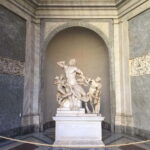

Raphael rooms and Renaissance hanging art: where the storytelling sharpens
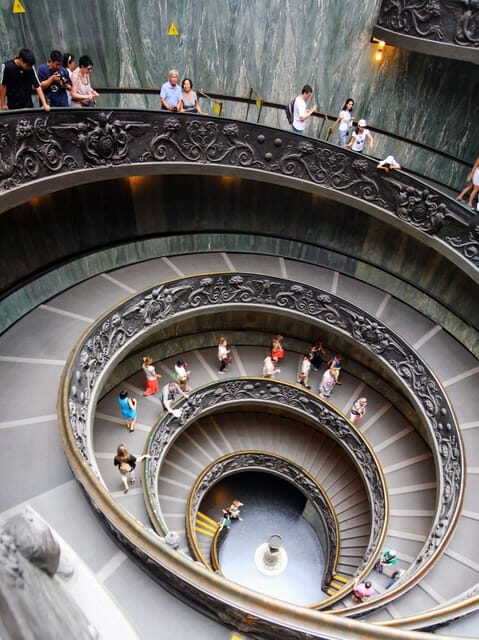
The route continues into Renaissance hanging art and the Raphael Room area. This part is where the Vatican starts feeling less like a museum you’re touring and more like a curated narrative.
What makes it valuable for your trip:
- It reinforces that these weren’t random masterpieces collected for art’s sake alone. They functioned within a system of taste, messaging, and status.
- You start noticing recurring themes—power, legitimacy, religion, and human storytelling—woven into the way rooms are arranged and explained.
A quick expectation check: “Raphael Room” time won’t feel like a full lecture. It’s still a guided highlight stop. But if the guide is good (and the radio helps), you’ll get enough context to make what you see click.
And based on the overall rating being 3.1, I’d say this: don’t assume every guide will hit every detail perfectly. If you care a lot about accuracy, keep your attention on the guide’s explanations, and don’t be afraid to ask a quick question when you’re not blocking anyone. A good guide should welcome that.
Sistine Chapel finale: reaching it quietly and focusing on Michelangelo
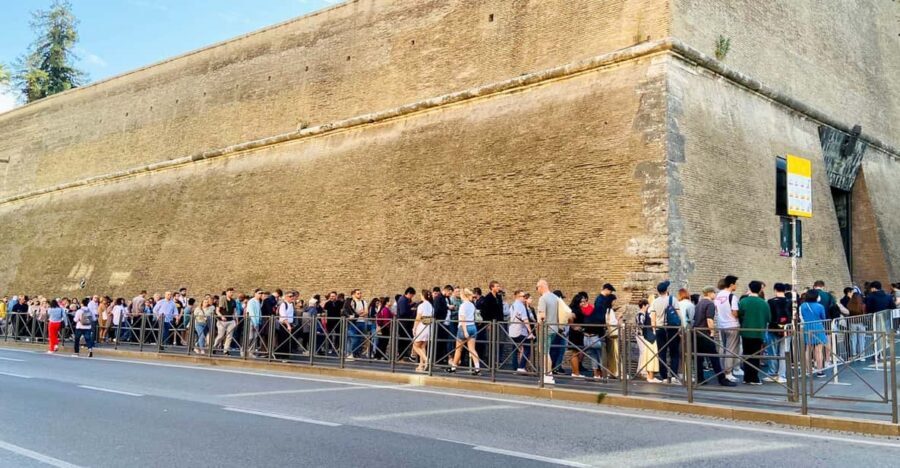
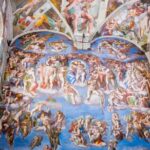
The last part is the Sistine Chapel, reached in a quieter, more mindful way so you can focus instead of rushing. The tour description specifically notes a silent way to reach and reach the heart of the experience.
Here’s what you should expect when you get there:
- You’re guided through the chapel focus, not turned loose.
- The highlight is Michelangelo’s Sistine Chapel, with special attention on the Last Judgment ceiling.
This ending is where the tour earns its keep. Without a guide, the Sistine Chapel can turn into a “stand still and try not to blink” experience. With a guide, you’re more likely to understand what you’re looking at—why certain figures are arranged as they are and what the ceiling composition is doing.
Practical advice that will save your sanity:
- Before you enter, set your plan for where your eyes will go first. If you wait until you’re inside, your brain will scramble.
- Keep your phone and camera use minimal. In a quiet chapel, you don’t want to be the person creating chaos.
Price, value, and who this guided format is best for
At $84.96 per person for about two hours, the value depends on your style of travel.
This tour tends to be a good fit if you:
- Want a structured route through the Vatican’s top rooms
- Prefer guided interpretation over pure wandering
- Appreciate hearing explanations clearly via radio headset
- Are comfortable with a short, highlight-focused pace
You might want to rethink it if you:
- Need lots of mobility support (the tour notes it’s not suitable for mobility impairments and wheelchair users)
- Have hearing needs that are not supported here (the tour notes it’s not suitable for hearing-impaired people)
- Are sensitive to altitude or feel unwell in enclosed spaces (it notes not suitable for people with altitude sickness)
- Are traveling with very young kids (not suitable for babies under 1 year)
- Are older and need more flexible timing (not suitable for people over 95)
Also, follow the dress code: shoulders and knees must be covered. Rome won’t be flexible on this one. If you show up in the wrong outfit, your day gets complicated fast.
Getting the most from the guide (and handling crowds without stress)
Two things make this tour easier than a DIY visit: live guidance and the radio headset.
- The live guide should help you connect rooms to meaning, not just list works.
- The radio headset helps you keep up in tight corridors and echo-prone rooms. It’s the difference between hearing “something about art” and actually hearing a point you can hold onto.
Because the experience quality can vary (the overall rating is modest at 3.1), do your part:
- Arrive ready to listen. Don’t plan to read every sign yourself mid-tour.
- Keep questions simple. One clarifying question beats ten minutes of silence.
- If something feels off—like too much time spent on non-key areas—redirect your energy back to what the route is clearly building toward: the Sistine Chapel focus.
A slightly humorous but real trick: treat the tour like a playlist. You don’t need every track at full volume. You just need the right highlights, in the right order, so you can remember the feeling later.
Should you book Vatican Museum + Sistine Chapel guided tours?
If your main goal is a high-impact, organized introduction to the Vatican Museum and a focused Sistine Chapel finale, this booking looks like a solid option. The radio headset, the clearly outlined major stops (spiral staircase, Egyptian Museum, Gallery of Maps, Raphael Room, and the Sistine Chapel), and the two-hour timebox make it easy to plan a first Rome trip without spending your whole day lost in marble corridors.
I’d only hesitate if you need a very slow pace, deep instruction for learning every detail, or any accommodation support the tour explicitly does not provide. If that’s you, a different format—more flexible, with accessibility built in—will likely feel better.
In short: book it if you want the classics with guidance and clean pacing. Skip it if your priorities are comfort-first or extremely detailed studying.
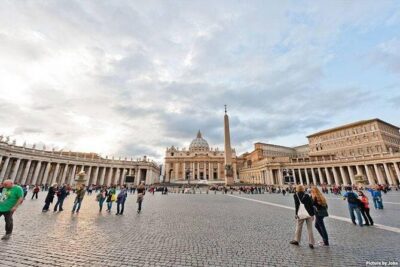
More Guided Tours at the Sistine Chapel & Vatican

More Vatican Museums Tours at the Sistine Chapel & Vatican
More Sistine Chapel Tours at the Sistine Chapel & Vatican
- Skip-the-Line Group Tour of the Vatican, Sistine Chapel & St. Peter’s Basilica
★ 4.5 · 12,779 reviews