REVIEW · ROME
Vatican Museums, Sistine Chapel & St. Peter’s Square Tour
Book on GetYourGuide →Operated by Brastours · Bookable on GetYourGuide
Rome can feel like a test of stamina. This tour turns Vatican City into a doable, high-impact walk with priority entry.
What I love most is the skip-the-line setup, because it saves you the slow, shuffle-in-the-queue part of the day. I also like the small-group pacing, where you can actually hear the guide and follow the story instead of just orbiting statues like a lost planet.
One thing to consider: the tour is not suitable for wheelchair users or people with mobility impairments, and you’ll need to keep moving through indoor galleries and stair-heavy areas. Also, Sistine Chapel time is limited (about 20 minutes), so it’s not the slow, sit-and-stare version.
In This Review
- Quick Hits: What Makes This Tour Worth Your Time
- Why This Vatican Museums–Sistine Chapel–St. Peter’s Square Combo Works
- The $89.72 Price Tag: What You’re Really Paying For
- Meeting at Brastours: How to Start Smooth (and Not Stress)
- Vatican Museums Highlights: The Stuff You’d Miss Without a Guide
- Pio Clementino Hall and the ancient stars
- Cortile del Belvedere: the courtyard moment
- Gallery of the Candelabra
- Gallery of Maps, Candelabra, and Tapestries: How the Themes Pay Off
- Gallery of Maps: history turned into a visual wall
- Gallery of Tapestries: Flemish works with a Raphael connection
- Candelabra Gallery: decoration that still tells a story
- Sistine Chapel in Real Life: 20 Minutes, One Huge Ceiling
- What can go wrong
- St. Peter’s Square: Michelangelo and Bernini at Full Volume
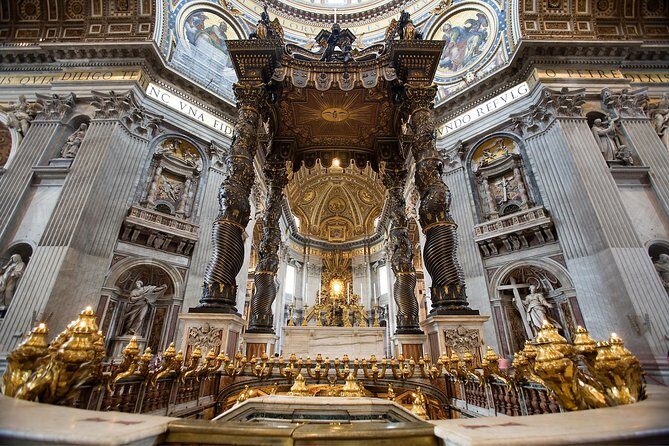
- St. Peter’s Basilica: What You Get, What You Don’t
- Timing and Pacing: The 3-Hour Reality Check
- What to Wear and Bring So You Don’t Get Turned Away
- Who This Tour Suits Best (and Who Should Skip)
- The “Most Praised” Reasons People Get Good Results
- Should You Book This Vatican Museums, Sistine Chapel & St. Peter’s Square Tour?
- FAQ
- How long is the Vatican Museums, Sistine Chapel and St. Peter’s Square tour?
- Where does the tour start?
- How big is the small group?
- Does the tour include skip-the-line entry?
- How long do you spend in the Sistine Chapel?
- Are Raphael’s Rooms included?
- Is a guided tour inside St. Peter’s Basilica included?
- What languages are the guides?
- Is this tour suitable for wheelchair users?
- What should I wear to enter?
Quick Hits: What Makes This Tour Worth Your Time

- Priority entry into both the Vatican Museums and the Sistine Chapel so you start seeing art faster
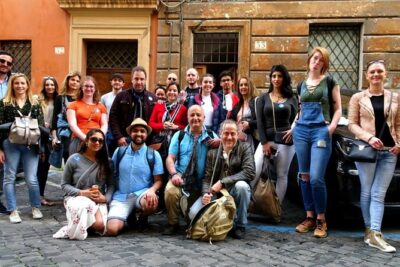
- Small group (10 max) with a licensed guide and official headsets
- Guided highlights you’d struggle to pick alone: Pio Clementino, Apollo Belvedere, and the Gallery of Maps
- Sistine Chapel focus with a factsheet and time set aside to look up at Michelangelo
- End in St. Peter’s Square, built for scale: Michelangelo’s dome and Bernini’s double colonnade
- St. Peter’s Basilica interior tour is not guided, but you can enter on your own for free at the end
Why This Vatican Museums–Sistine Chapel–St. Peter’s Square Combo Works
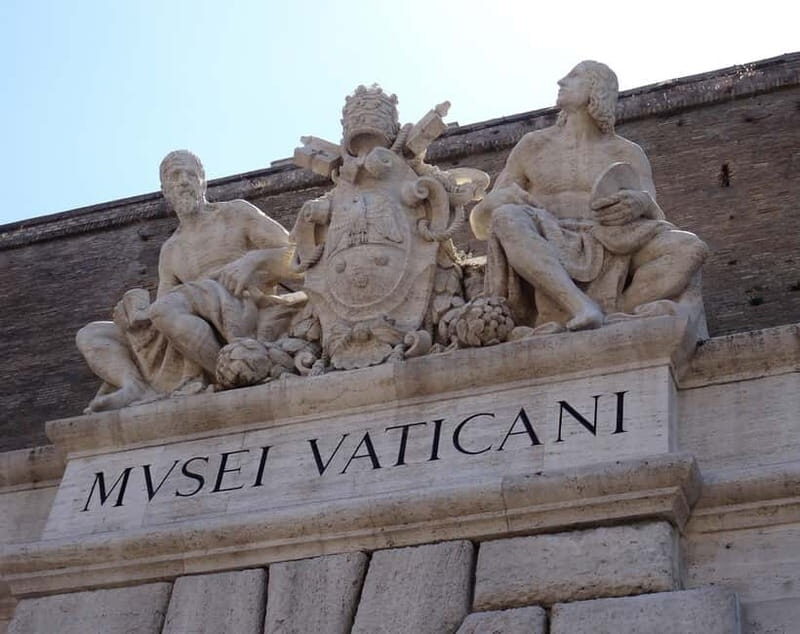
The Vatican can overwhelm you fast. One big reason: there’s so much inside that if you go without a plan, you’ll end up sprinting between rooms and forgetting what you saw.
This route works because it strings together three different “Vatican moods” in one tight loop. You start with art and antiquities in the museums. Then you hit the Sistine Chapel, where the ceiling is the whole point. Finally, you step into St. Peter’s Square, where the architecture takes over and everything gets grand in a very Rome way.
The tour is also built around judgment calls: what’s worth stopping for, what to glance at, and what to understand in context. A good guide—names like Hilary, Louisa, and Adrian are often associated with strong runs—helps you see more than just pretty rooms.
Other Sistine Chapel tours we've reviewed in Rome
The $89.72 Price Tag: What You’re Really Paying For
$89.72 for about 3 hours isn’t cheap, but it’s also not “paying for vibes.” You’re paying for three practical advantages that matter at the Vatican:
First, skip-the-line priority entry. At peak times, that alone can be the difference between feeling rushed and actually enjoying the art.
Second, you’re getting a licensed guide plus official Vatican headsets. That sounds small, but in large museum spaces, clear audio is what makes the story usable.
Third, you’re buying time and focus. The Vatican Museums are enormous, so a guided highlight plan can feel like paying for a shortcut through confusion.
If you like museum lists, you’ll still appreciate this. If you prefer context and “why this matters,” it’s even better value.
Meeting at Brastours: How to Start Smooth (and Not Stress)
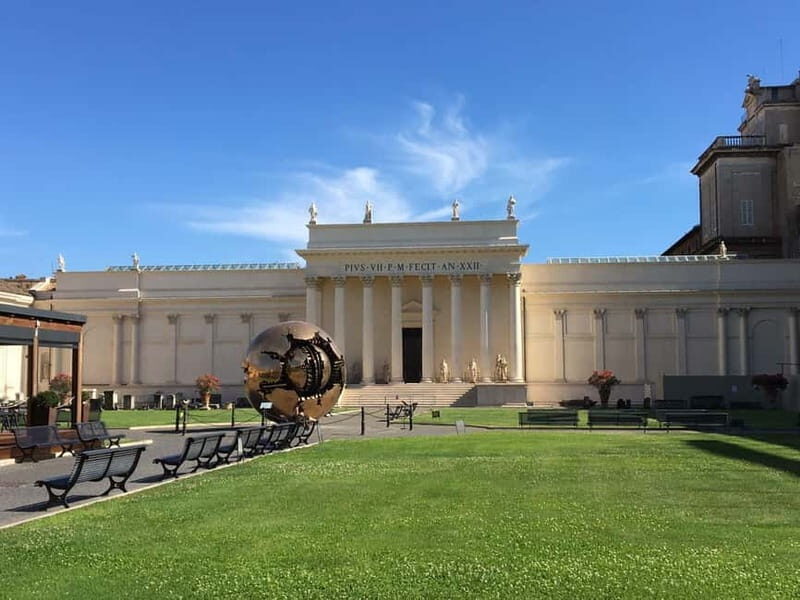
You meet at the Brastours office, and the tour ends back at the meeting point. You’re not doing transfers or complicated navigation, which I really like in Rome.
At the meeting point, you get free Wi‑Fi and a free device charging station. That’s useful because your phone battery will disappear faster than you think once you start using maps, translating, and taking photos in dim galleries.
One small but important planning note: the tour isn’t built for wandering. You’ll want to arrive with enough time to get checked, find the right spot, and settle before the group moves.
Vatican Museums Highlights: The Stuff You’d Miss Without a Guide
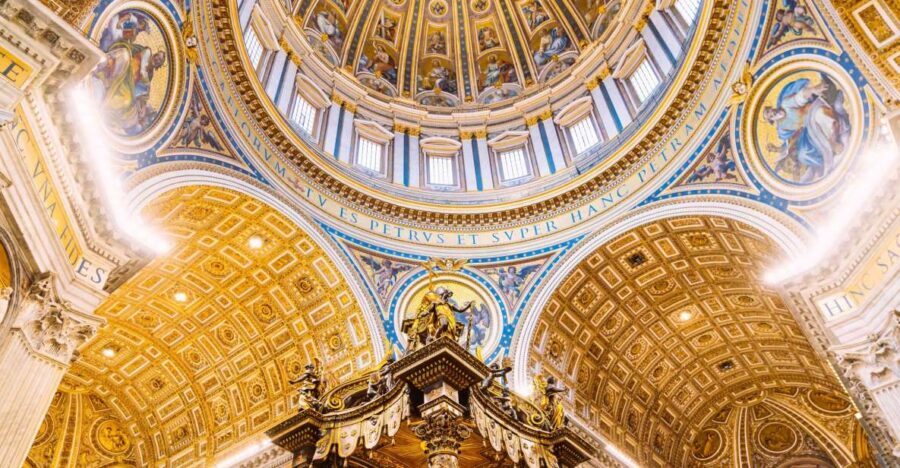
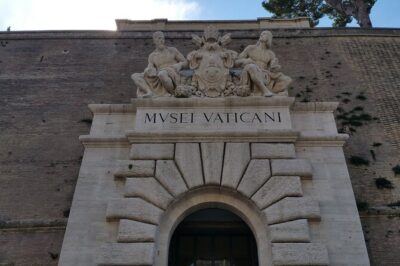
Once you start, the Vatican Museums don’t ease you in. They hit you with scale and variety—ancient sculpture, Pope-built collections, and galleries that were designed to show off taste like a power move.
Here are the stops that make this tour feel focused instead of random:
Pio Clementino Hall and the ancient stars
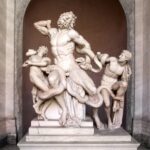
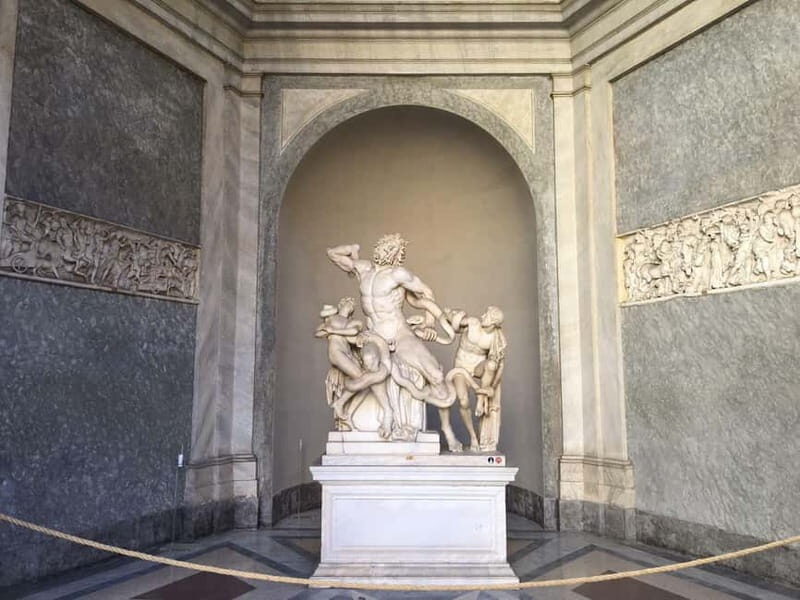
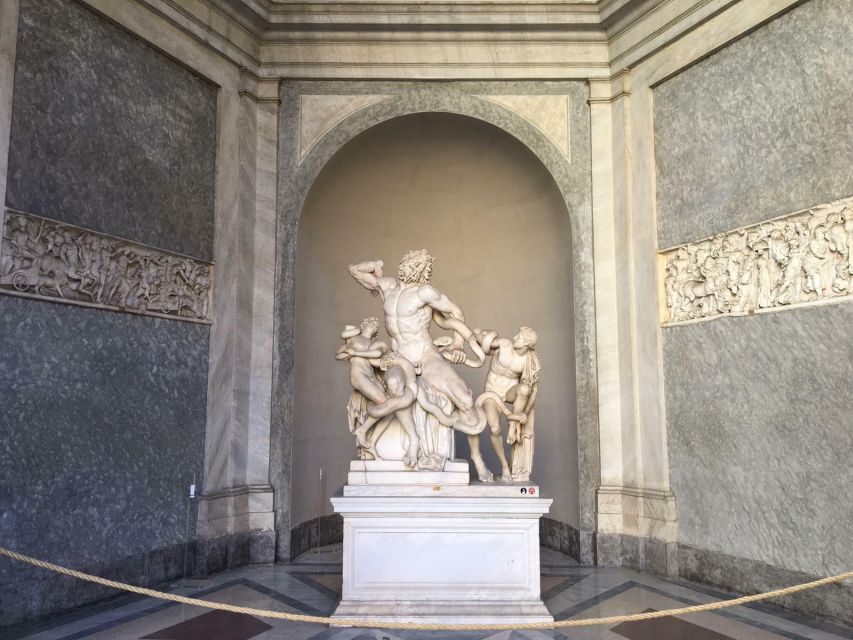
This is where the tour begins laying down the “classical backbone” of the Vatican’s art collection. Expect guided stops connected to major works like the Laocoon and Apollo Belvedere (you’ll see why these sculptures have been copied and studied for centuries).
If you’re the type who wonders what you’re looking at, the guide’s context matters a lot here. You don’t have to become an art historian, but you do need help turning “statues” into “ideas.”
Other Vatican Museums tours in Rome




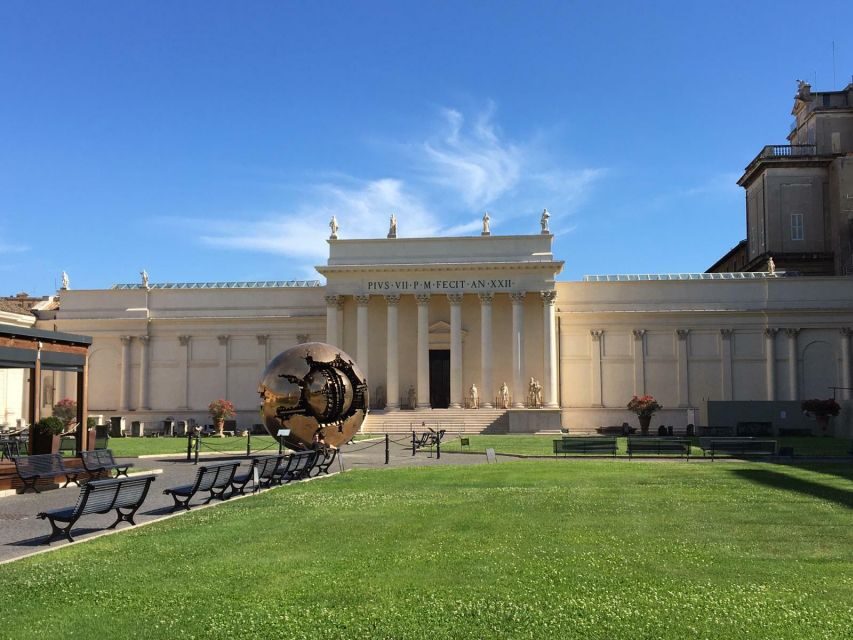
Cortile del Belvedere: the courtyard moment
After indoor galleries, you get a breather in the Cortile del Belvedere. It helps you reset visually before the tour shifts into more specific themed rooms.
Gallery of the Candelabra
This gallery is exactly what it sounds like: dramatic decorative elements that show how Renaissance and later artists and collectors thought about ornament, structure, and display. It’s the kind of place where “just walking through” doesn’t teach you what’s going on.
A good guide will point out what you should notice so you don’t miss the details.
Gallery of Maps, Candelabra, and Tapestries: How the Themes Pay Off

The Vatican Museums are not just a single museum. They’re a stack of themed experiences, and this tour leans into that.
Gallery of Maps: history turned into a visual wall
The Gallery of Maps is one of the more memorable stops because cartography can feel dry until you see it in context. Here, you’re looking at maps as political and cultural storytelling—art that happens to be geographic.
If you’ve ever wanted a “quick lesson” that makes your next museum stop easier to understand, this one does the job.
Gallery of Tapestries: Flemish works with a Raphael connection
The Gallery of Tapestries includes Flemish works connected to pupils of Raphael. This stop helps you connect the dots between Renaissance design and later production—who made what, and why certain styles spread.
If you’re not into textiles, don’t skip your attention. In a place like this, “craft” becomes “authority.” Seeing that relationship makes the whole museum feel less like random rooms and more like a curated message.
Candelabra Gallery: decoration that still tells a story
The Candelabra Gallery works as a visual palate cleanser—still elaborate, still important, but different in how it holds your attention. You leave it feeling like you’ve covered more than just big-name artworks.
Sistine Chapel in Real Life: 20 Minutes, One Huge Ceiling
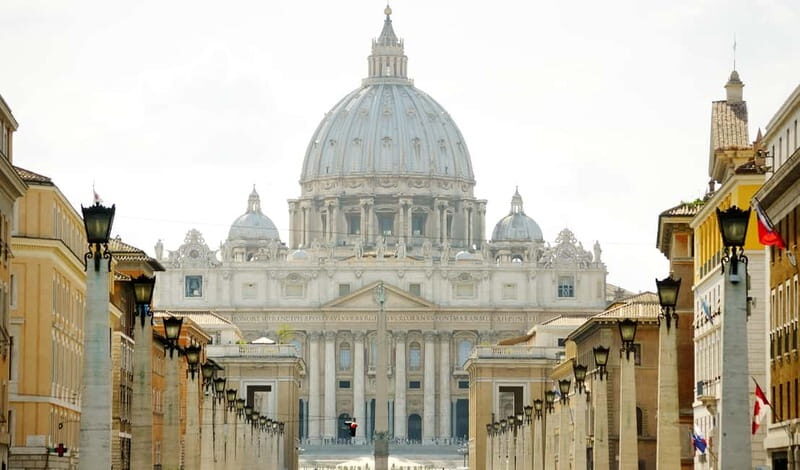
Let’s talk about the Sistine Chapel time. You get around 20 minutes inside. That’s short enough that you can’t treat it like a museum marathon, and long enough that you can still make it satisfying if you focus.
The tour includes a Sistine Chapel illustrated factsheet and official headsets, which is a practical combo for getting more out of the artwork. The guide also sets up what you’ll see before you enter, so you’re not standing under Michelangelo’s ceiling thinking, Okay… now what?
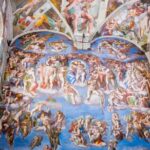
Michelangelo’s legendary frescoes are the headline. But the real win is learning how the scenes relate and what to look for, without needing to memorize Bible passages or art terminology.
What can go wrong
The biggest downside is also the simplest: the Sistine Chapel is a busy room with a strict visitor flow. If you drift away, it’s easy to get separated or miss the exact moment the group moves onward.
One practical tip: when your guide signals that you’re wrapping up in the chapel, keep your eyes up and stay with the group. It’s not dramatic, but it does matter.
St. Peter’s Square: Michelangelo and Bernini at Full Volume
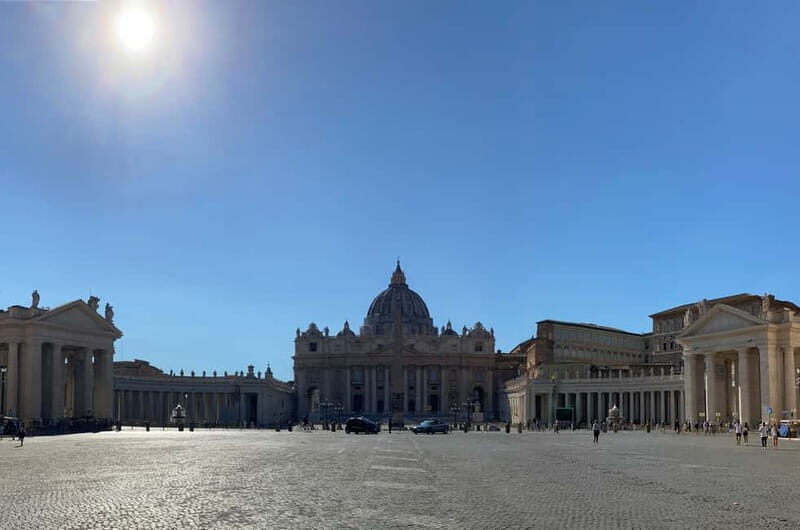
After the museums, you step into St. Peter’s Square, and the tone changes immediately. Inside feels like a maze of masterpieces; in the square, everything is about architecture and scale.
This part of the tour calls out two key elements:
- Michelangelo’s imposing cupola (you’ll feel it even before you fully understand it)
- Bernini’s double colonnade, the sweeping arms around the basilica area that guide the eye inward
St. Peter’s Square is also where the guide’s storytelling helps most. The architecture isn’t just decoration. It’s designed to shape movement and attention, like the building is steering the crowd.
You also get a guided walking transition from the museums into the square, which is valuable because it keeps the day flowing instead of turning into “now we figure it out.”
St. Peter’s Basilica: What You Get, What You Don’t
Here’s the clear part:
- A guided tour inside St. Peter’s Basilica is not included.
- At the end, you can enter the Basilica on your own for free.
So think of this as a bonus window. You’ll leave the tour with the square experience, and then you decide how much time to spend inside the church.
If your goal is the full basilica interior with someone narrating every stop, you’ll need a separate guided basilica add-on. If your goal is to see it without losing the day to one more tour format, this setup is a good compromise.
Timing and Pacing: The 3-Hour Reality Check
This is a 3-hour experience. That means you won’t do everything. You’ll do the best parts, in the right order, with enough context to enjoy them.
The pacing is ideal if:
- you’re short on time in Rome,
- you want a strong overview,
- you prefer being guided rather than wandering and guessing.
It’s less ideal if:
- you want long, quiet contemplation time,
- you struggle with crowds and constant walking,
- you need frequent breaks.
Also, note that this tour is not suitable for wheelchair users and people with mobility impairments, likely because of the environment and movement involved.
What to Wear and Bring So You Don’t Get Turned Away
The dress code is strict enough that it can make or break your day.
Bring:
- a long-sleeved shirt
- long pants
- a passport or ID card for children
Not allowed:
- shorts
- short skirts
- uncovered shoulders (so plan around shoulders, not just legs)
- weapons or sharp objects
- luggage or large bags
- pets (assistance dogs allowed)
And one more practical note: metal objects and big bags are forbidden. If you have something that could be flagged, leave it at your lodging. Keep what you carry simple.
This is one of those Rome moments where being prepared saves time and stress.
Who This Tour Suits Best (and Who Should Skip)
This tour fits best if you want:
- a tight, high-value museum highlight route,
- guided context that makes famous art feel understandable,
- priority entry to reduce wasted waiting.
It may not be the right match if you:
- rely on wheelchairs or mobility scooters,
- need a slower, more flexible pacing plan,
- prefer self-guided wandering and don’t want structure.
If you’re traveling with kids, it can work well because the guide’s explanations help, but make sure you’re ready for the clothing rules and the moving pace.
The “Most Praised” Reasons People Get Good Results
This tour earns its high rating for a few repeatable strengths:
- Skip-the-line efficiency: people consistently emphasize that it gets them into the art faster.
- Guide quality: many guides are praised for clarity, patience, and turning crowded rooms into something manageable.
- Focus on what matters: the guide points out highlights so you don’t miss the key works while staying on schedule.
- Sistine Chapel storytelling: even when conditions change, guides tend to adjust and keep the experience meaningful.
- Room to breathe inside the tour: some groups mention not feeling rushed with photos, which matters in a place where “look but don’t touch” rules create constant pressure.
One more practical note from real-world timing: after the Sistine Chapel stop, pay attention to regrouping. It’s easy to lose the line of sight if you stop too long or step off to the side.
Should You Book This Vatican Museums, Sistine Chapel & St. Peter’s Square Tour?
Book it if you want a smart Vatican day with priority entry, a small group, and a guide who helps you turn a huge collection into a story you can actually remember.
Consider skipping (or choosing a different format) if:
- you need wheelchair-friendly access,
- you hate crowds and tight group movement,
- you want more than 20 minutes in the Sistine Chapel.
My take: at this price, the value comes from avoiding queue time and getting a guided highlight path through rooms that are otherwise too big to enjoy. If you’re doing the Vatican on a schedule, this is a strong, practical way to do it.
FAQ
How long is the Vatican Museums, Sistine Chapel and St. Peter’s Square tour?
It runs for about 3 hours (starting times vary, so check availability for exact slots).
Where does the tour start?
You meet at the Brastours office.
How big is the small group?
The group is limited to 10 participants.
Does the tour include skip-the-line entry?
Yes. You get skip-the-line priority entry to the Vatican Museums and the Sistine Chapel.
How long do you spend in the Sistine Chapel?
The tour includes about 20 minutes inside the Sistine Chapel.
Are Raphael’s Rooms included?
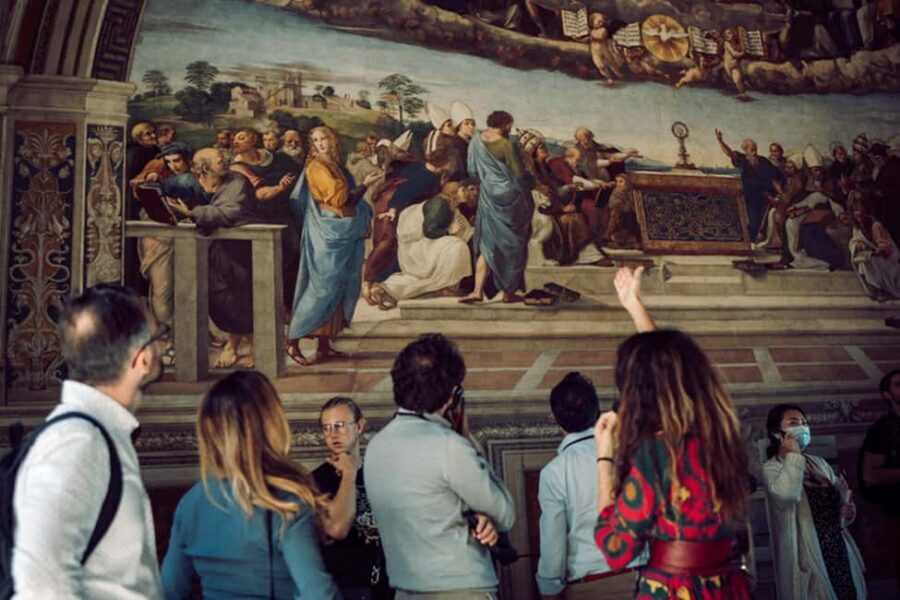
No. The Raphael’s Rooms are not included and are only visited if the Vatican makes them part of the internal itinerary.
Is a guided tour inside St. Peter’s Basilica included?
No. A guided tour inside St. Peter’s Basilica is not included, but you can enter the Basilica on your own for free at the end of the tour.
What languages are the guides?
The live guides operate in Spanish, French, and English.
Is this tour suitable for wheelchair users?
No. It is listed as not suitable for wheelchair users and also not suitable for people with mobility impairments.
What should I wear to enter?
Plan on long sleeves and long pants. Shorts, short skirts, and uncovered shoulders are not allowed.
More St Peter's Basilica Tours at the Sistine Chapel & Vatican
- Skip-the-Line Group Tour of the Vatican, Sistine Chapel & St. Peter’s Basilica
★ 4.5 · 12,779 reviews

More Vatican Museums Tours at the Sistine Chapel & Vatican
More Sistine Chapel Tours at the Sistine Chapel & Vatican
- Skip-the-Line Group Tour of the Vatican, Sistine Chapel & St. Peter’s Basilica
★ 4.5 · 12,779 reviews