REVIEW · ROME
Rome: Vatican Museum and Sistine Chapel Ticket & Guided Tour
Book on GetYourGuide →Operated by Walks Inside Rome · Bookable on GetYourGuide
One of the fastest ways into Vatican highlights. You get skip-the-line access to the Vatican Museums and Sistine Chapel with an English-speaking guide who explains what you’re looking at, not just what it is. The only real drawback: this is a lot of indoor walking in crowds, so plan accordingly if you move slowly or get uncomfortable in tight spaces.
I like that the tour keeps you moving through the key rooms without turning the experience into a sprint. When my guide Theodore led us, you could feel his genuine passion, and it made the art easier to understand (and easier to enjoy). He was also sharp about keeping paths clear when people blocked the flow—firm, but polite—which matters when you’re herded through major galleries.
In This Review
- Key Things to Know Before You Go
- Entering the Vatican Museums Without the Line Shuffle
- Your Guided Museums Walk: From Ancient Statues to Matisse-Scale Art
- Raphael Rooms: Frescoes That Reward Slow Looking
- The Sistine Chapel: How the Ceiling Becomes a Plain-English Story
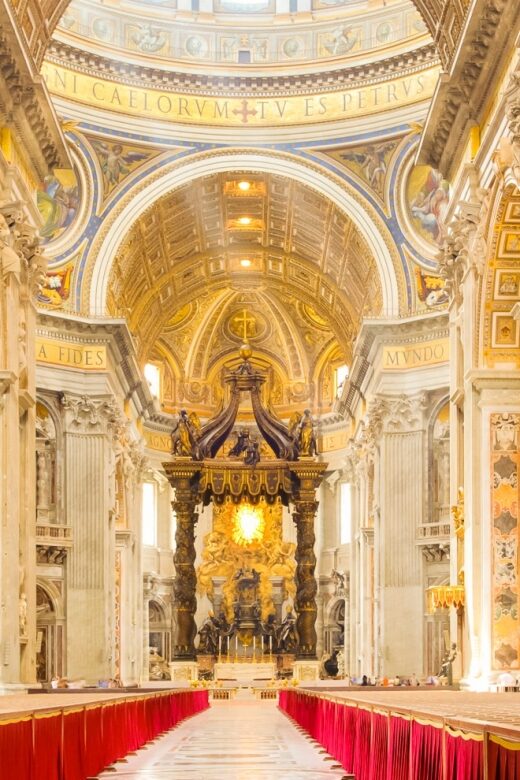
- St. Peter’s Basilica After the Chapel: Michelangelo’s Dome, Bernini’s Bronze, and the Pietà
- What the Price Gets You: Value for Skip Tickets Plus a Real Guide
- Practical Stuff That Makes or Breaks Your Day
- Should You Book This Vatican Museums and Sistine Chapel Tour?
- FAQ
- How long is the Vatican Museum and Sistine Chapel guided tour?
- Is skip-the-line access included?
- Where do I meet the guide?
- Is the Sistine Chapel ticket included?
- Does the tour include St. Peter’s Basilica?
- What language is the tour guide?
- What should I bring to the tour?
- What clothing rules should I follow?
- Are large bags or luggage allowed?
- Is it suitable for people with mobility impairments?
- Is there a cancellation option?
- Can I reserve without paying right away?
Key Things to Know Before You Go
- Skip-the-line entrance at the Vatican Museums helps you start sooner and waste less time in queues.
- A guided route through major eras takes you from ancient collections to Renaissance masterpieces.
- Raphael Rooms included, so you get more than the Sistine Chapel ceiling.
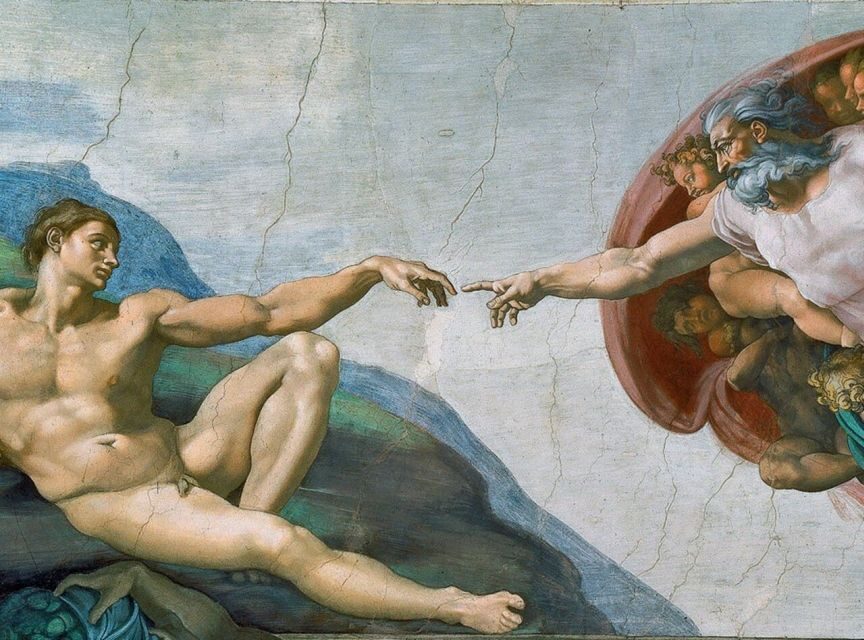
- Sistine Chapel explained as a story, with emphasis on key moments like Creation of Adam and Day of Judgment.
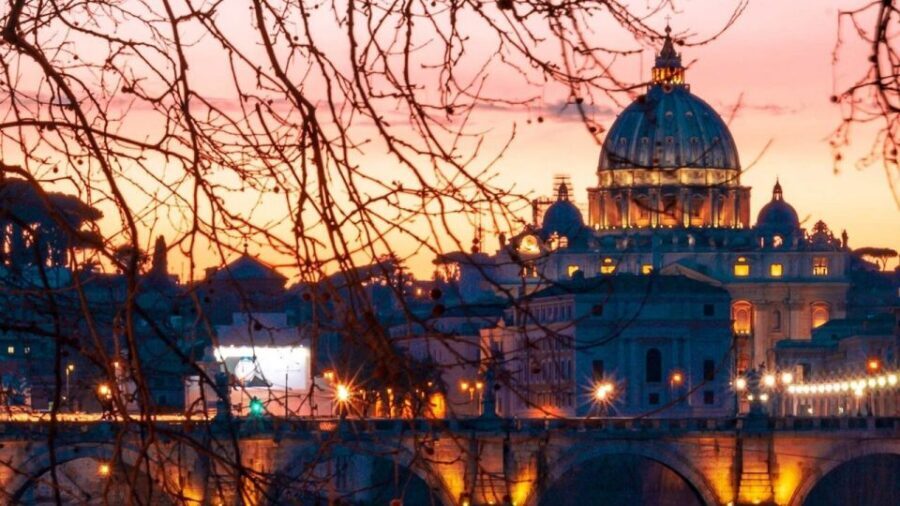
- You end in St. Peter’s Basilica, where the dome, Pietà, and Bernini’s Baldachin are part of the payoff.
- The guide can adapt for kids, and Theodore found hands-on ways to make it fun for younger travelers.
Entering the Vatican Museums Without the Line Shuffle
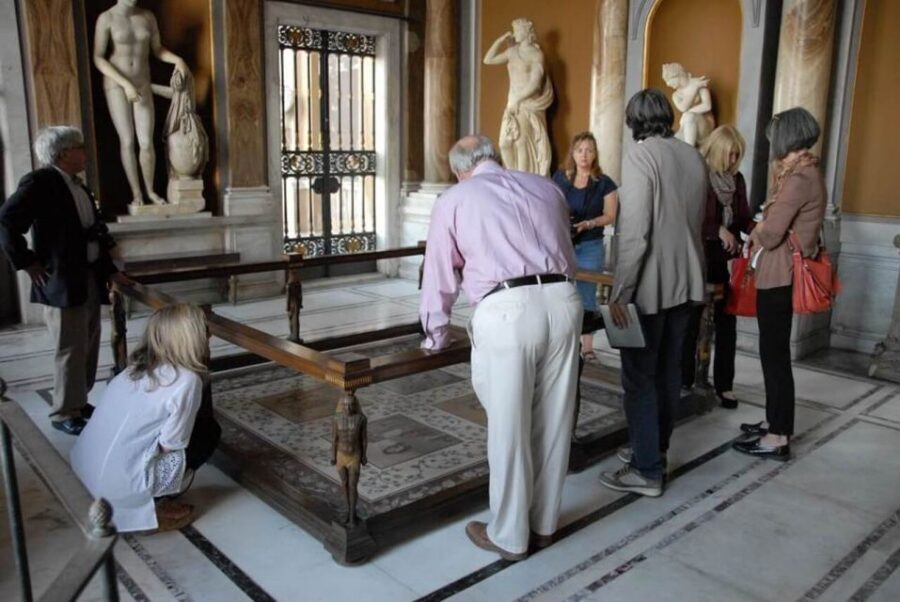
The Vatican Museums are famous for crowds, and the queue can swallow your morning. This tour cuts that stress with priority entrance and a skip-the-line route through a separate entrance. In practical terms, it means you spend more time in the rooms and less time standing around, which is exactly what you want when you only have a few hours.
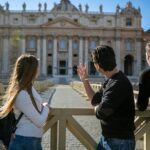
You meet at the Vatican Museums entrance, outside under the statue of Michelangelo and Raphael. That matters because it’s easy to spot, and it reduces the usual pre-tour panic of trying to match a group to the right building door. From there, your guide takes you to the main sections of the Vatican Museums and onward toward the Sistine Chapel.
The big value here is that you’re not just buying tickets. You’re buying time, structure, and interpretation. Without a guide, it’s easy to get swept along and remember only a few standout images. With a guide, you’re more likely to leave with an actual storyline of what you saw and why it matters.
Other Sistine Chapel tours we've reviewed in Rome
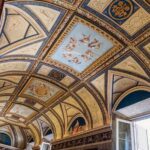
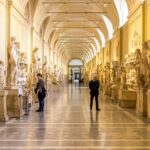
Your Guided Museums Walk: From Ancient Statues to Matisse-Scale Art
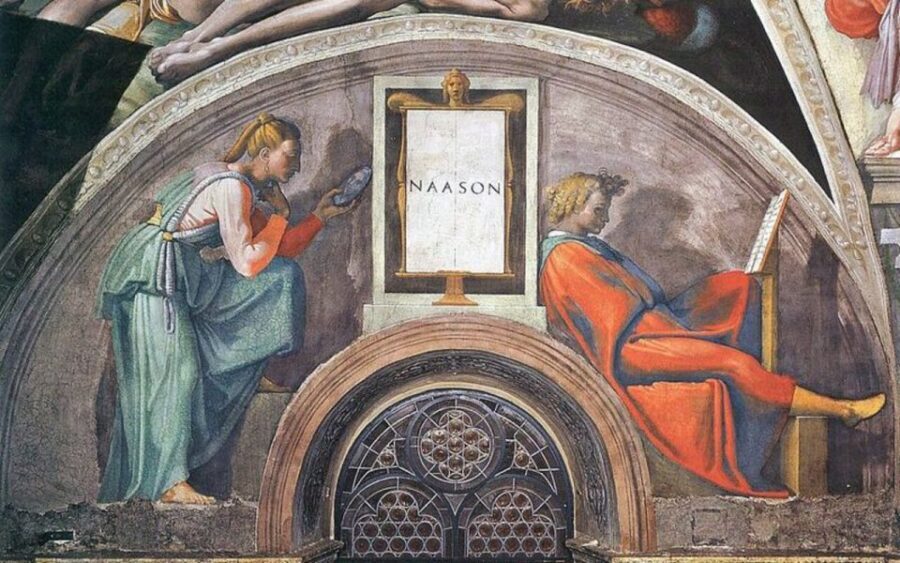
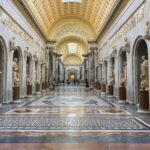
A good Vatican visit has a pace problem. There is simply too much art, and too many rooms. The route on this tour is built to give you the “most famous, most meaningful” pieces without turning it into a blur.
You’ll pass through collections that cover a very long stretch of time—from the Egyptian period through the end of the Renaissance. That timeline sweep is useful because it helps you understand that the Vatican isn’t only about one style or one era. It’s a museum built from many centuries of collecting and collecting taste.
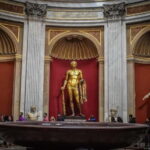
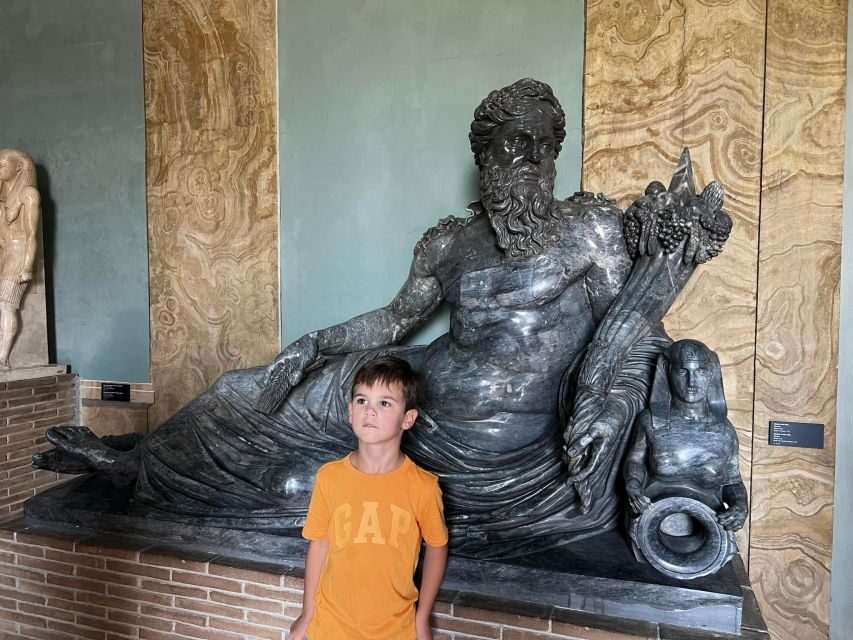
Along the way, you’ll see ancient statuary that anchor the classical section, including the Augustus of Prima Porta and the Apollo Belvedere. These works are more than impressive sculptures. With guidance, you notice how they communicate power, idealized beauty, and political messaging—ideas that keep echoing in later Renaissance art.
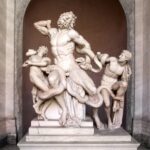
Then you move into Renaissance territory, where the visual language shifts. Instead of marble bodies and symbolic poses, you start seeing compositions designed to tell stories, build theology, and stage emotions. One of the standout details you may encounter is Laocoön and His Sons, a dramatic work that’s often hard to fully appreciate when you’re staring at it for a second. A guide’s pacing helps you actually look.
You’ll also come across large-scale works like the larger-than-life murals by Henri Matisse. That contrast is a nice reminder that the Vatican Museums aren’t trapped in the distant past. They’re a living collection of masterpieces across different styles and centuries.
What I like most about this part: the guide keeps the rooms from feeling like a checklist. You’re given reasons to pay attention—so you don’t just “see,” you understand.
Raphael Rooms: Frescoes That Reward Slow Looking
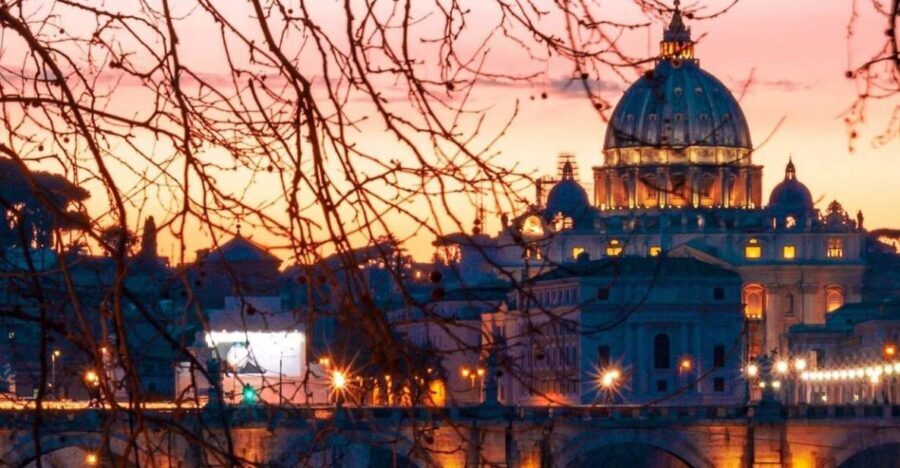
After you’ve set the timeline in your head with earlier galleries, the Raphael Rooms can feel like the reward part of the visit. These rooms are adorned with Raphael’s frescoes, and they’re famous enough that you can recognize the name quickly—but the effect in person is what makes them special.
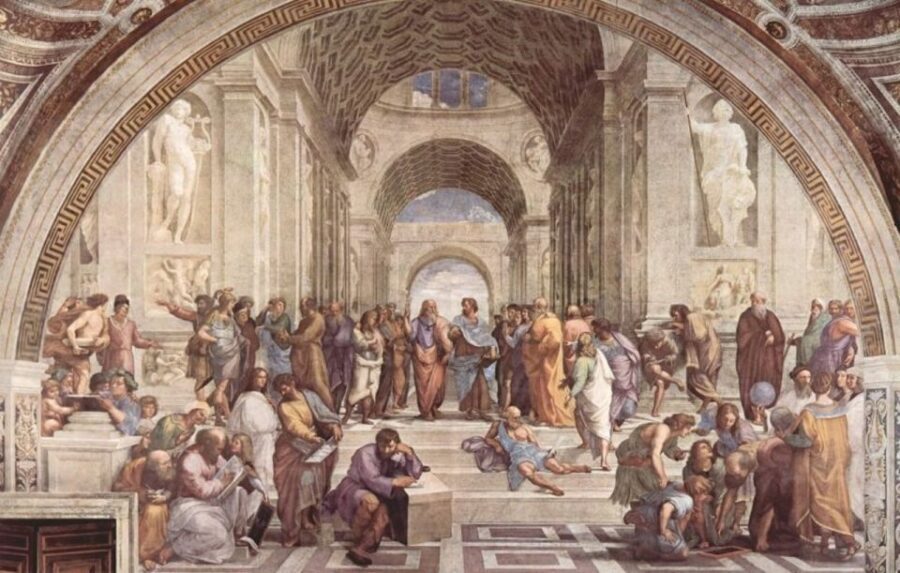
The Raphael Rooms are where decoration becomes communication. You can sense how the fresco cycles were built to persuade and instruct, with scenes that connect history, religion, and ideas about authority. With a licensed guide, you’re better prepared to spot the details that give each room its meaning instead of treating it like wall art.
This is also a place where crowd pressure makes people rush. If you try to fight the crowd, you’ll lose your spot in the group and end up missing context. Let the guide do the navigation. Then, when you stop at key frescoes, take a moment longer than you think you should. Even a few extra seconds helps you notice the structure of the composition and the way figures are arranged to guide your eye.
The Sistine Chapel: How the Ceiling Becomes a Plain-English Story
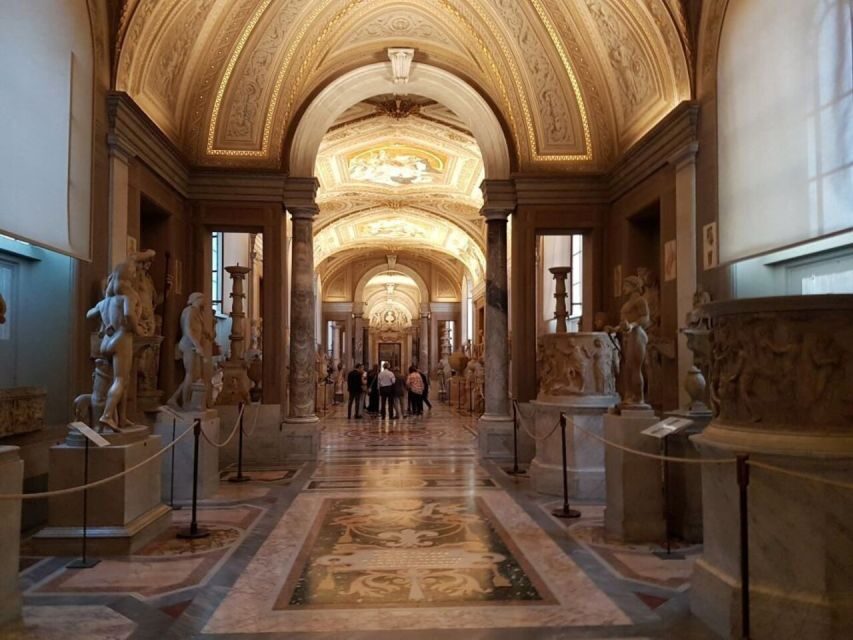
The Sistine Chapel is the main event, but it’s also where most people struggle most. The ceiling is high, the room is loud with whispers and phones, and time feels short. This is exactly why the guided part matters.
Your guide walks you through the Chapel’s artwork before you fully hit the big-ceiling moment. You’ll see a mix of works by artists connected to the Chapel’s program, including Botticelli, Perugino, and Ghirlandaio. The ceiling frescoes by Michelangelo then take over the room visually—and in this tour, your guide helps you connect what you’re seeing to the broader themes.
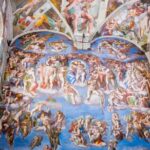
Two ceiling scenes are the ones most people remember first, and for good reason: Creation of Adam and Day of Judgment. A guide’s explanation helps you understand what makes these moments powerful, both artistically and spiritually, and why the surrounding scenes matter.
One practical reality: in the Sistine Chapel, you’re not controlling the pace. You’re inside a controlled flow space. What you can control is how you prepare yourself to look. When you hear the story in advance, the ceiling stops being a random set of famous images and becomes a connected sequence.
My biggest takeaway from this section: it’s not the art alone. It’s the way a guide helps you read it. That turns the Sistine Chapel from a single wow moment into something you can process.
St. Peter’s Basilica After the Chapel: Michelangelo’s Dome, Bernini’s Bronze, and the Pietà
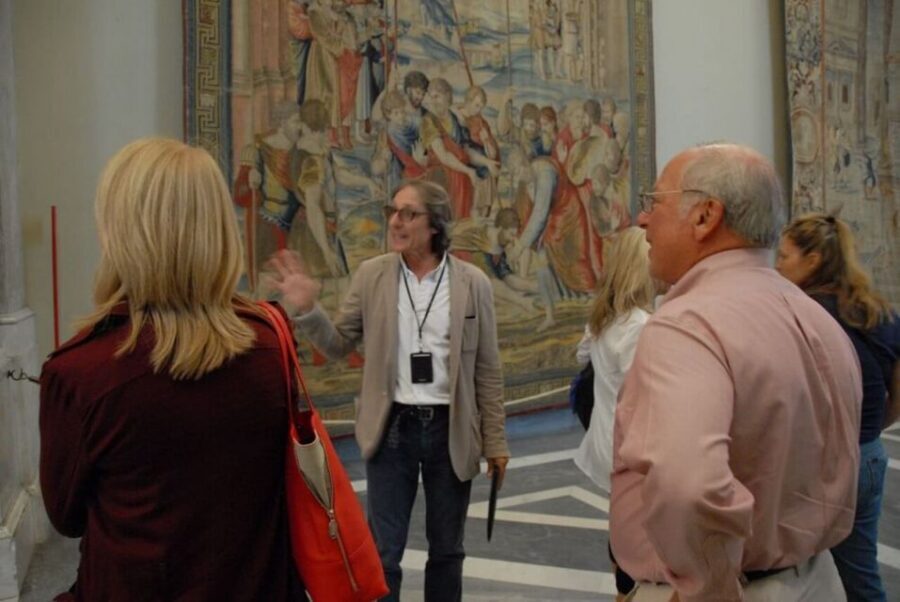
After the Sistine Chapel, the tour leads you into St. Peter’s Basilica. This is where the experience widens again, because instead of a painted ceiling, you’re in a massive church built for movement, scale, and awe.
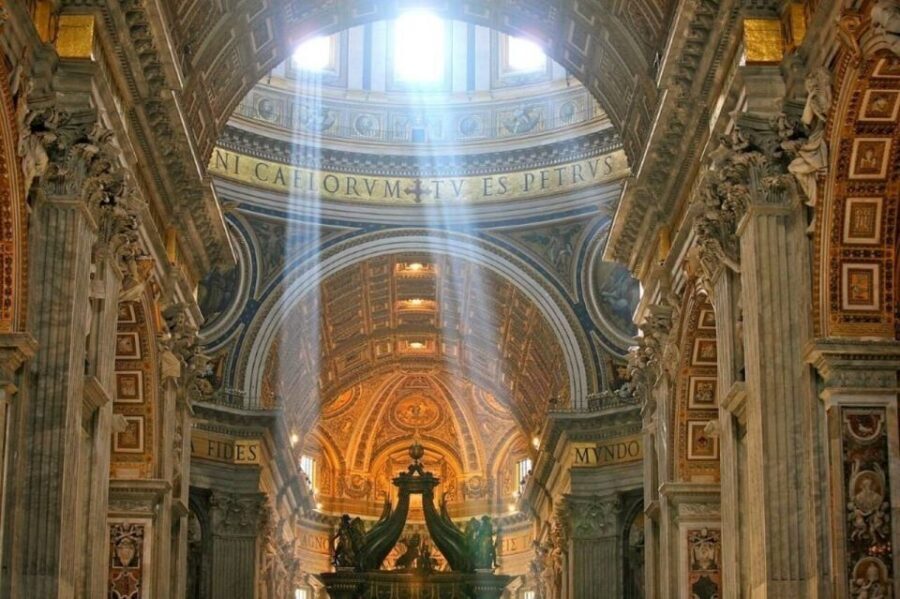
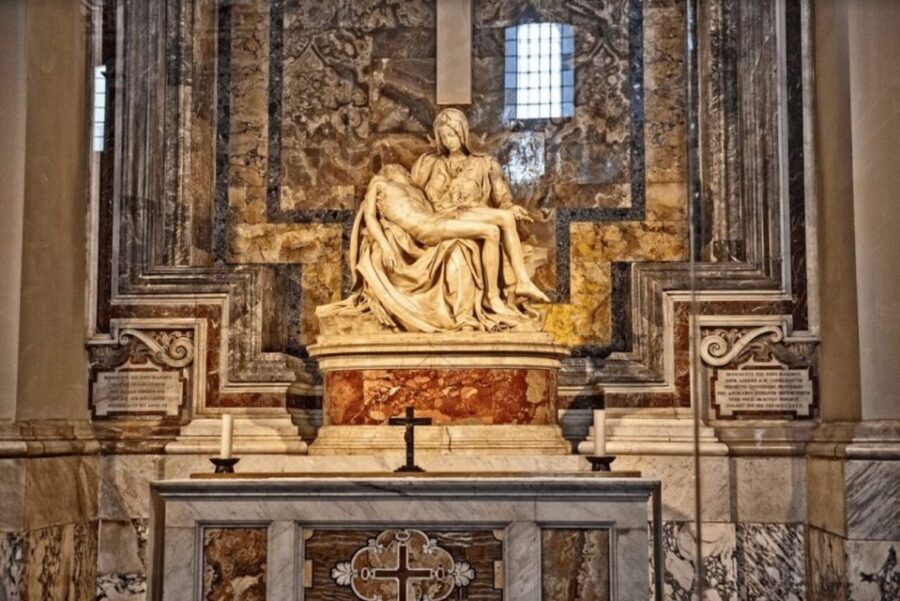
Your guide directs you to a monolithic entrance and then you enter the Basilica. From there, the highlights you may be able to see include Michelangelo’s dome, Michelangelo’s Pietà, and Bernini’s huge bronze sculpture Baldachin above the main altar. The main altar area is also associated with the presumed tomb of St. Peter.
This part is valuable because it gives you a complete arc: museum art collecting and storytelling first, then the living spiritual centerpiece of Vatican City. If you only did the museums and left, you’d miss the way Vatican art moves from gallery context into a sacred architectural setting.
It’s also a good place to reset your brain. The Sistine Chapel is focused and intense. St. Peter’s has more room to breathe, and the scale is its own kind of guide. Even if you don’t remember every detail, you’ll feel the space and its meaning.
Other Vatican Museums tours in Rome


What the Price Gets You: Value for Skip Tickets Plus a Real Guide
This tour costs $162 per person for about 3 hours. On paper, that’s not a bargain. But Vatican pricing rarely is. Here’s the value math that usually matters for this specific experience:
You’re getting:
- Vatican Museums skip-the-line tickets
- Sistine Chapel ticket
- A licensed English guide
- A guided visit that also includes reaching St. Peter’s Basilica highlights
That combination is why the price can make sense. You’re paying for time saved (skip-the-line), key access (Sistine Chapel ticket), and interpretation (the guide). If you’re the type who enjoys reading walls of art labels for hours, you might not need a guide as much. But if you want the most important works handled in a logical path, a guide is often the difference between confusion and connection.
For a 3-hour window, a structured route is also a safety net. You’re not gambling on figuring out what’s “worth it” while you’re inside the world’s most famous museum chaos.
So ask yourself this: do you want to optimize your time and understanding? If yes, the price starts looking more reasonable.
Practical Stuff That Makes or Breaks Your Day
A Vatican tour can feel smooth or frustrating depending on preparation. Here are the essentials you should take seriously.
What to bring
- A passport or ID card (you’ll need it).
Dress and rules
- No shorts
- No short skirts
- No large luggage or bags
- Nudity isn’t allowed
If you’re traveling with a backpack, this can be a moment to decide what you really need for a few hours. The smoother your entry day, the more you enjoy the art.
Comfort
- This tour isn’t described as suitable for people with mobility impairments.
- Even if you can walk fine, expect indoor walking and crowd flow.
For families
If you’re bringing kids, the guide quality matters even more. With Theodore, the approach included energy and simple interactive moments—like helping a child with a Pomodoro sphere activity. That kind of engagement can keep little attention spans from turning into meltdowns.
Should You Book This Vatican Museums and Sistine Chapel Tour?
Book it if you want a guided, efficient route with skip-the-line access and you care about understanding what you’re seeing. This is especially a good choice for first-timers who feel overwhelmed by the museum scale, or for anyone who wants the Sistine Chapel explained in a clear way instead of just staring upward and hoping it clicks.
I’d skip this option if you:
- Hate crowds and tight indoor spaces
- Need an accessibility-friendly plan tailored to mobility needs
- Prefer total freedom to wander slowly without following a timed path
If you want an organized Vatican experience that covers the major “must-see” moments—Raphael Rooms, Sistine Chapel ceiling highlights like Creation of Adam and Day of Judgment, then St. Peter’s Basilica sights like Michelangelo’s dome and Bernini’s Baldachin—this is a strong, practical way to do it in just 3 hours.
FAQ
How long is the Vatican Museum and Sistine Chapel guided tour?
It lasts about 3 hours.
Is skip-the-line access included?
Yes. You get skip-the-line access through a separate entrance for the Vatican Museums.
Where do I meet the guide?
You meet at the Vatican Museums entrance, under the statue of Michelangelo and Raphael.
Is the Sistine Chapel ticket included?
Yes, the Sistine Chapel ticket is included.
Does the tour include St. Peter’s Basilica?
Yes. The guide leads you to St. Peter’s Basilica and you can see major works there, including Michelangelo’s dome and the Pietà, as well as Bernini’s Baldachin.
What language is the tour guide?
The guide is licensed and provides an English-language tour.
What should I bring to the tour?
Bring a passport or ID card.
What clothing rules should I follow?
Shorts and short skirts are not allowed.
Are large bags or luggage allowed?
No. Luggage or large bags are not allowed.
Is it suitable for people with mobility impairments?
No, it is not suitable for people with mobility impairments.
Is there a cancellation option?
There is free cancellation up to 24 hours in advance for a full refund.
Can I reserve without paying right away?
Yes. You can reserve now and pay later.
More Guided Tours at the Sistine Chapel & Vatican

More Vatican Museums Tours at the Sistine Chapel & Vatican
More Sistine Chapel Tours at the Sistine Chapel & Vatican
- Skip-the-Line Group Tour of the Vatican, Sistine Chapel & St. Peter’s Basilica
★ 4.5 · 12,779 reviews