REVIEW · ROME
Rome: Vatican Museums and Sistine Chapel, Private Tour
Book on GetYourGuide →Operated by Welcome Italy by Spare Tour S.r.l. · Bookable on GetYourGuide
Three hours, endless art. This private Vatican Museums experience is interesting because it’s built around skip-the-line entry and a focused route through the Sistine Chapel, Raphael Rooms, and St. Peter’s. You’ll see major names like Botticelli, Raphael, Pinturicchio, Perugino, and Michelangelo, plus the big finish in the basilica.
I love two things most. First, the time you gain by avoiding the main entry crush. Second, the chance to stand in the Sistine Chapel for Michelangelo’s Creation of Adam. One drawback to keep in mind: with only 3 hours, you won’t slow-walk every corner, and you’ll want to dress correctly or security will be the buzzkill.
You’ll also travel with a live guide using headsets, which helps when the rooms are crowded and your group needs to hear every detail. And the tour ends in a place most people rush past: St. Peter’s Square and the basilica’s interior, including Bernini’s famous optical illusion called maternal arms of Mother Church—with one practical caveat that if the basilica is used for a religious ceremony, the tour may continue outside.
In This Review
- Key Highlights Worth Prioritizing
- A Private Route Through Vatican Museums Without the Line Stress
- Gallery of Maps and Raphael Rooms: Seeing the Vatican’s Backstage Logic
- Sistine Chapel in 15 Minutes: How to Make It Count
- St. Peter’s Basilica and Bernini’s Optical Illusion at the Finish
- How Long Is 3 Hours Here, Really? Timing, Heat, and What You’ll Miss
- Price and What You’re Really Paying For: $258.29 Per Person
- Dress Code and Practical Rules You Should Not Ignore
- Who This Private Vatican Tour Suits Best
- Should You Book This Vatican Museums and Sistine Chapel Private Tour?
- FAQ
- Where does the tour start?
- How long is the private tour?
- What do I get with the ticket?
- Does this tour skip the ticket line?
- What languages are available?
- What is the dress code for the Vatican Museums and St. Peter’s Basilica?
- Is the tour suitable for wheelchair users or people with mobility impairments?
- What if entry into St. Peter’s Basilica is prohibited?
Key Highlights Worth Prioritizing
- Skip-the-line entry: More art time, less time in the bottleneck.
- Sistine Chapel focus: You get Michelangelo’s ceiling moments on your route.
- Raphael Rooms and Gallery of Maps: You see the Vatican’s storytelling tools, not just single masterpieces.
- Guide-led secrets: You’re pointed toward standout details you might miss on your own.
- Headsets for clarity: Even in loud crowds, you’ll hear the guide without leaning.
- Smart finish at St. Peter’s: You connect what you saw in the museums to the basilica finale.
A Private Route Through Vatican Museums Without the Line Stress
If you’ve ever gone to the Vatican, you already know the main problem: lines. Even when you’ve got tickets, the shuffle can eat your best energy. This private tour is designed to solve that with skip-the-line entry into the Vatican Museums, so you can start looking right away instead of guessing how much time will evaporate.
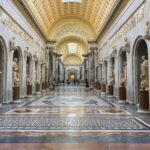
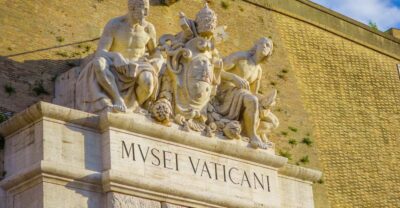
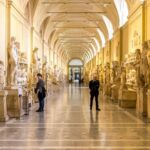
You meet at Via Santamaura, 60 and then move into the museum complex. The plan is a guided walk through major areas rather than an unstructured wander. That matters because the Vatican isn’t just big—it’s hard to navigate. The museum complex was originally conceived for the pope’s enjoyment, and it’s often described as a vast labyrinth of corridors and rooms. You’re given a route through the parts that make the whole place make sense.
One of the most practical benefits is pace. Your guide keeps the group moving at the right speed: fast enough to cover key sights, slow enough to actually see them. When you’re wearing a headset and following instructions, you don’t spend your time stuck at “wait, where do we go?” moments.
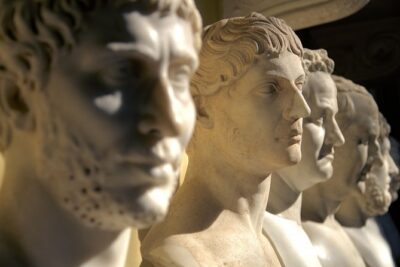
And the guide doesn’t just point at famous paintings. The tour is set up to show you how the Vatican collection hangs together—how names like Botticelli, Raphael, Pinturicchio, Ghirlandaio, Perugino, and Michelangelo show up across different rooms and themes. The museum can feel like a pile of masterpieces if you don’t have a thread. Here, you do.
Other Sistine Chapel tours we've reviewed in Rome
Gallery of Maps and Raphael Rooms: Seeing the Vatican’s Backstage Logic
After the main Vatican Museums time begins, you’ll hit a couple of stops that people often treat like side dishes. Don’t. The Gallery of Maps gives you something different from paintings and frescoes: it’s an art-and-politics display that helps you understand how the Vatican viewed the wider world. You’re guided through it with a short, focused visit, which is the right length for a room that rewards attention.
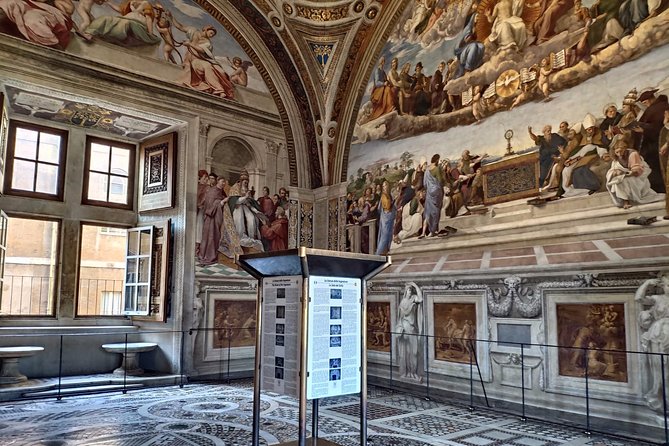
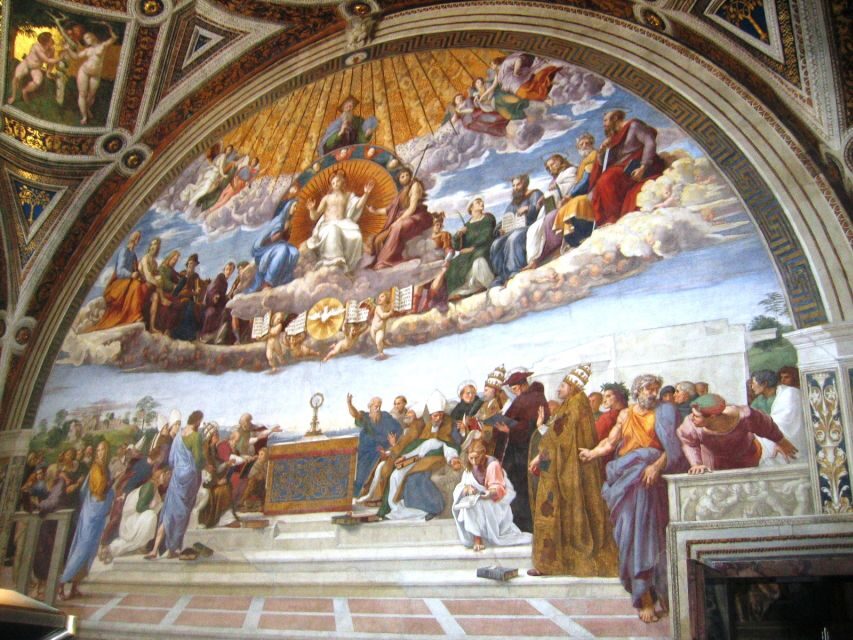
Then you move into the Raphael Rooms—a highlight for a reason. This part of the museum focuses on the former apartments of the popes. That detail changes how you experience what you’re seeing. You’re not just looking at art as museum objects. You’re seeing decoration that once lived in a place meant for power, ideas, and decision-making.
Raphael’s Rooms are also one of the best zones for people who like context. Your guide helps connect the works to their setting and to why the Vatican built these spaces the way it did. That’s where a private guide earns their keep: they can explain the significance without turning the tour into a lecture that you survive with your eyes only.
If you’re traveling with kids or with someone who doesn’t want to hear 20 minutes of theory, this is also a good area. The rooms tend to pull people in because they feel like “real rooms,” not just hallways of frames. The guide can tailor explanations, and the headset makes it easier to keep everyone synced.
A possible drawback here is simple: these are indoors, and they can be intense in warmer months. If you come in hot and underdressed, the Vatican will feel like a workout. That’s manageable if you plan ahead, but it’s real.
Sistine Chapel in 15 Minutes: How to Make It Count

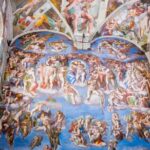
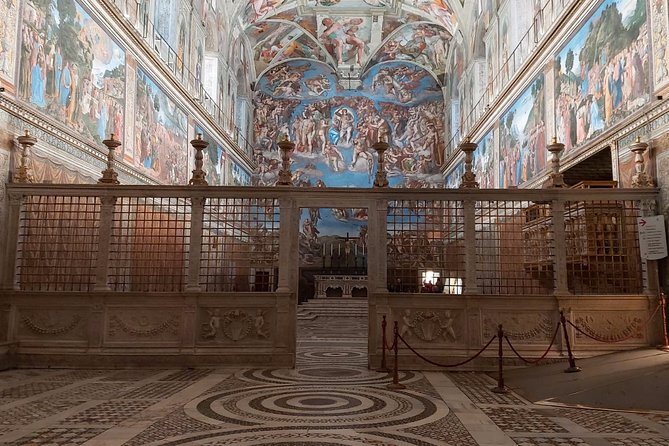
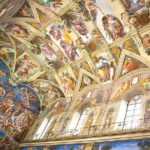
The Sistine Chapel is the part most people came for, and it’s the part you’ll want to approach with a strategy. You’ll enter the Sistine Chapel with a guided visit and spend about 15 minutes there, which sounds brief until you remember the alternative: you could wander for an hour and still miss the ceiling’s details.
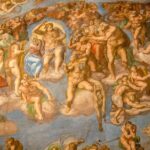
What makes this segment work on a private route is that you’re not left to guess where to look first. Your guide orients you toward the most famous fresco moments, including Michelangelo’s Creation of Adam. That one is usually the headline, but the ceiling is the real show. Standing there with guidance helps you see patterns and storytelling rather than just individual figures.
Here’s a tip that saves time and improves your experience: decide ahead of time what you want from the Sistine Chapel. If you want the big iconic moment, focus on it first. If you want atmosphere and storytelling, let your guide point you to the next visual idea after Creation of Adam. Either way, you’ll get more out of those 15 minutes by having your eyes ready.
Also, the Sistine Chapel has rules. You’ll want to plan for comfort so you don’t spend your time shifting positions. Comfortable shoes matter here more than in most places because standing and looking is part of the job. (And yes, it’s worth it.)
The tour does not try to turn the Sistine Chapel visit into a slow meditation. If you crave hours of silence and only one painting at a time, a timed-entry, guided structure might feel limiting. But if you want the best payoff in a short window, this format is built for that.
St. Peter’s Basilica and Bernini’s Optical Illusion at the Finish
After the Sistine Chapel, the tour shifts gears and heads toward St. Peter’s Basilica. The finish is important because the museum collection can sometimes feel like a world of its own, while St. Peter’s brings the story into a place that still functions as a major religious center.
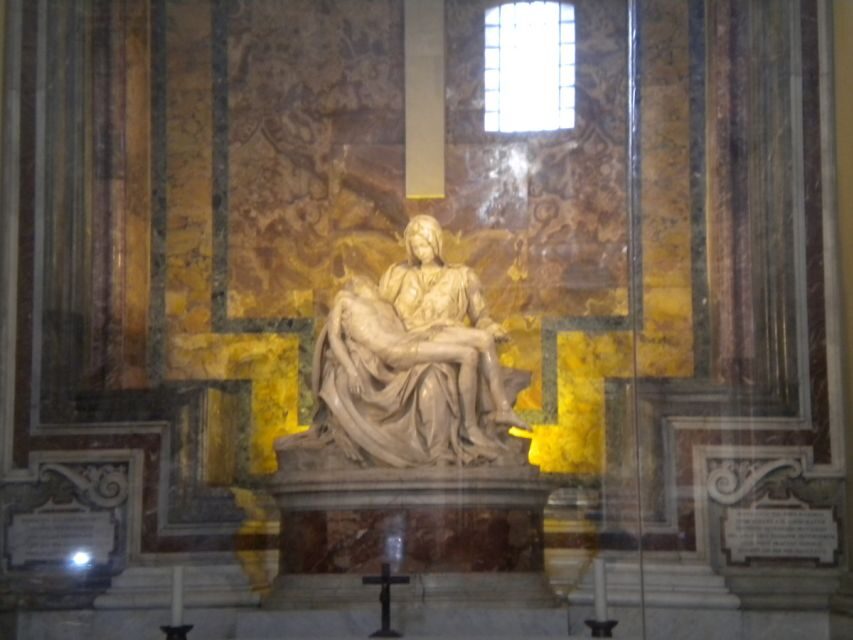
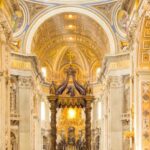
Inside St. Peter’s Basilica, you’ll admire large-scale architecture—vaults and domes—and see major artworks, including Michelangelo’s La Pietà. This is one of those artworks that can feel intimidating in photos. In person, it usually feels more immediate. Your guide helps you see it within the bigger space instead of treating it like a single stoplight moment.
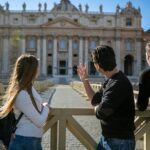
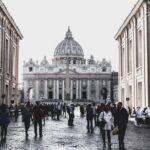
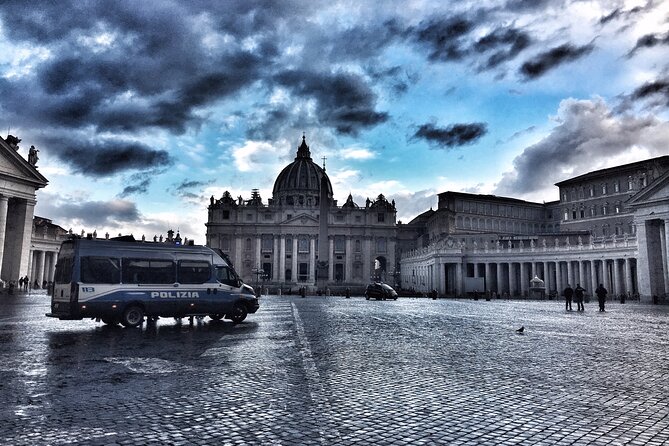
Then you end at St. Peter’s Square, where your guide points out Bernini’s optical illusion described as maternal arms of Mother Church. Even if you don’t memorize the explanation, you’ll get the idea: Bernini designed the space to make visitors feel held by the architecture. It’s one of those features that works best when someone tells you what to look for before you look.
One practical note: if St. Peter’s Basilica is being used for a religious ceremony or function and entry is prohibited, the tour will continue outside. That’s not ideal, but it’s good you’re not left in limbo. You still get the route and the square finish.
Also, since this tour ends in the basilica area, it’s a smart time to plan your next move—coffee, wandering, or just taking in the square after the official guidance has wrapped.
How Long Is 3 Hours Here, Really? Timing, Heat, and What You’ll Miss
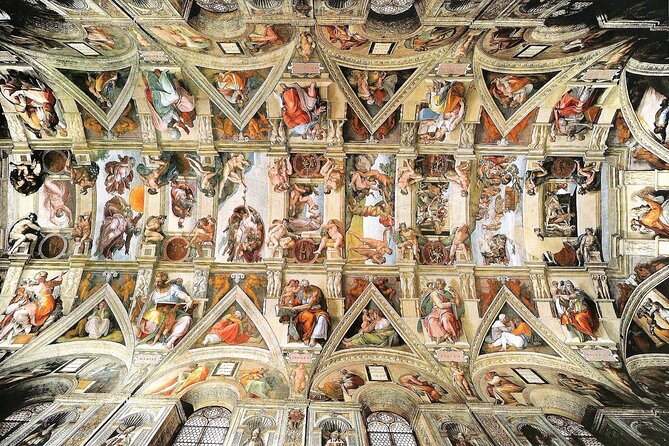
Three hours at the Vatican Museums can feel long or short depending on how you travel. Here’s the reality: you’re going to see major sights, but you’re not going to cover every single room. The museum complex is often described as stretching for many miles, with thousands of rooms—some sources say it’s about 9 miles of rooms and corridors, and that if you spent 60 seconds on every item it would take years. In other words, the Vatican isn’t built for “see everything.” It’s built for selection.
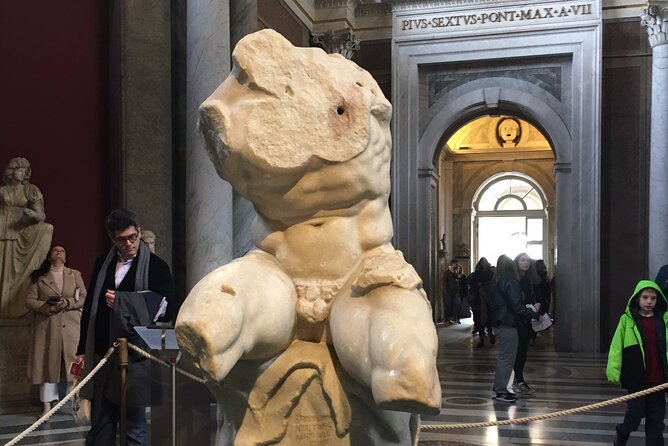
This tour uses selection. You’ll cover the Vatican Museums highlights, including a stop at the Gallery of Maps and the Raphael Rooms, then make the Sistine Chapel visit, then finish at St. Peter’s. That’s a coherent arc: art, then papal rooms and worldview, then the ceiling masterpiece, then the basilica finale.
Weather matters. In July, for example, it can be hot and the crowds can be intense. The tour is guided and focused, which helps, but you’ll still feel the summer pressure. Bring sunglasses and keep your water plan simple. Wear comfortable shoes because the day is mostly walking.
What you might miss if you choose this tour: the deep, slow museum wander—the “I want to read every plaque and get lost on purpose” experience. That style works better with extra time and an unguided plan. With a private 3-hour tour, you’re choosing breadth and impact over maximum absorption.
But that’s not a flaw. It’s a decision. If you want the classic Vatican hits and you want them explained, this timing is a strong match.
Other Vatican Museums tours in Rome


Price and What You’re Really Paying For: $258.29 Per Person
At $258.29 per person, this isn’t a cheap activity. The value comes from what’s included and what you gain with private guidance.
You’re paying for:
- an expert guide for about 3 hours
- entrance fee to the Vatican Museums and Sistine Chapel
- headsets, which improve comprehension in crowded rooms
- a skip-the-line setup so your time is protected
That skip-the-line piece can be the difference between feeling rushed and feeling in control. At the Vatican, “time” isn’t just time—it’s your stamina. If you lose 45 minutes waiting, you arrive into the museum tired and your eyes start searching for exits. Here, you spend that time looking.
You’re also paying for direction. The Vatican Museums are not a place where wandering automatically turns into discovery. With a guide, you’re more likely to see the “why this matters” layer, not just the “what it is” layer.
The private format also matters. This tour is for a private group, and the guide can adjust how they explain things. One of the most praised aspects is that guides handle mixed interests well—people who want details get details, while kids or family members can get explanations that keep them engaged.
If you’re traveling solo and you’d rather spend your time alone with a self-guided plan, this might feel expensive. But if you want a curated route with a human guide in a high-stress setting, the price starts to look more reasonable.
Dress Code and Practical Rules You Should Not Ignore
This is the part that can ruin a good day fast, so I treat it like pre-flight instructions.
The tour requires appropriate clothing. Shorts, short skirts, and sleeveless shirts are not allowed for both the entrance to the basilica and the Vatican Museums. Plan layers too, because indoor temperatures can vary, and you’ll be walking between sites.
You should also avoid bringing luggage or large bags. Think small and easy. You’ll be moving through security and crowded spaces, and the smoother you are, the faster you’ll get into the art.
What to bring:
- comfortable shoes
- sunglasses (especially helpful on bright days outside)
And if you’re thinking about accessibility: this tour is not suitable for wheelchair users and people with mobility impairments. The environment is the Vatican—lots of walking and standing.
Who This Private Vatican Tour Suits Best
This is a great fit if:
- you want the biggest Vatican hits in a short window
- you hate long lines and want your time protected
- you like art with context, not just labels
- you’re traveling with family and need explanations that can flex
It’s especially useful for groups where interests vary. A highlight from real experiences is that guides can engage young children and still satisfy an adult who loves history and details. That adaptability is a big reason to choose a private format, even when you’re short on time.
Who might want to rethink it:
- anyone who needs a very slow pace and lots of free roaming time
- people who require wheelchair access or have significant mobility limitations
- anyone who wants to avoid the Vatican’s dress-code rules (because those rules are strict)
Should You Book This Vatican Museums and Sistine Chapel Private Tour?
Yes, if your goal is to get maximum clarity from limited time. This tour is a smart choice when you want a guided route through the Vatican’s must-sees, plus a Sistine Chapel visit that focuses on the ceiling moments people come to see. The skip-the-line entry and headsets make it feel less chaotic than the standard approach.
Book it if you’re willing to follow the dress code and you’re comfortable with a brisk but guided pace. If you’re chasing a slow, self-directed museum day, you’ll probably want a different style of visit with more time.
For most people doing Rome for the first time—or for anyone who wants the “classic Vatican” experience without the stress—this private format is a solid value.
FAQ
Where does the tour start?
The tour starts at Via Santamaura, 60.
How long is the private tour?
It lasts about 3 hours.
What do I get with the ticket?
You get an expert guide for 3 hours, entrance fee to the Vatican Museums and Sistine Chapel, and headsets.
Does this tour skip the ticket line?
Yes. The tour includes skip-the-line entry at the main sites of the Vatican City.
What languages are available?
Guides are available in Spanish, English, and French.
What is the dress code for the Vatican Museums and St. Peter’s Basilica?
Shorts, short skirts, and uncovered shoulders are not allowed. Sleeveless shirts are also not allowed.
Is the tour suitable for wheelchair users or people with mobility impairments?
No. It is not suitable for wheelchair users or people with mobility impairments.
What if entry into St. Peter’s Basilica is prohibited?
If the basilica is closed for a religious ceremony or function, the tour will continue outside.
More Private Tours at the Sistine Chapel & Vatican

More Vatican Museums Tours at the Sistine Chapel & Vatican
More Sistine Chapel Tours at the Sistine Chapel & Vatican
- Skip-the-Line Group Tour of the Vatican, Sistine Chapel & St. Peter’s Basilica
★ 4.5 · 12,779 reviews