REVIEW · ROME
Rome: Vatican Museums & Sistine Chapel Private Evening Tour
Book on GetYourGuide →Operated by LivTours - We craft tours, you live them · Bookable on GetYourGuide
That Sistine ceiling hits different at night. This private Vatican Museums evening tour skips the long entry lines and lets you see the collections in gentler light, with less day heat and fewer crush-level crowds. I especially love how the route targets the big-name works (and the ones people walk past), and I like that the guide steers you to the spots where the art really clicks. One consideration: you’re still in a museum with rules, and the Sistine Chapel has strict silence and photography limits.
Two tour guides really shaped what I think you’ll value most: Giovanni’s style of pairing rare objects with clear stories, and Christina’s focus on showing you where to stand so you can appreciate Raphael without blocking anyone. It’s a strong choice if you want a thoughtful pace for about three hours, not a fast sprint. The one drawback to keep in mind is that it’s not built around breaks or stopping for food—so plan accordingly before you go.
In This Review
- Key highlights worth caring about
- Why a Vatican Museums night tour feels calmer and smarter
- Meeting at Café Vaticano: the fast start that changes the whole day
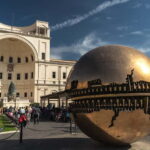
- Courtyard of the Pigna and Cortile del Belvedere: art with breathing space
- Gallery of Tapestries and Gallery of Maps: where the guide turns details into meaning
- Raphael Rooms: standing where Raphael worked in spirit
- Sistine Chapel at night: how to see 8,000 square feet without rushing
- Guide quality is the real upgrade (Giovanni and Christina’s impact)
- Price and value: when $288.88 makes sense
- Practical rules and timing tips so your night goes smoothly
- Who this tour is best for
- Should you book this Vatican Museums & Sistine Chapel private evening tour?
- FAQ
- How long is the Rome Vatican Museums & Sistine Chapel private evening tour?
- Where do we meet for the tour?
- Is this tour private?
- What languages are the live guides available in?
- Is photography allowed in the Sistine Chapel?
- Are backpacks allowed in the Vatican Museums?
- Do we need an ID for the tour?
- Is there free cancellation?
Key highlights worth caring about
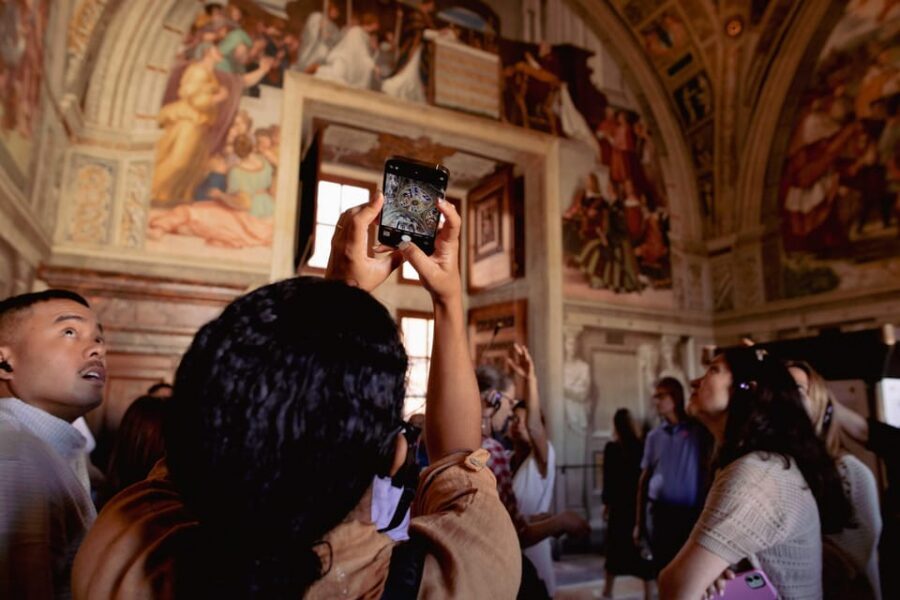
- Skip-the-line entry via a separate entrance so you spend time looking, not queuing
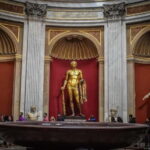
- Courtyard of the Pigna + Octagonal Courtyard for “pause and breathe” moments in the middle of the museum
- Gallery of Maps with 40 painted panels by Ignazio Danti, plus guidance on what to notice
- Raphael Rooms in the exact spirit of the workshop work, with help spotting details
- Sistine Chapel timing that uses evening light from the arched windows—especially memorable
Why a Vatican Museums night tour feels calmer and smarter
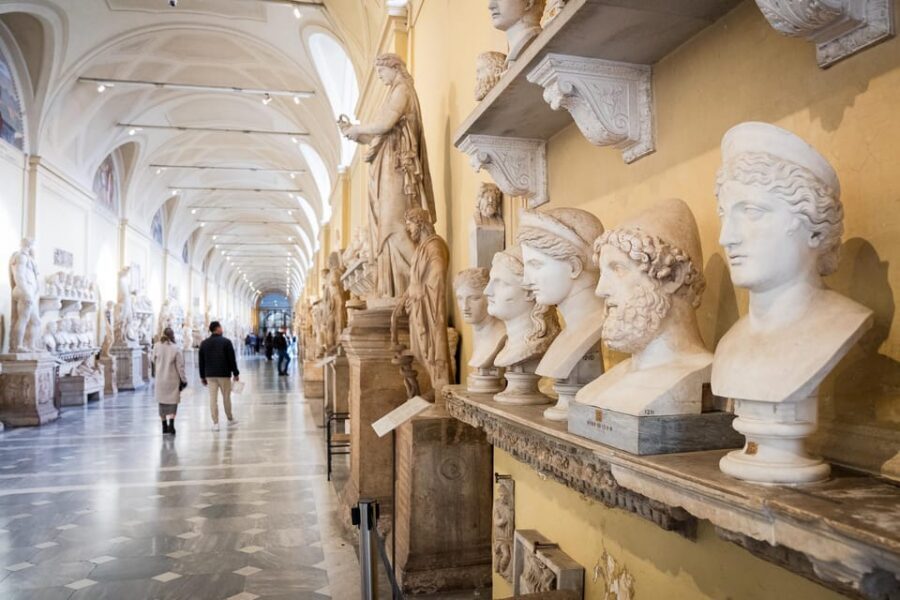
The Vatican is famous for its art, but it’s also famous for crowd pressure. A daytime visit can turn into a shuffle: you see things, but you don’t have time to look closely, and you keep adjusting to other people’s elbows. An evening tour solves a lot of that. As the light cools, you tend to move more slowly and absorb more.
This tour is built around that idea: you get privileged access to the Vatican Museums in the soft hours, with a live guide helping you prioritize. You’re not just wandering the galleries—you’re getting a route that points you toward the museum’s most important visual moments, and also toward sculpture and room details that usually get skipped.
And because it’s private, the pacing is different. Instead of “stay with the group or you’ll be left behind,” you get something closer to a guided conversation: “Here’s why this form matters,” “Here’s what to look for,” and “Here’s what people believed when this was made.”
Other Sistine Chapel tours we've reviewed in Rome
Meeting at Café Vaticano: the fast start that changes the whole day
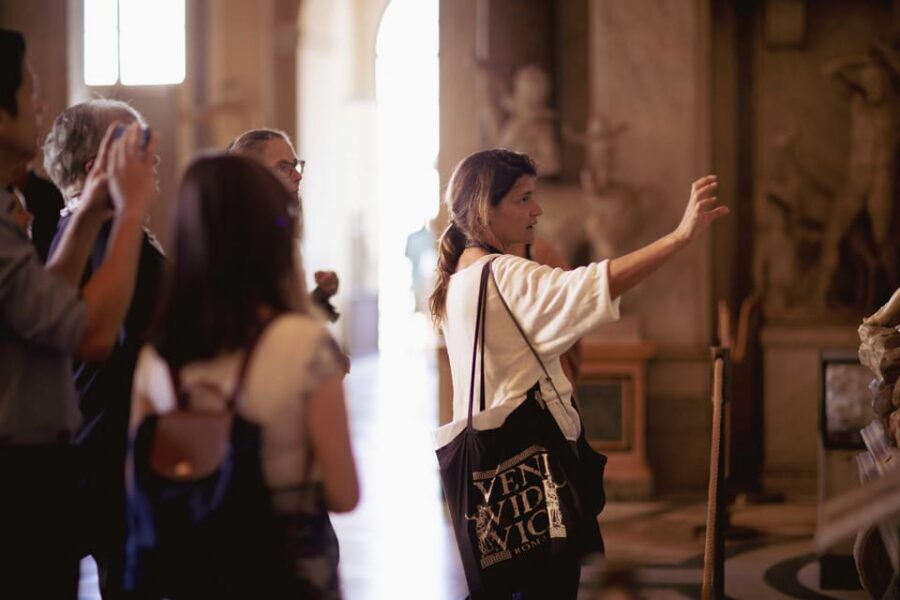
You meet at Café Vaticano, Viale Vaticano 100, across the street from the Vatican Museums entrance. It’s the kind of meeting point that’s easy to find once you’re on foot in the Vatican area, and it keeps things simple: you show up, you check in, and then you move.
The practical tip that matters most: arrive 15 minutes early. With any Vatican visit, small delays snowball—security, entrance flow, and finding your group. Getting there early helps you start the tour without that tight, stressed feeling.
From there, the biggest value is what happens next: you skip the long lines through a separate entrance. That doesn’t just save time; it changes your mood. You can focus on the first rooms and not waste your energy on waiting.
Courtyard of the Pigna and Cortile del Belvedere: art with breathing space
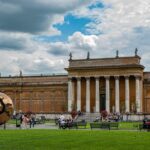
The first courtyard stop is the Courtyard of the Pigna. Courtyards can feel like a break, but in the Vatican they’re part of the story—big architecture framing big art. In the evening, that framing helps. You’re not fighting bright midday glare. You can actually watch how shadows fall, and you get a sense of how the museum’s layout guides your movement.
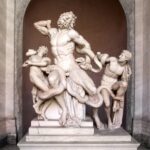
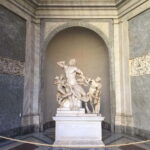
Next you head to Cortile del Belvedere, which comes with the feel of a palace complex rather than a single museum hall. This is where the guide’s direction becomes especially useful. You’ll see key sculpture highlights—such as the Laocoon and Apollo pieces mentioned as part of the tour—along with the Belvedere Torso. Even if you’ve seen photos before, a guided stop helps you notice what makes these works influential: proportions, finishes, and the kinds of sculptural decisions that later artists studied.
A small consideration: if you’re expecting a mostly sitting, low-walking experience, it’s not that. Courtyards and palace-like spaces still require steady movement, and museum floors add up over three hours. The upside is that the route keeps you from getting lost in the vast building.
Gallery of Tapestries and Gallery of Maps: where the guide turns details into meaning
After the courtyard moments, you move into the galleries that many people rush through. Here’s the smart part: the evening tour doesn’t just cover the “must-see” rooms; it builds in specific stops that reward attention.
First up is the Gallery of Tapestries. These works relate to designs by Raphael’s students. If you only know the word tapestry from history class, you’ll be glad you stop. The guide can help connect what you’re seeing to the broader Renaissance world—how these designs traveled ideas, how patterns and figure work functioned, and why they mattered in a space like the Vatican.
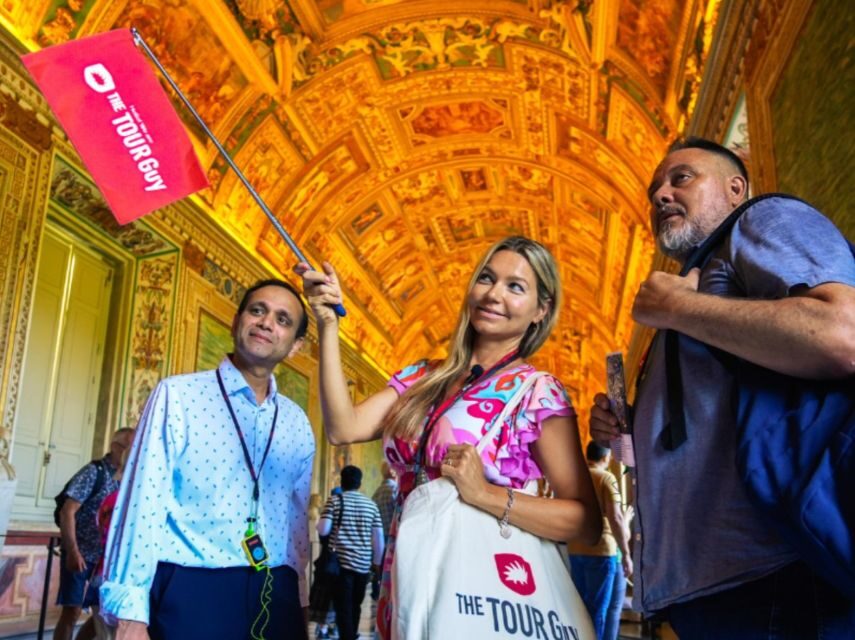
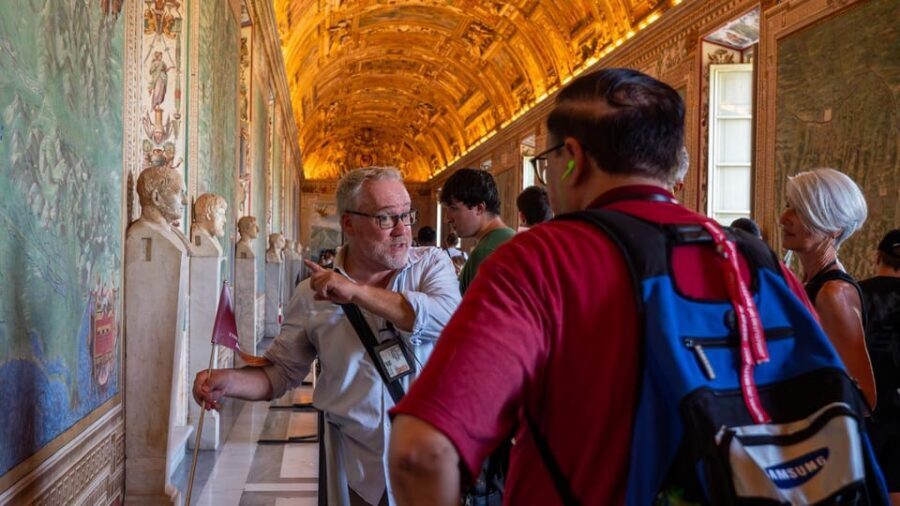
Then comes one of the most practical and satisfying stops for your eyes: the Gallery of Maps. This section features 40 painted topographical panels created by Ignazio Danti. Even if you’re not a geography person, maps inside a museum are fascinating because they’re not just measurements—they’re worldview. A good guide points out what to look for so it doesn’t become a long line of similar images.
How to get the most out of it: take a moment to slow down in each room. In a crowd-heavy daytime visit, people keep walking. On a night tour, you can actually pause and compare details.
Raphael Rooms: standing where Raphael worked in spirit
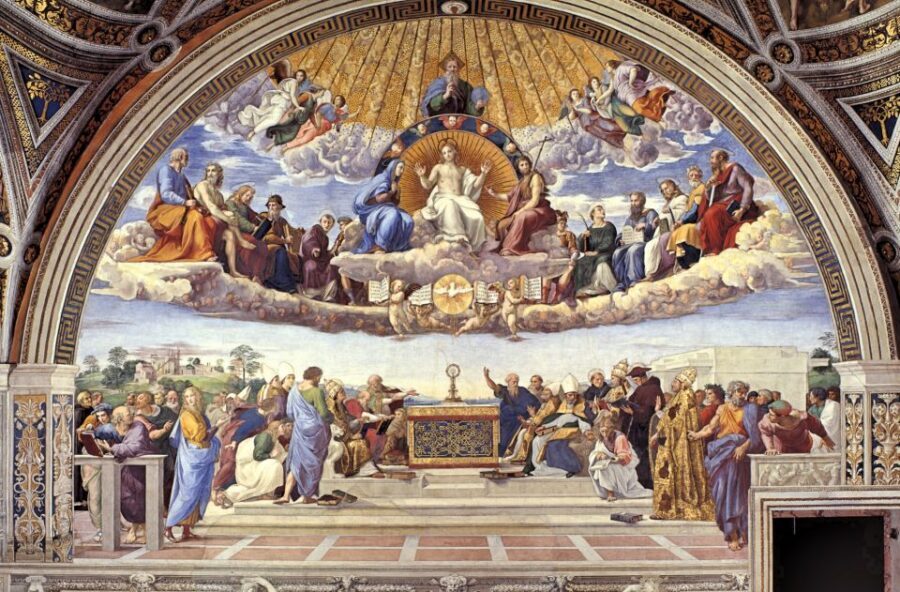
The tour then moves you into the Raphael Rooms. This is one of those areas where timing and guidance genuinely matter. The rooms are full of paintings that people recognize by name, but the real experience is noticing the craft—composition choices, how figures interact, and how scenes communicate.
The description of the tour highlights that you’ll be guided with stories tied to where Raphael spent countless hours painting. You also get The School of Athens included as a highlighted masterpiece. If that title is familiar, great; you’ll still benefit from the guide’s attention to how the figures are arranged and why that scene is such a big deal in art education and European culture.
A key benefit you’ll feel during this part: the guide helps you avoid blocking other people while you look. Christina’s approach (from what I’ve learned about her style) especially stands out here—she focuses on where to stand so you can actually see the paintings clearly without turning yourself into a sidewalk traffic hazard.
Other Vatican Museums tours in Rome

Sistine Chapel at night: how to see 8,000 square feet without rushing
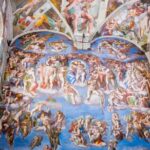
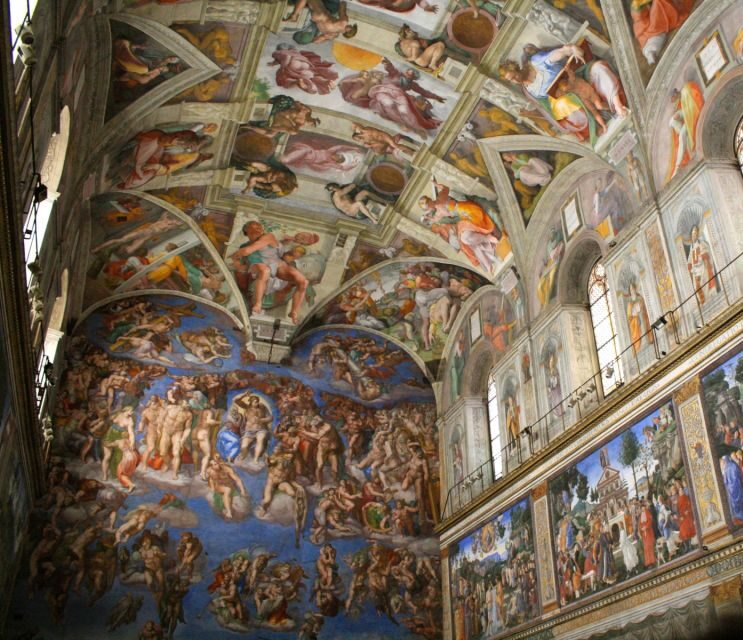
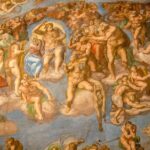
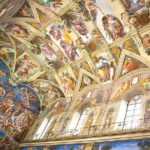
Finally, you reach the main event: the Sistine Chapel. The tour is designed so you arrive with the evening mood working in your favor. In the description, you get a special emphasis on evening light reflecting from the lunette arched windows. That’s not a throwaway detail. Light changes how you perceive paintings—skin tones, fresco contrast, and the feeling of depth all shift when the room isn’t blasting under midday sun.
Now, about the rules—these are not optional:
- No flash photography, and no photography at all inside the Sistine Chapel
- Silence is mandatory once you’re in the chapel
- Your guide provides explanations beforehand to help you understand what you’re seeing before you have to go quiet
That silence can feel awkward if you’re used to talking through museums, but it also makes the chapel experience stronger. You start noticing your own breathing, how the room sounds, and how your eyes move across the ceiling and walls.
Even the tour framing about the ceiling matters here: you’ll spend time admiring the masterpiece area described as about 8,000 square feet, created in about four years. If you’ve ever seen the Sistine ceiling in one photo and felt like it didn’t match what people said, this is where a real visit fixes that. Up close, the figures, gestures, and layout do what a single image can’t.
Guide quality is the real upgrade (Giovanni and Christina’s impact)
It’s easy to say a “private tour” is better. The truth is: sometimes it isn’t, because you’re still paying for a guide who can’t translate what you’re looking at.
Here, the guide quality seems to be the main reason people rate this so highly. Giovanni’s tour style is described as focused on rare, unusual objects and stories with dates and significance. That matters because the Vatican isn’t one big painting—it’s a long conversation across centuries. When a guide ties the pieces together, you stop feeling like you’re sightseeing and start feeling like you’re understanding.
Christina’s approach is especially helpful if you like structure. She’s described as showing important sculpture in areas most people skip, and sharing how to stand to appreciate Raphael while staying out of the way. That kind of guidance is practical. It reduces the frustration of being stuck behind taller visitors or missing key details because you picked the wrong angle.
If you care about seeing more than the top five highlights, a tour like this is a strong match. You’re not just ticking boxes; you’re getting help making sense of the museum.
Price and value: when $288.88 makes sense
The price here is $288.88 per person for a private group tour lasting about three hours. That’s not “cheap,” but it’s also not random. You’re paying for several things at once:
- Skip-the-line access through a separate entrance
- A guided route through the museum’s key areas, including major sculpture and Raphael and Sistine highlights
- A focused evening time slot, which can be a better experience than chasing daylight crowds
Whether it’s good value for you depends on your traveling style. If you love museums and you hate lines, you’ll feel the value fast. If you’re the kind of visitor who enjoys wandering on your own and you’re comfortable studying galleries without guidance, you might get similar inspiration from other options at lower cost—but you’ll likely spend more time deciding where to go.
One more value point: because it’s private, you can get explanations matched to what you care about—sculpture, maps, Renaissance painting details, or the Sistine Chapel ceiling. That customization is hard to replicate on a mass tour.
Practical rules and timing tips so your night goes smoothly
A few “know this before you go” items can save you from an awkward scramble at the entrance:
- No photography inside the Sistine Chapel (and no flash)
- Silence once you’re in the chapel
- Backpacks aren’t permitted in the museums
- Bring government-issued ID for all guests, regardless of age
- The tour is wheelchair accessible and listed as suitable for a private group with mobility adjustments possible if you contact the provider early
- Guides are available in Spanish, English, and French (you can also choose other languages under additional notes)
Also plan for basics: food and drink aren’t included. If you go straight from a long day out in Rome, you may want water and a light snack before the start time so you don’t end up thinking about your stomach during sculpture and fresco time.
Who this tour is best for
This evening format is especially good for:
- People who’ve heard about the Vatican but want a route that doesn’t waste time
- Couples or small groups who want the Vatican without the day-trampling feel
- Visitors who learn best through stories—dates, context, and why particular works matter
- Art lovers who want Raphael and the Sistine Chapel with calm and guidance, not a noisy rush
It can be less ideal if you want to spend lots of time lingering alone in every room, because the structure is part of the benefit. Also, if you’re very sensitive to silence, the Sistine Chapel rule is a big deal—this tour supports it with explanations first, but you still have to follow the rules.
Should you book this Vatican Museums & Sistine Chapel private evening tour?
Yes—if you want maximum art time and minimum line time, this booking is an easy recommendation. The evening approach changes the whole feel of the Vatican, and the tour focuses on the kind of highlights that reward a guided route: Courtyard of the Pigna, Cortile del Belvedere, the Gallery of Tapestries, the Gallery of Maps, the Raphael Rooms (including The School of Athens), and the Sistine Chapel ceiling experience.
You might skip it only if your priority is independence over guidance, or if paying a premium for skip-the-line access doesn’t fit your budget. If your goal is to leave feeling like you actually understood what you saw—and not just what you walked past—this is a strong choice.
FAQ
How long is the Rome Vatican Museums & Sistine Chapel private evening tour?
The tour lasts about 3 hours.
Where do we meet for the tour?
You meet in front of Cafè Vaticano at Viale Vaticano 100, across the street from the Vatican Museum entrance.
Is this tour private?
Yes, it’s listed as a private group.
What languages are the live guides available in?
The tour offers live guides in Spanish, English, and French.
Is photography allowed in the Sistine Chapel?
No. The tour information says there is no photography inside the Sistine Chapel.
Are backpacks allowed in the Vatican Museums?
No. Backpacks are not permitted in the museums.
Do we need an ID for the tour?
Yes. All guests must present a government-issued ID.
Is there free cancellation?
Yes. Free cancellation is listed up to 24 hours in advance for a full refund.
More Private Tours at the Sistine Chapel & Vatican
More Vatican Museums Tours at the Sistine Chapel & Vatican
More Sistine Chapel Tours at the Sistine Chapel & Vatican
- Skip-the-Line Group Tour of the Vatican, Sistine Chapel & St. Peter’s Basilica
★ 4.5 · 12,779 reviews