REVIEW · ROME
Skip the Line Tour: Vatican Museums and Sistine Chapel
Book on Viator →Operated by Greenline Tours · Bookable on Viator
The Vatican is big, but this tour makes it manageable. I like the skip-the-line fast-track entry and the way the guide points out what matters in the Gallery of Maps and the Gallery of Tapestries. My one real caution: the experience is often fast-paced, so if you want long, quiet stare-time, plan to feel a little herded.
You also get a practical advantage before you even reach the art: an air-conditioned coach ride into Vatican City with commentary along the way. And once you’re there, hearphones help keep the explanations clear in crowded rooms. Still, expect the day to be defined by crowds and security lines, even when you’ve pre-booked the timed entry.
In This Review
- Key points before you go
- Skip-the-Line Reality Check at the Vatican Museums
- Getting There: The Coach Ride from Rome to Vatican City
- Museum Highlights That Actually Matter (Maps, Tapestries, and More)
- Sistine Chapel: What You’ll See and How Long You’ll Have
- St. Peter’s Basilica and La Pietà: Closing the Loop
- Pace, Crowds, and Why Great Guides Make a Difference
- Dress Code, Security, and Comfort Tips You’ll Be Glad You Follow
- The Price: What You’re Really Paying For
- The Full-Day Christian Rome Upgrade: When You Want More Than Vatican Walls
- Who This Tour Fits Best (and Who Should Think Twice)
- Should You Book This Skip-the-Line Vatican Tour?
- FAQ
- Is the tour in English?
- How long is the tour?
- Where do I meet for this experience?
- What’s included and what’s not included?
- Do I need to go through security, and what should I wear?
- What if St. Peter’s Basilica is closed?
Key points before you go
- Skip-the-line Vatican Museums entry: you avoid the long general entrance queues (but not security).
- Hearphones included: easier listening when the group is moving fast.
- Small group size (max 20): helps you stay together instead of drifting like lost students.
- Strict dress code: shoulders and knees covered, or you’ll be refused entry.
- Sistine Chapel time can be brief: on busy days, it’s more “see it” than “soak in it.”
- St. Peter’s may shift: if St. Peter’s Basilica can’t be visited, you’ll spend more time in the museums.
Skip-the-Line Reality Check at the Vatican Museums
This is one of those Rome experiences where skip-the-line is not a magic spell, but it’s still a lifesaver. You’re booking a fast-track entrance ticket specifically to get into the Vatican Museums without waiting in the kind of lines that can stretch for hours.
Here’s what I think is most valuable: skipping the museum entrance buys you time for the part you actually came for—Michelangelo’s ceiling and the major museum highlights. It also keeps your day from collapsing into “standing in line” mode. The tradeoff is that you still have to go through security. You’ll pass through metal detectors, and the wait can be about 20–30 minutes.
If you’ve got the “first-timer must-see” list, this format works. If you want to slow down and study brushstrokes for an hour, you’ll need a different style of tour or extra time on your own.
Other Sistine Chapel tours we've reviewed in Rome
Getting There: The Coach Ride from Rome to Vatican City
Instead of doing everything piece-by-piece, the tour uses an air-conditioned coach and travels through the city as you go. You’ll pass key sights like Piazza del Popolo, cross the Tiber River, and spot Castel Sant’ Angelo. It’s not sightseeing-by-train-track; the coach ride is mainly there to get you to Vatican City efficiently.
Why I like that for visitors: it reduces stress when your morning starts with traffic, parking anxiety, or “where exactly is that entrance?” moments. It also gives you a little context before you hit the museum floors.
Do note one practical thing: pick-up and drop-off aren’t included, so you’ll want to show up prepared to reach the meeting point (Piazza della Città Leonina, 8, 00193 Roma RM). The good news is it’s near public transportation.
Museum Highlights That Actually Matter (Maps, Tapestries, and More)
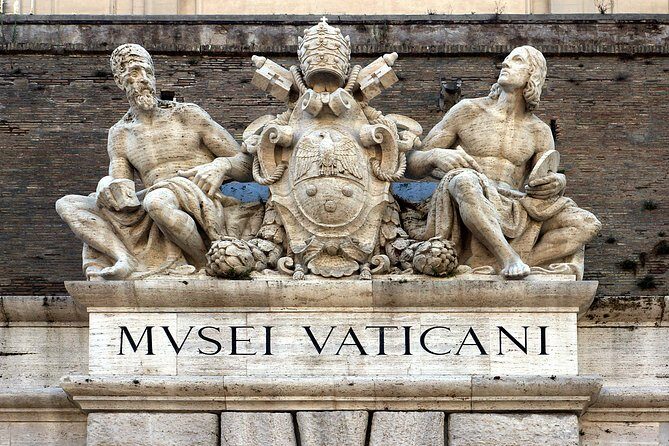
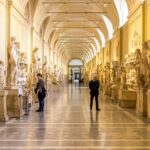
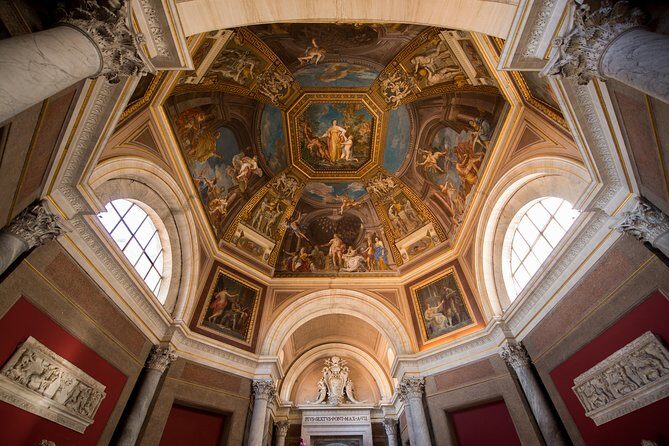
Once you’re past the security checkpoint, you enter a maze that can feel overwhelming if you go it alone. The big advantage here is a guided route that tries to hit the most recognizable rooms without turning your visit into a treasure hunt.
Two highlights are front and center:
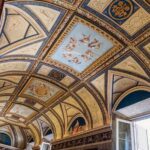
- Gallery of Maps: a room that’s visually impressive but also historically fun once someone explains what you’re looking at and why it was made.
- Gallery of Tapestries: you’ll learn about the Flemish tapestries and how they were based on designs from students of Raphael.
What I like about these stops is that they give you “anchors.” When you’re surrounded by masterpieces, it helps to know where you are and why the art matters beyond just looking nice in photos.
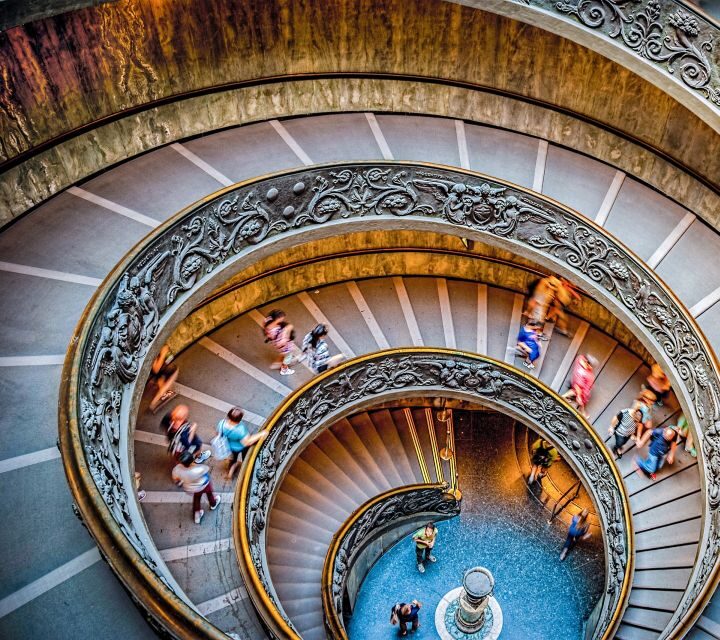
The museum section also includes a dramatic transition: you move down via a bronze spiral staircase (the route helps set the tone for what comes next). That staircase isn’t just a cool photo op—it’s a clear moment when the tour shifts from “museum highlights” to “historic showpiece.”
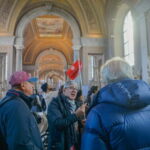
One caution based on what I’ve heard from other visitors: crowds inside can still be intense, even with skip-the-line. That means you may not have a ton of personal space to stop and admire everything. You’re there to see the big pieces efficiently.
Sistine Chapel: What You’ll See and How Long You’ll Have
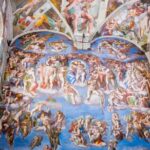
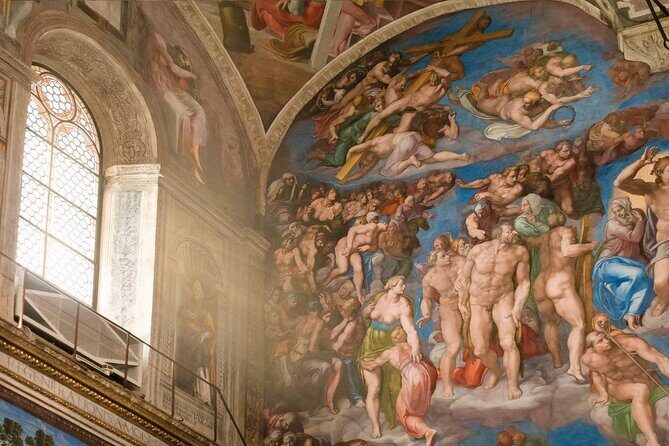
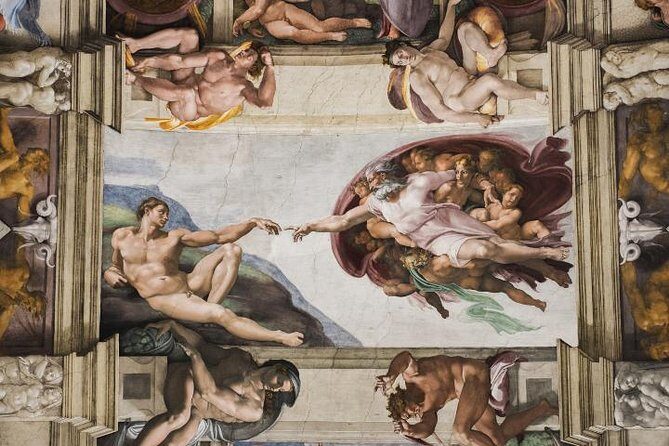
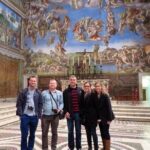
The Sistine Chapel is the moment most people are chasing. The tour brings you in with an explanation, then you’re positioned to view Michelangelo’s famous fresco on the ceiling.
The format here is clear: it’s a guided experience designed to get you there quickly and keep you moving. That’s why it works on a first trip—especially if you’re traveling during peak season when lines are brutal.
The potential drawback is time. Even when you get the entry, the chapel is crowded by design, and guided groups are expected to move along. Some people feel the time inside is short, and if you’re the type who needs a long quiet moment to take it in, you may feel slightly rushed.
My tip: accept that you’ll get the main view fast, then plan a return trip later if you want the deep, slow version. For many first-timers, one guided look is the best value.
St. Peter’s Basilica and La Pietà: Closing the Loop
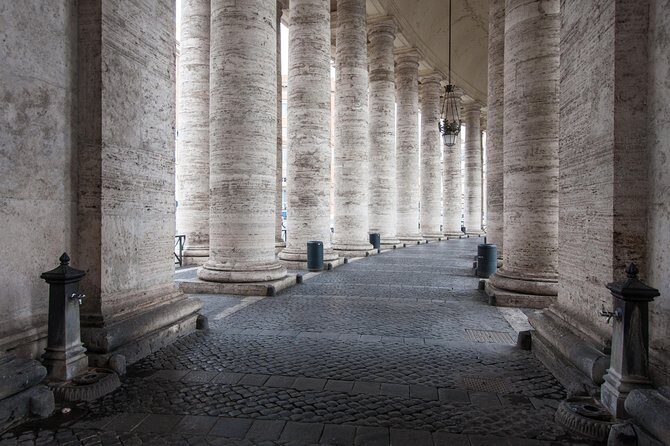
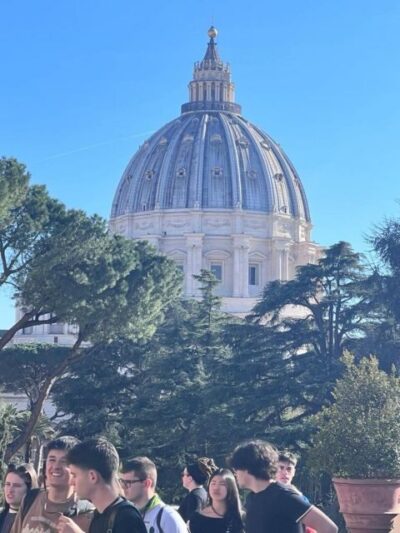
After the Sistine Chapel, the tour heads to St. Peter’s Basilica. This stop is a big deal because you’ll see Michelangelo’s La Pietà—one of his most famous sculptures—and you’ll hear context about the church’s construction and the building’s history from your guide.
One practical note: if St. Peter’s Basilica is closed, you won’t miss the day entirely. The tour states you’ll spend more time in the Vatican Museums instead. That flexibility matters because it can save your schedule when the basilica has access issues on the day you’re there.
Also, expect the St. Peter’s stop to be time-managed. Some visitors come away wanting more time in the church or the surrounding area. The upside of doing it as part of this tour is that you don’t have to figure out where to go or what to prioritize. The downside is you may not get that slow walk through every side chapel.
Other Vatican Museums tours in Rome


Pace, Crowds, and Why Great Guides Make a Difference
This is where the reviews really line up with the reality of the Vatican: the experience can be either wonderful and efficient or “too fast and too loud” depending on guide style and group pacing.
When it’s going well, the guide does two things:
- Dodges the worst crowd bottlenecks without leaving you behind.
- Keeps explanations focused on what you’re seeing right now.
Some specific guide names I saw mentioned with real praise: Max, Ricardo, Francisco, Cathleen, and Laura. The pattern is consistent—great guides don’t just recite facts. They help you look smarter, faster, and with less frustration.
When it’s not going well, common complaints are:
- The guide speaks very quickly or has an accent that makes audio harder to follow.
- The group moves so fast you barely get time to look at what you paid for.
- The chapel or certain rooms feel squeezed by other tours.
So here’s my advice: treat this tour like a “great highlights run with expert guidance,” not a private, slow museum study session. If you want one-on-one pacing, you’ll likely need a different format.
Dress Code, Security, and Comfort Tips You’ll Be Glad You Follow
The Vatican isn’t subtle about rules. You must meet the dress code: knees and shoulders covered for both men and women. If you don’t, entry can be refused. I’d rather look slightly overdressed than lose the day at the gates.
Security is another must-plan item. Even with timed entry, you’ll go through metal detectors, and the wait can be 20–30 minutes. On top of that, the inside of the Vatican Museums can feel warm and packed, which is why comfort matters as much as art.
Bring:
- Comfortable shoes (there’s lots of walking and standing)
- Water (if allowed by your tour policy and local rules)
- A light layer for indoor air-conditioning swings
Also, this tour isn’t recommended if you have walking difficulties. That’s not just about the distance—it’s about the pace and the “keep moving” nature of a group on timed ticketing.
The Price: What You’re Really Paying For
At $126.50 per person for about 3 hours, this isn’t cheap. The question is what you’re buying.
You’re paying for:
- Skip-the-line access to the Vatican Museums
- A professional guide
- Hearphones so you can follow commentary
- A managed route that hits major museum rooms plus Sistine Chapel and St. Peter’s Basilica
If you tried to do this on your own, you’d likely spend extra time figuring out the logistics and still get stuck in lines. For a first visit—especially when you want the highlights without losing half a day—this starts to look like good value.
Where it may not feel worth it: if you’re the type who wants to wander and linger, you might end up wishing you’d paid less and taken more time, or booked a tour with a different pacing.
The Full-Day Christian Rome Upgrade: When You Want More Than Vatican Walls
There’s an option that combines the Vatican experience with a full afternoon tour of Christian Rome. If you’re the type who likes your sightseeing with a narrative thread, this can be a strong add-on.
The afternoon route includes stops such as:
- Santa Maria Maggiore on Esquiline Hill
- San Giovanni in Laterano (St. John Lateran), described as the official church of the pope
- The Holy Steps, where pilgrims are described as climbing 28 steps on their knees with prayers
- The Sancta Sanctorum (Holy of Holies), including mention of relics like heads of Sts. Peter and Paul, a chunk of wood from the Last Supper table, and the story of the Holy Foreskin ending up in Calcata
It also goes beyond church interiors into the streets of early Christianity:
- The Appian Way
- The Chapel of Domine Quo Vadis, with the cemented imprint described as the ghost of Christ
- Catacombs
- The Baths of Caracalla ruins
This is a totally different vibe than the Vatican Museums: more walking through sites tied to early Christianity, plus underground catacombs. If you book the upgrade, be ready for a long day—but you’ll leave with a more complete sense of how Rome’s religious landmarks connect.
Who This Tour Fits Best (and Who Should Think Twice)
This tour is a great match if:
- You’re visiting for the first time and want major highlights without line-waiting.
- You prefer a guide to help you interpret what you’re seeing.
- You like efficiency: see the big things, get context, move on.
It may be a poor match if:
- You need long pauses to actually look at art.
- You get stressed in crowded rooms.
- You have mobility concerns—this isn’t designed for slow-moving comfort.
- Your ideal day is quiet and unrushed. This isn’t that.
One more tip: if you care a lot about specific museum rooms not listed in the core highlights you’re targeting, double-check before you book. Some visitors have felt certain Raphael-related areas weren’t included, and that kind of disappointment is avoidable.
Should You Book This Skip-the-Line Vatican Tour?
Book it if you want a smart first-hit Vatican plan: skip-the-line entry, a guided route through the Maps and Tapestries galleries, a proper stop at the Sistine Chapel, and a visit to St. Peter’s Basilica with La Pietà included—plus hearphones to keep the commentary clear.
Pass or reconsider if you’re chasing a slow, private-style museum experience or you’re sensitive to crowds and fast pacing. In that case, you might find it frustrating to feel like you’re moving continuously with limited time inside each room.
If you do book, do this:
- Wear gear that passes the knees and shoulders rule.
- Expect security checks even with skip-the-line.
- Bring patience for crowds.
- Plan a return visit later if you want deeper time with the Sistine ceiling.
FAQ
Is the tour in English?
The tour is offered in English.
How long is the tour?
The duration is listed as about 3 hours.
Where do I meet for this experience?
The meeting point is Piazza della Città Leonina, 8, 00193 Roma RM, Italy. The tour ends back at the meeting point.
What’s included and what’s not included?
Included: a professional guide and hearphones. Ticket entry to the sights is part of the experience (admission tickets are included). Not included: pick up and drop off and lunch.
Do I need to go through security, and what should I wear?
Yes. You must pass through metal detectors, and you should expect to wait about 20–30 minutes to clear security. You also need to follow the Vatican dress code: knees and shoulders covered for both men and women.
What if St. Peter’s Basilica is closed?
The tour notes that if St. Peter’s Basilica cannot be visited, you’ll spend more time in the Vatican Museums instead.
More Skip-the-Line Tours at the Sistine Chapel & Vatican
- Skip-the-Line Group Tour of the Vatican, Sistine Chapel & St. Peter’s Basilica
★ 4.5 · 12,779 reviews


More Vatican Museums Tours at the Sistine Chapel & Vatican
More Sistine Chapel Tours at the Sistine Chapel & Vatican
- Skip-the-Line Group Tour of the Vatican, Sistine Chapel & St. Peter’s Basilica
★ 4.5 · 12,779 reviews