One place can feel like a maze and a miracle at once. This private, skip-the-line Vatican tour strings together the big three in a tight 3-hour visit, with an art historian guide keeping things clear and moving.
I especially love how much you can see without the hour-after-hour queue drama. I also like the personal pacing, which lets your guide slow down for what you care about, then speed up where the crowds are worst.
The one drawback to plan around: Vatican events can cause last-minute closures, and you might have to do an alternative route focused on the museums instead of the chapel or basilica.
In This Review
- Key things to know before you go
- Why the skip-the-line part matters in the Vatican
- Meeting up near Viale Vaticano and getting oriented fast
- Vatican Museums: from the spiral staircase to the Belvedere courtyard
- What you gain in this first stretch
- Geographic Maps, tapestries, and Sobiesky Hall without getting lost
- Possible drawback in the Museums portion
- Sistine Chapel: the 15-minute focus that makes or breaks it
- St. Peter’s Basilica: side chapels, the Pietà, and the signed detail
- What this stop feels like in real time
- St. Peter’s Square: finishing with space instead of crowds
- Price and what you’re really paying for at $429.49
- Practical tips that can save your tour day
- Dress code: shoulders and knees must be covered
- Timing: do early if you can
- Last-minute Vatican closures: plan for an alternative
- Meeting point confusion: use the directions you receive
- Who this private tour suits best
- Should you book this Vatican skip-the-line private tour?
- FAQ
- How long is the Vatican Museums, Sistine Chapel, and St. Peter’s Basilica private tour?
- Is admission included for the Vatican Museums, Sistine Chapel, and St. Peter’s Basilica?
- Where does the tour start and end?
- What language is the tour offered in?
- What should I wear to enter these sites?
- What happens if the Sistine Chapel or St. Peter’s Basilica are closed last minute?
- Is this a private tour or a group tour?
Key things to know before you go
- Skip-the-line entry keeps your time for art, not lines
- Private guide means questions and pacing match your group
- Belvedere courtyard first gets you oriented fast inside the Museums
- Sistine Chapel time is short (about 15 minutes), so arrive ready to focus
- St. Peter’s Basilica includes side chapels and the Pietà
- Last-minute closures happen, but you’ll get a museum-focused alternative
Why the skip-the-line part matters in the Vatican
The Vatican can chew up a whole day, and not in a good way. Even for first-timers, the bottleneck is usually time standing still, watching people shuffle forward in a long line.
With guaranteed skip-the-line admission, you’re buying back your energy for what you came for: the Vatican Museums, the Sistine Chapel, and St. Peter’s Basilica. You still get a structured route, but you don’t waste your morning being herded.
You’re also paying for something that’s hard to fake on your own: a guide who knows how to keep the flow moving. That’s a big deal when you have limited time and the Vatican has limited patience for dawdling.
If you're still narrowing it down, here are other tours in Vatican City we've reviewed.

Meeting up near Viale Vaticano and getting oriented fast
Your tour starts at Viale Vaticano, Roma, and ends at St. Peter’s Square. Meeting points matter here, because the Vatican area is busy and signage can feel confusing if you’re arriving for the first time.
The tour runs in about 3 hours, and that timing is realistic only if everyone meets promptly and follows the directions you’re sent. I’d treat the meeting point like a flight check-in: be there early, not fashionably late.
Also note the practical side of the Vatican: you’re walking in and out of big, high-traffic areas. A private schedule helps, but you’ll still want to wear shoes you trust.
Vatican Museums: from the spiral staircase to the Belvedere courtyard
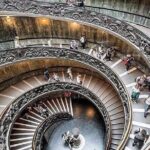
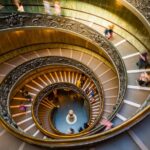
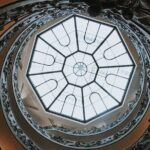
The tour begins inside the Vatican Museums area right at the entrance, using your skip-the-line entry. Then you head toward Momo’s spiral staircase, which helps you get your bearings quickly before the galleries swallow you whole.
One of the first memorable visual hits is the Belvedere courtyard with the huge bronze pinecone. It’s the kind of landmark that gives your brain a reference point, which is useful when the Museums start blending together for first-timers.
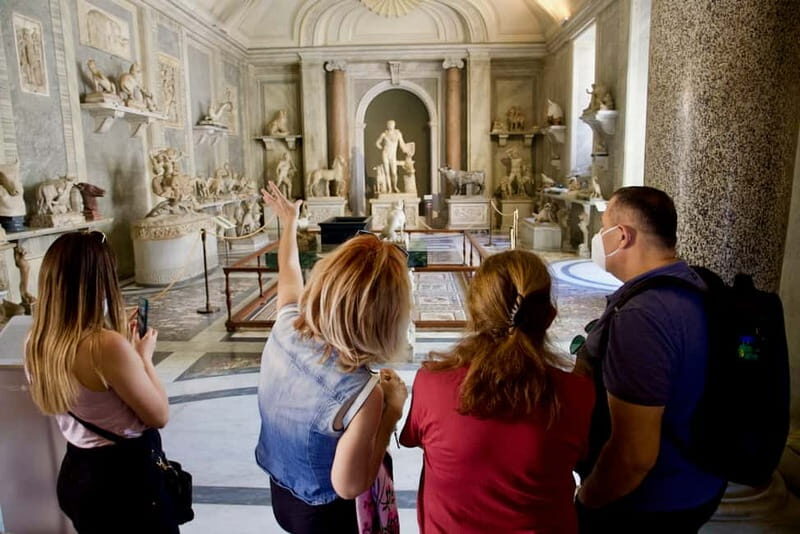
From there, your guide leads you through several high-demand sections, including the Gallery of Ancient Roman Sculptures, the Room of Muses, the Room of Animals, and the Rotunda. You won’t see everything, but you will see enough major rooms that you leave with a coherent picture, not random snapshots.
What you gain in this first stretch
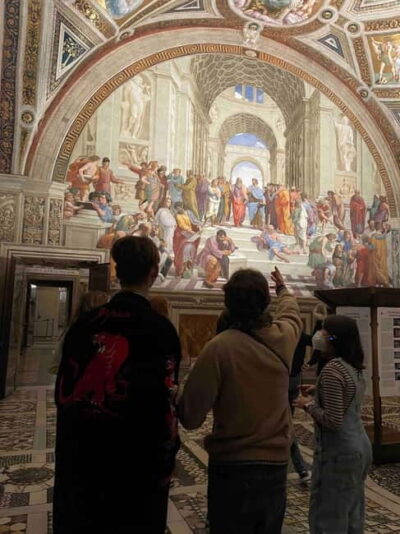
The Museums can feel overwhelming fast because there’s so much space and so many rooms. A good guide turns that chaos into a path you understand, and that’s where private format shines.
Also, the tour sets you up for the chapel by preparing you for what you’ll see next. In the Sistine Chapel, silence is required, so the earlier context helps your eyes catch details instead of just staring at your phone trying to remember what you’re looking at.
Geographic Maps, tapestries, and Sobiesky Hall without getting lost
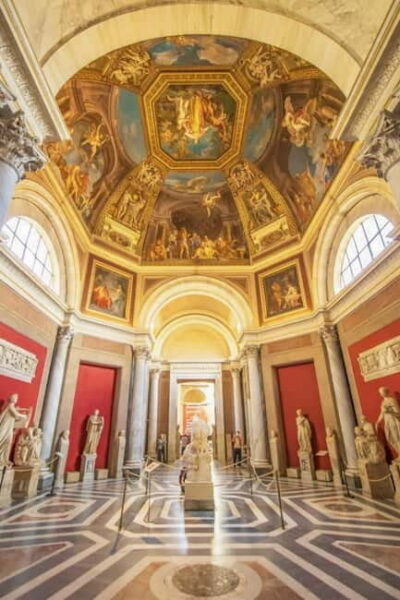
After the early sculptural rooms, your route continues to the Gallery of Geographic Maps, the Gallery of Tapestries, and Sobiesky Hall. These stops are spaced so you’re not sprinting nonstop, but you also don’t get stuck in one place too long.
This is where I like the private-tour approach: your guide can help you prioritize what lands best for your group. One highlight from past guests was that guides like Romina focused on shaping the experience around your interests and attention span, while still keeping you moving.
In other words, you get a guided selection, not an endless list.

Possible drawback in the Museums portion
The Museums are still crowded, even with skip-the-line entry. You’ll want to keep expectations grounded: private doesn’t mean empty, it means you navigate the crowd better.
If you hate being rushed, you’ll do best with a guide who lets you stop and ask questions. That’s the kind of adjustment guides such as Francisco and Francesco were praised for, including being patient and practical with pacing.
Sistine Chapel: the 15-minute focus that makes or breaks it
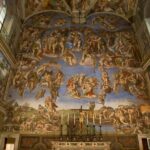
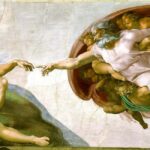
Next comes the big moment: the Sistine Chapel, including Michelangelo’s Creation of Adam and Last Judgment. Your time here is listed at about 15 minutes, and that’s exactly why preparation matters.
In the chapel, you’re in a strict atmosphere where speaking isn’t part of the plan. Guides often give you a short preview so you know what to look for before the silence requirement kicks in, and that can make your brief visit feel longer in the best way.
I’d go in with a small game plan:
- Pick one or two works you most care about
- Decide what you’ll look for first (composition, figures, lighting, scale)
- Don’t spend the chapel trying to remember what matters most
That’s also why I think doing this tour early is smart. When the day gets late, the crowd pressure goes up and your mental focus gets harder to find.
St. Peter’s Basilica: side chapels, the Pietà, and the signed detail
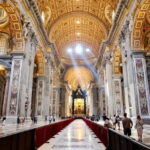
The last major interior stop is St. Peter’s Basilica. Your time here is about 30 minutes, and the tour includes numerous side chapels with hidden crypts—so it’s not just the main viewing areas.
You’ll also see Michelangelo’s Pietà. One detail your guide should emphasize—because it’s a rare and specific story—is that it’s the only work Michelangelo signed. That fact helps you understand why the sculpture is treated as more than just a masterpiece. It’s a named, intentional signature across time.
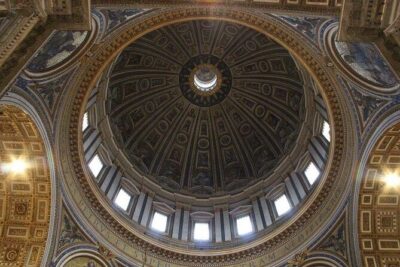
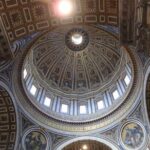
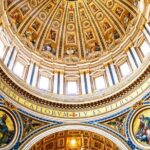
Then your guide explains the artistry behind Bernini’s altarpiece, along with how Michelangelo’s reputation and the dome work connect in the larger “who won the visual debate” of that era. If you’re into art and competition between artists, this part tends to click fast.
What this stop feels like in real time
Basilica visits can go in two directions: either you rush past everything, or you slow down and lose time to side rooms. With a private guide, you avoid the classic trap of only seeing the biggest landmark and missing the quieter spaces.
The best value here is that your guide gives you a story threaded through the architecture and major artworks, not just a list of what you’re seeing.
St. Peter’s Square: finishing with space instead of crowds
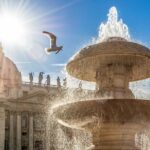
After the basilica, you end at St. Peter’s Square. Your listed time here is about 15 minutes, and that’s enough to step back from the indoor intensity and take in the scale of the space.
This final stretch is also useful for getting yourself oriented if you’re planning to continue on your own afterward. You’re in the right location to walk, take photos, and decide whether to linger near the basilica area or move on.
Don’t treat this as a throwaway stop. In a short tour, your square time is what helps it feel like a whole experience, not just three museum rooms and a quick stop.
Price and what you’re really paying for at $429.49
At $429.49 per person, this isn’t a budget tour. But it’s also not paying for a seat on a bus or a generic headset tour.
What you’re buying is:
- Private guiding (your group only)
- Guaranteed skip-the-line admission
- An art historian guide covering all three major sites
- A structured route that fits into about 3 hours
For me, the value works best when you’re short on time and you hate wasting mornings in queues. If you’re the type who can spend two full days in museums, you might still enjoy the guided context—but you could also build a self-guided route and save money.
If you’re visiting once, and you want the “big hits” done correctly without stress, the price starts to make sense fast. It’s essentially paying for time, clarity, and flow.
Practical tips that can save your tour day
Dress code: shoulders and knees must be covered
A dress code is required for places of worship and selected museums. You’ll need shoulders and knees covered for both men and women—so no shorts or sleeveless tops.
This is one of those rules that can ruin your start fast if you’re unprepared. If you’re traveling light, consider bringing a light layer that meets the requirement.
Timing: do early if you can
From real experience patterns, I strongly recommend an early start. One of the clearest pieces of advice was: do the early morning tour, because later lines can be outrageous.
Since the Sistine Chapel and basilica are high-demand, being early helps you maintain attention and comfort.
Last-minute Vatican closures: plan for an alternative
Vatican events can lead to last-minute area closures tied to the pope’s schedule. The tour notes that the Sistine Chapel and/or St. Peter’s Basilica might not be accessible.
In that case, your guide will provide a valuable alternative focusing the tour inside the Vatican Museums. That backup is important because it protects your day from total disappointment.
Meeting point confusion: use the directions you receive
A couple of people flagged that the meeting location information can be confusing if it’s listed too vaguely. The practical fix is simple: use the exact directions and any map image your guide/operator sends on the day, and don’t rely on guesswork.
If you’re coming for your first time in Rome, add a small buffer and confirm the meeting point before you arrive.
Who this private tour suits best
This fits you best if:
- You want the Vatican Museums + Sistine Chapel + St. Peter’s Basilica all in one go
- You value an art historian guide’s explanations more than wandering alone
- You’re short on time and don’t want to trade your vacation for queue time
- You like a tour where the guide can adjust for your group (people praised guides like Romina for tailoring)
It may not be ideal if you prefer to linger for long stretches. Your time at each major highlight is tight by design, especially in the chapel.
Should you book this Vatican skip-the-line private tour?
If you want a smart, time-saving way to hit the Vatican’s top three in one morning, I’d say yes—book it. The skip-the-line guarantee, the private guide, and the structured route are exactly what make a short Vatican visit feel satisfying instead of chaotic.
If you’re traveling with a strict budget or you’re the type who wants to explore at your own slow pace for hours, you might consider a cheaper approach. But if you’re paying for stress reduction and meaning, this one earns its keep.
One last thought: dress properly, arrive early, and follow the meeting-point directions closely. Do those three things, and your chance of a smooth, memorable Vatican experience goes way up.
FAQ
How long is the Vatican Museums, Sistine Chapel, and St. Peter’s Basilica private tour?
The tour is listed at approximately 3 hours total.
Is admission included for the Vatican Museums, Sistine Chapel, and St. Peter’s Basilica?
Yes. Admission tickets are included for the Vatican Museums and the Sistine Chapel, and admission is included for St. Peter’s Basilica as well.
Where does the tour start and end?
The tour starts at Viale Vaticano, Roma RM, Italy and ends at Saint Peter’s Square (Piazza San Pietro, 00120).
What language is the tour offered in?
The tour is offered in English.
What should I wear to enter these sites?
A dress code is required. No shorts or sleeveless tops. Knees and shoulders must be covered for both men and women.
What happens if the Sistine Chapel or St. Peter’s Basilica are closed last minute?
If areas are closed due to Vatican events, the guide will provide an alternative route that focuses on the Vatican Museums.
Is this a private tour or a group tour?
It’s a private tour. Only your group will participate.