REVIEW · ROME
Rome: Vatican Museums and Sistine Chapel Skip-the-Line Tour
Book on GetYourGuide →Operated by Onceuponatimerometours · Bookable on GetYourGuide
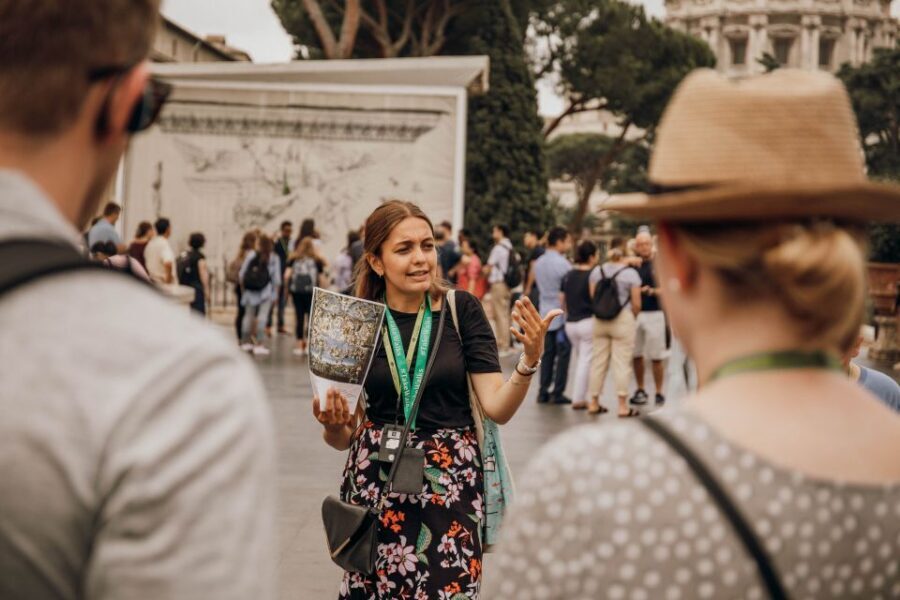
The Vatican can feel like a human obstacle course. This tour makes it calmer with skip-the-line entry and a guided route through the Pigna (Pinecone) Courtyard and major galleries, ending at the Sistine Chapel. The one thing to keep in mind: the pace can feel tight, and you may need to stay close to your guide for the Sistine Chapel portion.
What I like here is how much you gain from the guide-and-headset setup. Hearing the story clearly (and not getting lost in the crush) is a big deal when you only have about two hours for the highlights. I also appreciate that groups are supported at the meeting point, with a team on hand and free WiFi there, which helps when you’re juggling metro timing and street chaos.
For planning, note this tour is not set up for wheelchair users or people with mobility impairments, and the rules on clothing and bags are strict. If you’re comfortable walking and you’ll dress appropriately, this is a strong way to see the Vatican’s most famous rooms without spending half your day in lines.
In This Review
- Key takeaways before you go
- Skipping the long Vatican lines: what you’re buying with this tour
- The route you’ll follow: from Pinecone Courtyard into the galleries
- Masks, candelabra, and tapestries: why these stops work (and what they don’t do)
- Sistine Chapel: how to get the right experience in a time-tight room
- Optional St. Peter’s Basilica access: nice add-on, but it changes the rhythm
- Price and value: is $65 worth it?
- Meeting point reality: where you start affects how smooth your day feels
- What to bring and wear: the Vatican rules that can derail you
- Who this tour suits best (and who should look elsewhere)
- Should you book this Vatican Museums and Sistine Chapel tour?
- FAQ
- How long is the Vatican Museums and Sistine Chapel skip-the-line tour?
- What does skip-the-line entry mean here?
- Is St. Peter’s Basilica included?
- What languages are the tours offered in?
- What’s included in the price?
- What should I bring and what’s not allowed?
- Is cancellation free, and how far in advance?
Key takeaways before you go
- Skip-the-line entry helps you get inside faster and spend more time looking instead of waiting
- Pigna Courtyard (Pinecone Courtyard) is one of the most memorable early stops on the route
- Headsets keep the guide’s narration understandable in crowded rooms
- Major galleries are included, like Masks, Candelabra, Tapestries, and more
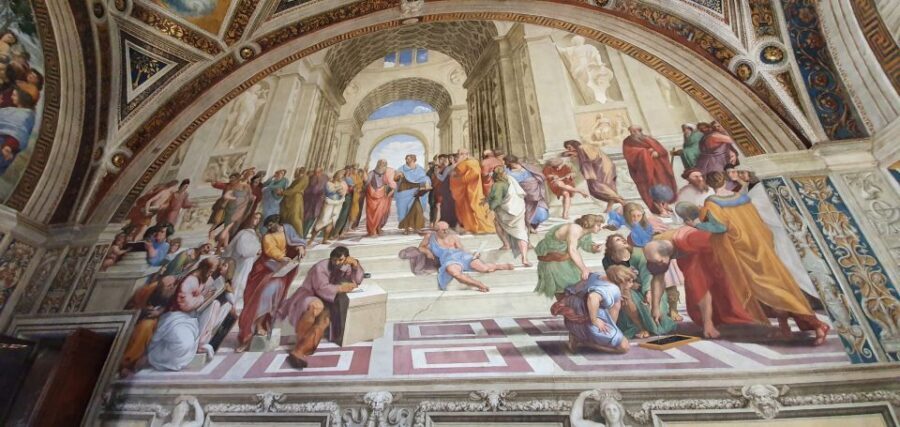
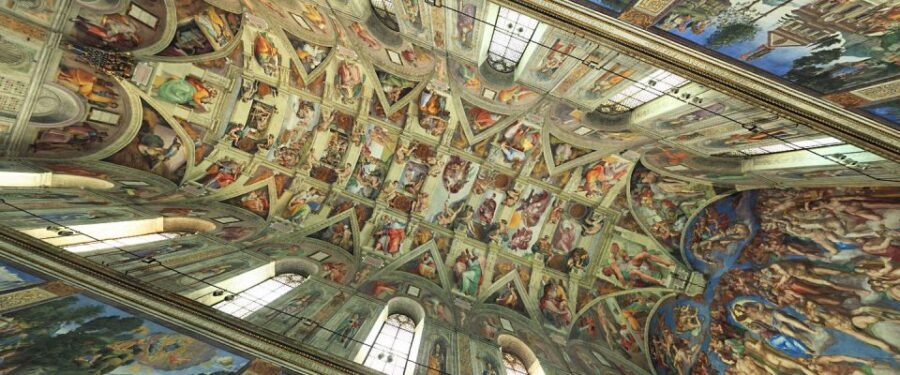
- Sistine Chapel viewing is built into the flow, with you led to see Michelangelo’s frescoes up close
- Optional St. Peter’s Basilica access can extend the experience if you choose that add-on
Skipping the long Vatican lines: what you’re buying with this tour
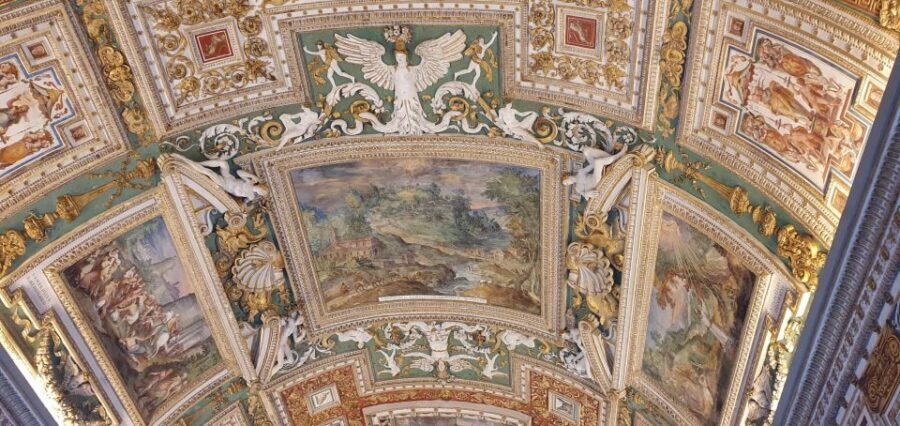
The Vatican Museums are famous for one thing: lines. Not just ticket lines, but the kind of bottlenecks that turn a sightseeing day into a waiting day. This tour is designed to fix that with skip-the-ticket-line entry through a separate entrance, so you can start the experience faster.
That matters more than you might think. When you enter early, you have better odds of actually seeing what you came for. You’re not rushed because the schedule is based on your arrival time; you’re rushed only because the Vatican Museums are huge. A guided visit helps with the second problem: the museum’s scale and confusion. Instead of wandering and guessing which rooms are worth the effort, you follow a guide through the highlights that most visitors aim for.
A bonus detail that really helps: headsets are included for guided tours. In real-world museum conditions—noise, distance, crowds—headsets often make the difference between understanding the art story and just hearing footsteps. If you’ve ever tried to listen to a guide over shoulder-to-shoulder crowds, you already know why this is valuable.
Other Sistine Chapel tours we've reviewed in Rome
The route you’ll follow: from Pinecone Courtyard into the galleries
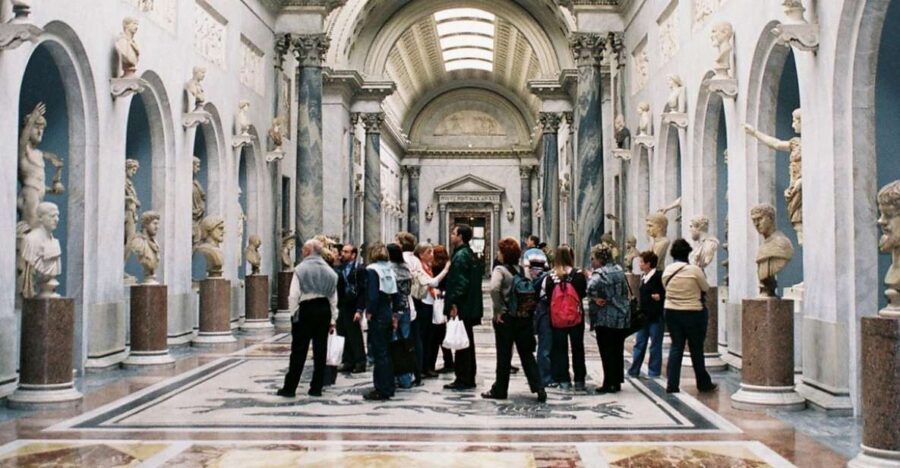
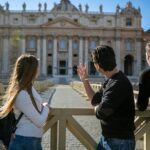
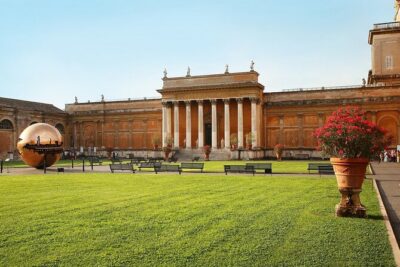
The tour route starts with iconic “first impression” energy: the Pigna (Pinecone) Courtyard. This is one of those spaces where the scale hits you fast. Even if you’re not an art historian, you’ll recognize that you’re in a place that was built to impress. The courtyard is a strong opener because it quickly transitions you from the outside-world of Rome into Vatican City’s museum atmosphere.
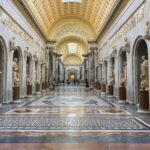
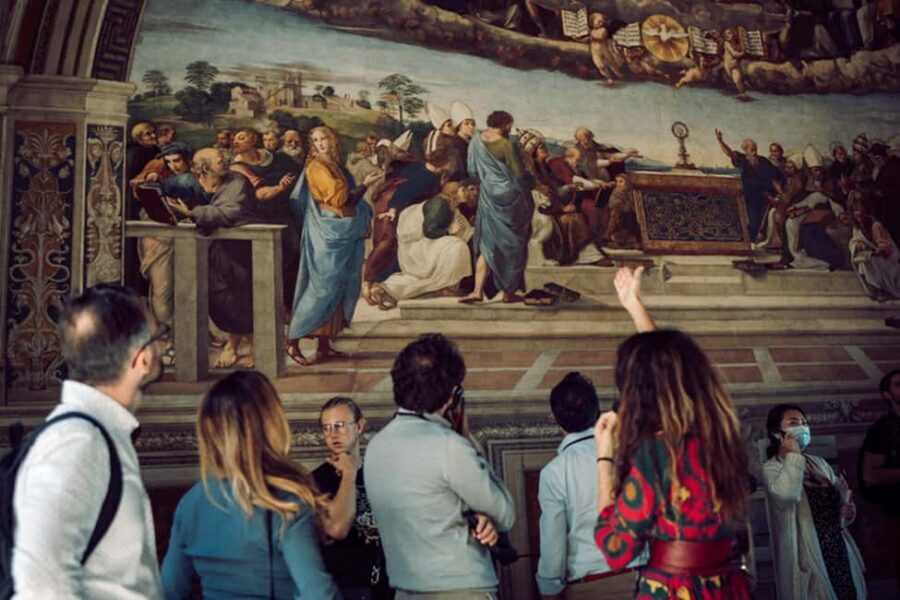
From there, you move into the interiors that most people come for. The tour focuses on key rooms and galleries that cover different styles and themes, rather than treating the Vatican like one long hallway. Included stops can feature:
- Cabinet of the Masks and related mask displays
- Gallery of the Candelabra
- Gallery of Tapestries
- Other featured galleries such as maps and additional showcase areas
What’s the benefit of this structure? It keeps your visit from turning into random museum browsing. Each room gives you a different kind of visual payoff, so you’re not staring at the same “look and feel” over and over. You’re also more likely to remember what you saw—because the guide’s narration gives context while you’re actually standing there.
Masks, candelabra, and tapestries: why these stops work (and what they don’t do)
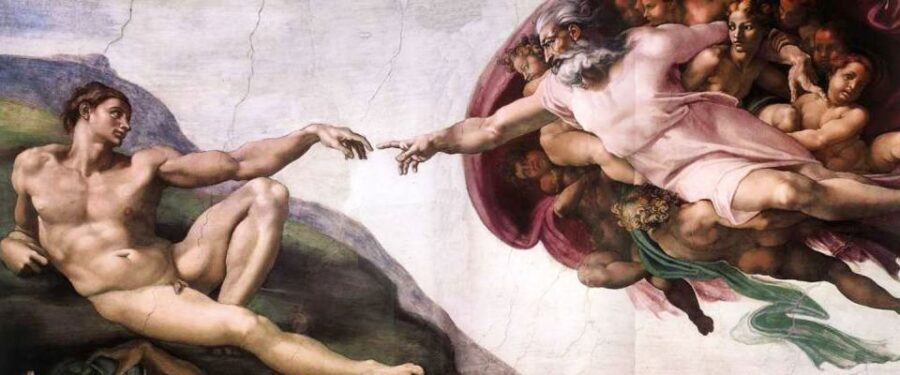
These galleries might not be the first thing you picture when you think of the Sistine Chapel, but they’re exactly the kind of stops that make the Vatican Museums feel worth the ticket. They’re also excellent for understanding how the Vatican presents art like a story.
Cabinet/Gallery of the Masks
Masks rooms are fascinating because they connect to ideas of performance, identity, and classical design. Even if you’re not into Roman-era iconography, you’ll probably notice how art here isn’t only about decoration. It’s also about symbolism, craft, and how objects were meant to be seen in relation to a wider collection.
Gallery of the Candelabra
This room is a great example of decorative art that still feels architectural. You’ll see patterns and forms that guide your eye across the space. It’s the kind of stop where a guide can help you notice details you’d miss if you were trying to read everything yourself while moving.
Gallery of the Tapestries
Tapestries can be hard to appreciate if you’ve got a quick glance mindset, because they reward attention. With a guide, you’re more likely to slow down for the right things—design choices, the way figures or scenes are handled, and the overall impact of textile art in a museum setting.
Here’s the catch: your time is limited. At around 2 hours (up to 192 minutes), you’re not going to see everything the Vatican Museums offer. Even with skip-the-line entry, it’s still a big campus. The best way to think about this tour is as a curated “highlights sprint.” If you want a museum marathon, you’ll likely want a longer private visit or additional time on your own later.
Sistine Chapel: how to get the right experience in a time-tight room
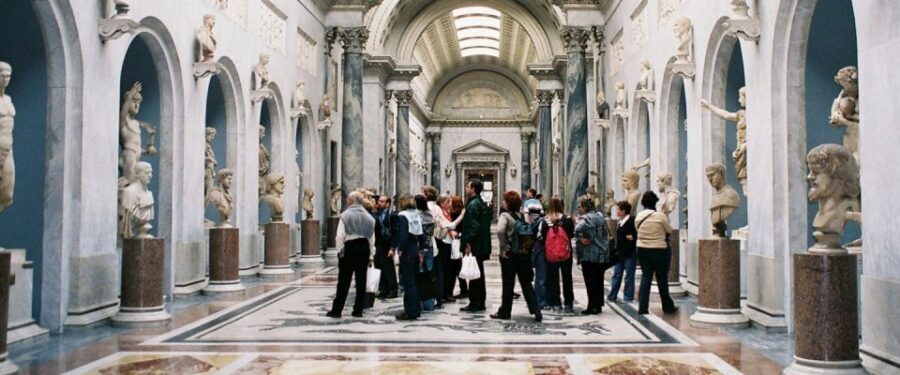
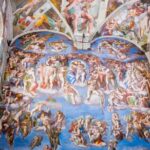
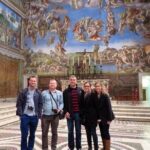
The Sistine Chapel is the star attraction, and this tour leads you there to see Michelangelo’s frescoes up close. That’s the main reason to choose a guided experience: you don’t just walk in and hope for the best. You’re directed to the key viewing experience so you don’t waste your limited time.
One practical consideration: the Sistine Chapel portion can feel like a controlled flow. In a few reported experiences, visitors noted that you might need to stay with your guide to get in smoothly and keep the group together. This isn’t unique to every tour, but it’s worth planning for.
The good news is that once you’re inside, the room itself handles the awe. Your best move is mental, not logistical: go in ready to look slowly, even if you can’t stare for long. If you try to “speed-run” the frescoes, you’ll miss the point. Let your eyes move across sections, then look back once you understand what you’re seeing.
Optional St. Peter’s Basilica access: nice add-on, but it changes the rhythm
Some versions of this experience include access to St. Peter’s Basilica (if the option is selected). If you add it, plan on a longer visit—one upgrade experience extended the day to about three hours total.
How does that change the experience? It’s not just more time. It shifts your energy from museum mode to church mode. The Basilica is a different kind of wow: monumental scale, different lighting, and a slower kind of attention. If you’re the type who wants at least a taste of both Vatican Museums and the big church moment, the add-on can be a smart use of your limited Rome time.
If you prefer to stay laser-focused on museum highlights and then wander Rome afterward, the museum-only version may feel tighter and less tiring.
Other Vatican Museums tours in Rome


Price and value: is $65 worth it?
At $65 per person for a tour that lasts about 2 hours, the value comes from four concrete items you’re getting:
- Licensed guide
- Skip-the-ticket-line entry
- Headsets for clearer narration
- A structured route through major rooms you’d likely prioritize anyway
If you’re visiting on a busy day, skip-the-line access often pays for itself in pure time. But the bigger win is attention. With a guide and headsets, you can spend your effort looking at art rather than trying to figure out which rooms matter most.
The tradeoff is that you’re paying for speed. You’re not getting every gallery at a leisurely pace, and you shouldn’t expect to linger wherever you want. If your priority is deep, slow museum study, the $65 highlights format might feel short. If your priority is to see the key rooms with a clear story and smooth entry, it’s a reasonable deal.
Meeting point reality: where you start affects how smooth your day feels
The meeting point may vary depending on the option booked, but there’s still support included: a team is available to help at the meeting point, and there’s free WiFi there. That’s more useful than it sounds. Vatican timing is unforgiving, and it’s easy to waste 20 minutes trying to locate a specific entrance while everyone else is filing in.
Here’s how I’d handle it: check your option details the day before, arrive early enough to absorb any street confusion, and keep your ID ready. If you show up scattered, the tour needs to get everyone moving, and you don’t want to lose your spot at the start.
What to bring and wear: the Vatican rules that can derail you
This tour requires simple basics, but the rules are strict. Bring:
- Passport or ID card
- Student card (if applicable)
- Disability card (if applicable)
Dress and item rules matter a lot. Not allowed include:
- Pets
- Baby strollers
- Luggage or large bags
- Glass objects
- Shorts
- Short skirts
- Sleeveless shirts
If you show up dressed too casually, you may be turned away or forced into a frustrating scramble. In Rome, it’s easy to plan your day around great weather. Just remember the Vatican can be less forgiving than the rest of the city.
Who this tour suits best (and who should look elsewhere)
This works best for you if:
- You want the Vatican’s biggest art moments without wasting time in lines
- You like guided context and clarity (especially with headsets)
- You’re comfortable walking through multiple museum rooms in about two hours
It may not be the right fit if:
- You use a wheelchair or have mobility impairments (the tour is not suitable for wheelchair users)
- You prefer long, unguided time in every room
- You’re sensitive to crowds and tight pacing in indoor sites
One more “fit” question: are you expecting a calm, slow stroll? A couple of experiences flagged that the tour can feel fast, and that the group movement can be tight. If you want to stop for photos often, I’d still choose it—but with the expectation that you’ll capture what you can during the guided stops.
Should you book this Vatican Museums and Sistine Chapel tour?
If your goal is simple—see the Pigna Courtyard, walk through big museum galleries, and reach Michelangelo’s Sistine Chapel frescoes without losing time in lines—then yes, it’s a good booking. The guide-and-headset setup is exactly what you want when the Vatican is crowded and the museum layout is confusing.
I’d skip it if you’re planning to spend the whole day soaking in every room, or if mobility access is a concern. And if you hate being rushed, adjust your mindset: this is a highlights route with a timed flow, not a slow art library.
Overall, for the price, you’re paying for entry efficiency and clear guidance. That’s a strong match for many first-time Vatican visitors.
FAQ
How long is the Vatican Museums and Sistine Chapel skip-the-line tour?
The tour runs about 2 hours (listed as 2 hours to 192 minutes).
What does skip-the-line entry mean here?
You get skip-the-ticket-line entry to the Vatican Museums and Sistine Chapel through a separate entrance.
Is St. Peter’s Basilica included?
Access to St. Peter’s Basilica is included only if you select that option.
What languages are the tours offered in?
The live guided tour is offered in English and Spanish.
What’s included in the price?
Included items are a licensed tour guide, skip-the-ticket-line entry, headsets (for guided tours), team assistance at the meeting point, and free WiFi at the meeting point (plus St. Peter’s Basilica access if selected).
What should I bring and what’s not allowed?
Bring a passport or ID card (and student or disability card if applicable). Not allowed are pets, baby strollers, luggage or large bags, and glass objects. Shorts, short skirts, and sleeveless shirts are also not allowed.
Is cancellation free, and how far in advance?
Yes. You can cancel up to 24 hours in advance for a full refund.
More Skip-the-Line Tours at the Sistine Chapel & Vatican
- Skip-the-Line Group Tour of the Vatican, Sistine Chapel & St. Peter’s Basilica
★ 4.5 · 12,779 reviews


More Vatican Museums Tours at the Sistine Chapel & Vatican
More Sistine Chapel Tours at the Sistine Chapel & Vatican
- Skip-the-Line Group Tour of the Vatican, Sistine Chapel & St. Peter’s Basilica
★ 4.5 · 12,779 reviews