REVIEW · ROME
Rome: Vatican Museums and Sistine Chapel Guided Tour
Book on GetYourGuide →Operated by Maximus Tours · Bookable on GetYourGuide
Rome has a funny way of making you feel small. Then the Vatican Museums do the opposite—size up your sense of what art can do. I like the priority entrance that cuts down waiting, and I like the small group (up to 10) that keeps the pacing human. One consideration: the Sistine Chapel stop is about 20 minutes, so you’ll want to know what to look for fast.
The route also makes sense for a first visit: you get the big-name rooms (Raphael and the chapel) plus the sculpture and gallery stops that fill in the story. Guides such as Christiana, Tatiana, Patricia, Chris, and Monica show up often in feedback, and the common thread is clear explanations and a calm, organized way through the crowds. If you’re going to do this, wear shoes you can walk in all morning.
In This Review
- Key highlights and what they mean for you
- A Vatican Tour That Feels Manageable
- Meeting at Via Tunisi 4 and Getting Ready to Move
- Priority Entry: Why It Changes the Whole Experience
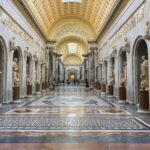
- Vatican Museums: Maps, Candelabra, and the Galleries That Set the Scene
- Gallery of Maps
- Gallery of Tapestries
- Gallery of the Candelabra (and Greek statuary)
- Cortile del Belvedere: The Sculpture Courtyard Moment
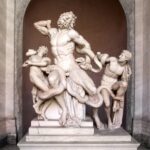
- Belvedere Torso and Laocoön: The Ancient Art Shockwave
- Raphael Rooms and the Borgia Apartment: Papal Power as Art
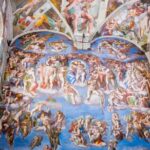
- Sistine Chapel: How to Get the Most from 20 Minutes
- Old Papal Apartments: Why This Part Matters Beyond the Headlines
- Price and Value for a 3-Hour Priority-Entry Route
- Who This Tour Fits Best (and Who Might Want Another Option)
- The Guide Factor: What Makes It Worth It
- Should You Book This Vatican Museums and Sistine Chapel Tour?
- FAQ
- How long is the Vatican Museums and Sistine Chapel guided tour?
- How many people are in the group?
- Does the tour include priority entrance or skip-the-line access?
- Where do you meet the guide?
- What sites are included in the guided experience?
- How long is the Sistine Chapel portion?
- What language is the tour guide?
- What should I bring and wear?
- Is food or transportation included?
- Is this tour suitable for wheelchair users or mobility impairments?
Key highlights and what they mean for you
- Priority entrance through a separate route helps you avoid the worst lines.
- Maximum 10 people keeps the experience listenable in crowded halls.
- Gallery of Maps and Gallery of Tapestries give you visual context beyond single masterpieces.
- Sculpture stops like Belvedere Torso and Laocoön help you spot why ancient art shaped everything that followed.
- Raphael Rooms plus Borgia Apartment connect art to the personalities running the Vatican.
- Sistine Chapel focus lands the ceiling and altar themes without dragging your whole day.
A Vatican Tour That Feels Manageable
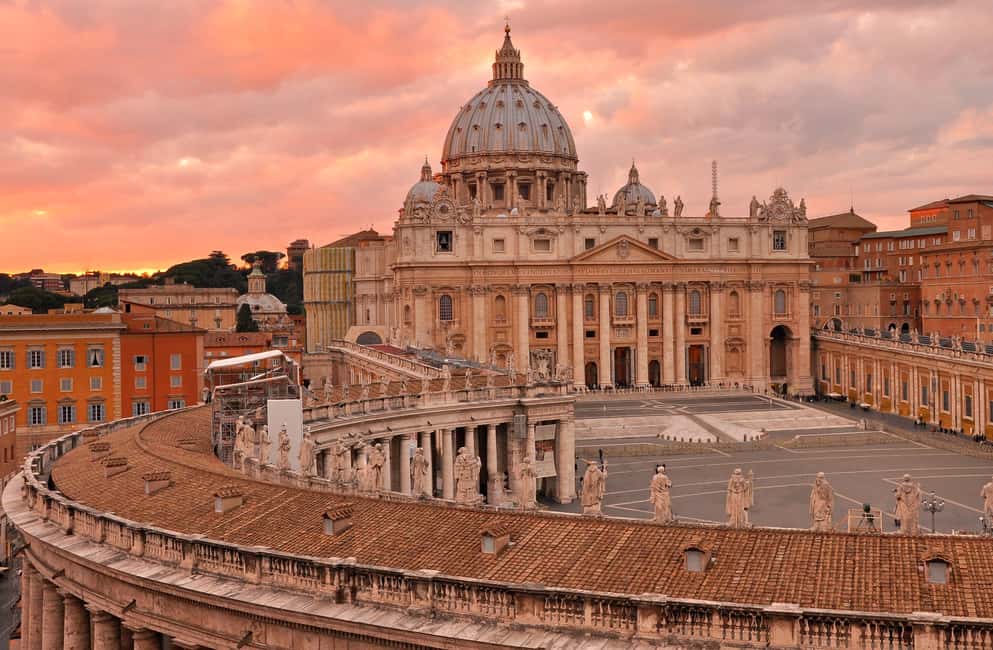
This tour works because it respects the reality of the Vatican: it’s massive, rules are strict, and the crowd energy can get loud fast. Instead of a marathon with too much stopping, you get a guided route that’s built around the places people travel to see—plus some art-world anchors that make those famous rooms make more sense.
I also like that the group size stays small. With up to 10 people, your guide can slow down when a question matters and keep you from feeling like a number in a cattle pen. The pacing is especially useful if you’re not trying to memorize every detail—just get oriented and leave with a real sense of what you saw.
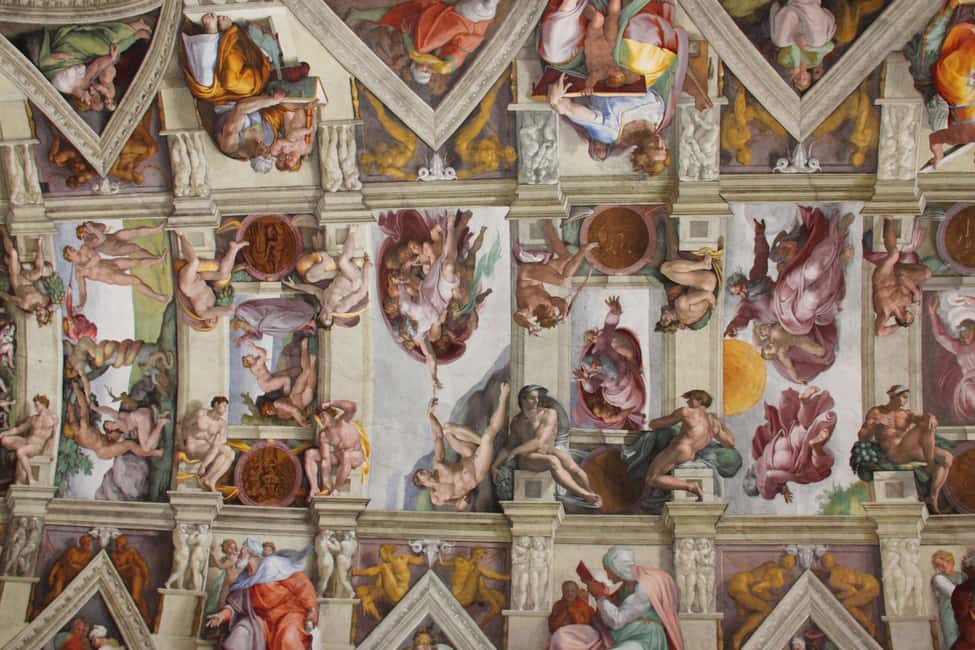
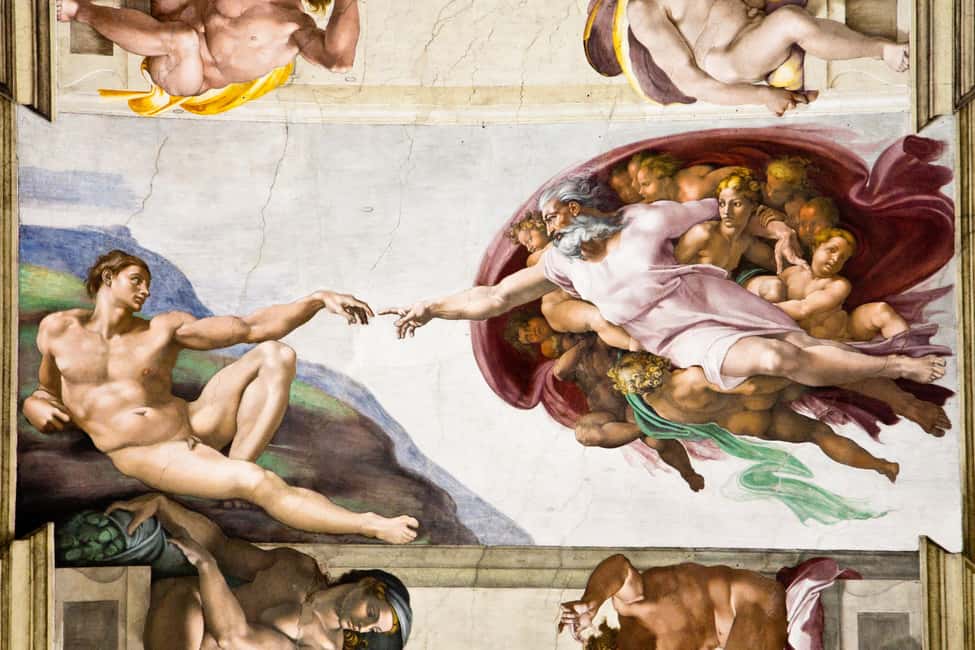
And yes, you’ll see the obvious targets. Michelangelo’s ceiling moments and the altar wall get their due. But what makes the experience genuinely satisfying is how the tour threads sculpture, papal rooms, and painting into one continuous story.
If you're still narrowing it down, here are other tours in Rome we've reviewed.
Meeting at Via Tunisi 4 and Getting Ready to Move
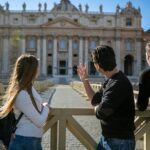
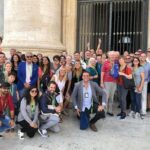
You meet outdoors at Via Tunisi 4, 00192 Roma, with your guide at the very bottom of the stairs. Look for Maximus Tours. This matters because the Vatican area can be confusing on foot, and finding the right entrance is half the battle.
Before you go, plan for a tour that involves real walking and close quarters. Wear comfortable shoes, not sandals. Bring a passport or ID card—you’ll need it for entry. Also note the clothing rules: no shorts, no short skirts, and no sleeveless shirts. Leave luggage or large bags at home if you can; the tour is built around keeping you moving through security and galleries.
One more practical heads-up: flash photography isn’t allowed. So if you’re the type who takes pictures of everything, adjust your expectations. Your best photos will be the ones you capture quickly, then put the phone away and actually look.
Priority Entry: Why It Changes the Whole Experience
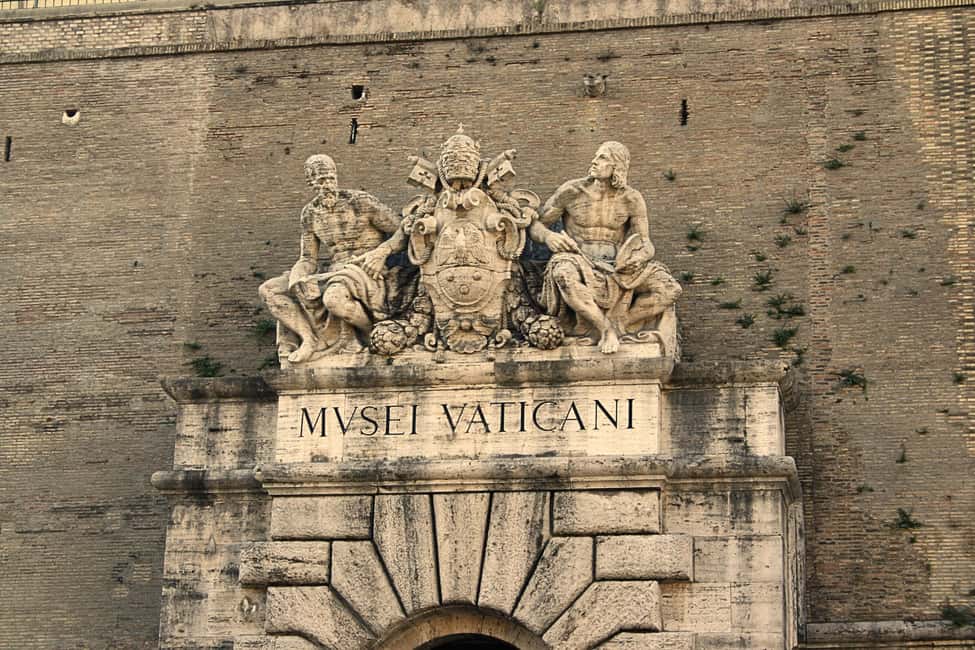
Priority entrance is the silent hero here. The Vatican Museums are one of those places where waiting can drain the mood before you even reach the art. With separate entrance access, you spend less time in line and more time in rooms where things can actually sink in.
That time-saving matters because the Vatican doesn’t reward half-attention. If you rush, you’ll miss the visual connections: how ancient Greek and Roman sculpture shaped Renaissance forms, how papal commissions shaped subject matter, and how the Vatican curated meaning over centuries.
Even if you’ve read about the masterpieces already, the real value of this tour is getting to the key areas while you still have energy to focus.
Vatican Museums: Maps, Candelabra, and the Galleries That Set the Scene
Your day begins in the Vatican Museums, where you’ll move through a lineup of famous galleries rather than wandering randomly. A couple of stops are worth calling out because they do more than decorate your camera roll.
Gallery of Maps
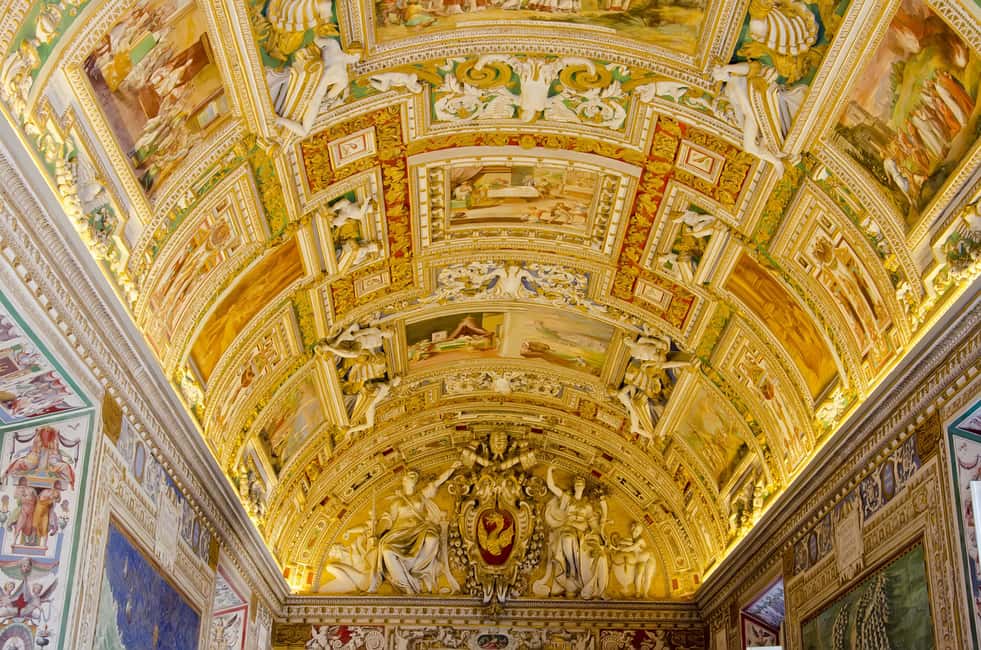
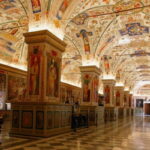
The Gallery of Maps is a clever way to understand the Vatican’s reach. Instead of treating Rome like one city on a map, you see a world-shaped outlook—geographic detail turned into visual storytelling. It’s not the first place most people expect on a Vatican “greatest hits” route, which makes it a smart inclusion.
If you like art that mixes visual craft with information, this gallery feels surprisingly rewarding.
- Skip-the-Line Group Tour of the Vatican, Sistine Chapel & St. Peter’s Basilica
★ 4.5 · 12,779 reviews


Gallery of Tapestries
Next is the Gallery of Tapestries, which gives you a different texture of art. You’re not looking at marble or paint now—you’re looking at woven works that carry color and narrative differently. This stop helps break up the day visually, so you don’t feel like you’re only moving from one ceiling to the next.
Gallery of the Candelabra (and Greek statuary)
The Gallery of the Candelabra is where you start noticing how placement and architecture frame the art. It’s also one of those rooms where classical sculpture becomes easier to appreciate because you’re seeing it in a designed “conversation.”
The tour also includes Greek Statuary, which connects well with the sculpture you’ll see later. If you’ve ever wondered why ancient bodies look the way they do in Renaissance painting, this sequence gives you the pathway.
Cortile del Belvedere: The Sculpture Courtyard Moment
One of the most dramatic changes in the tour comes when you reach Cortile del Belvedere. It’s a space that feels like a stage set—architecture and sculpture working together. This is where the Vatican’s collecting instincts stop being abstract.
If you’ve seen photos of the famous pieces, you’ll still be surprised in person. The scale and the way you move around the space make the viewing feel less like a quick stop and more like a proper encounter.
Belvedere Torso and Laocoön: The Ancient Art Shockwave
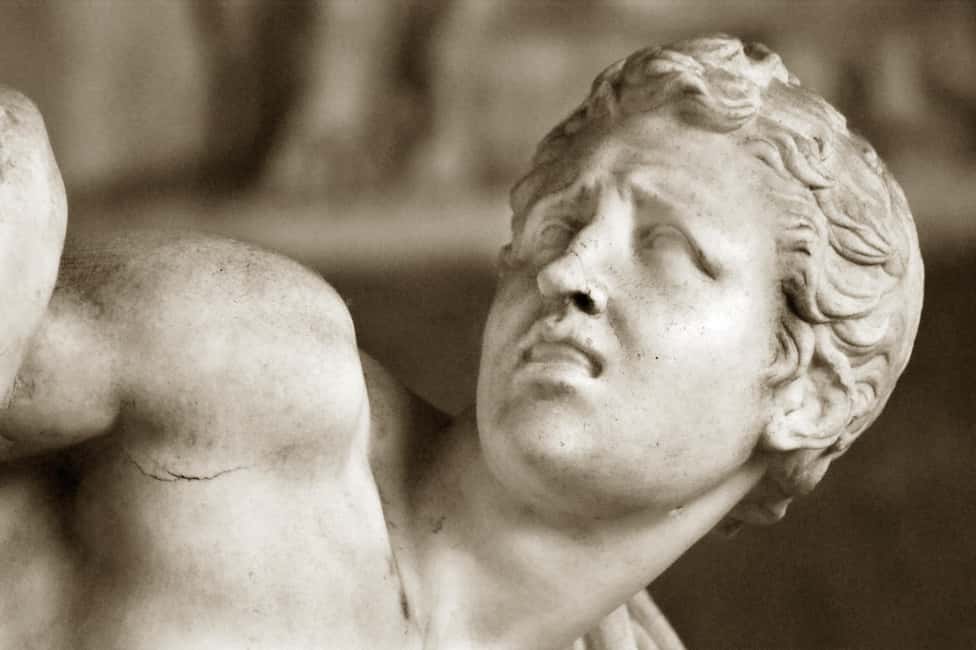
The tour highlights two sculpture heavyweights: the Belvedere Torso and Laocoön. These aren’t just famous names. They’re useful for understanding what Renaissance and Baroque artists were responding to—form, movement, and the ability of stone to look almost alive.
Here’s how I’d approach these two stops in your head:
- Look for movement and tension, not just beauty.
- Notice how the figures are composed to pull your eye across the body.
- Compare that emotional punch to what you’ll see later in paint and fresco.
If you’re not an “art person” going in, these stops help you feel like one, quickly. Not by lecturing—by letting the shapes do the convincing.
Raphael Rooms and the Borgia Apartment: Papal Power as Art
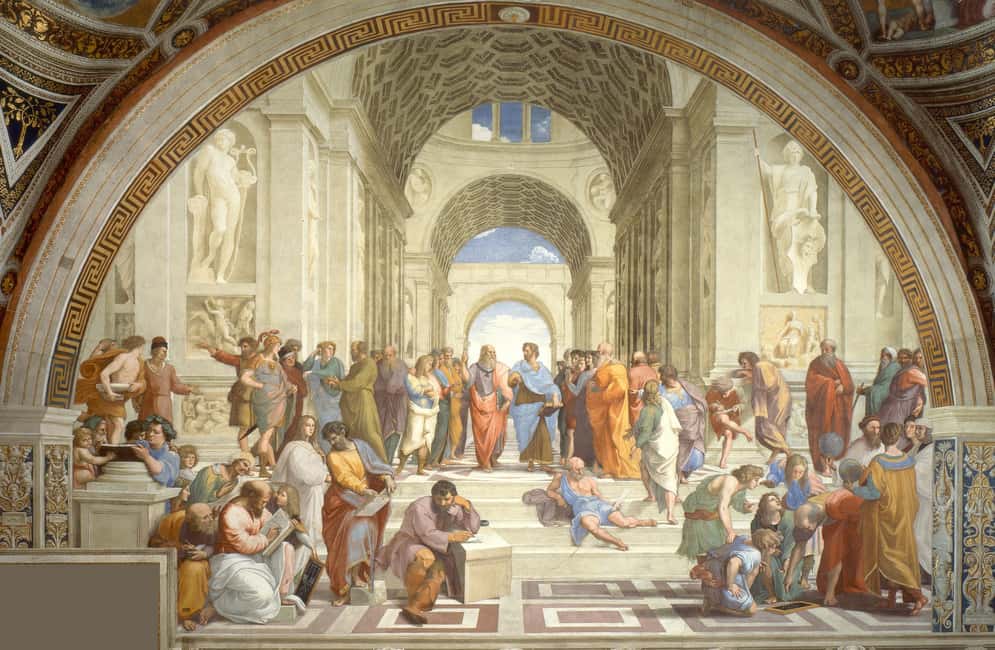
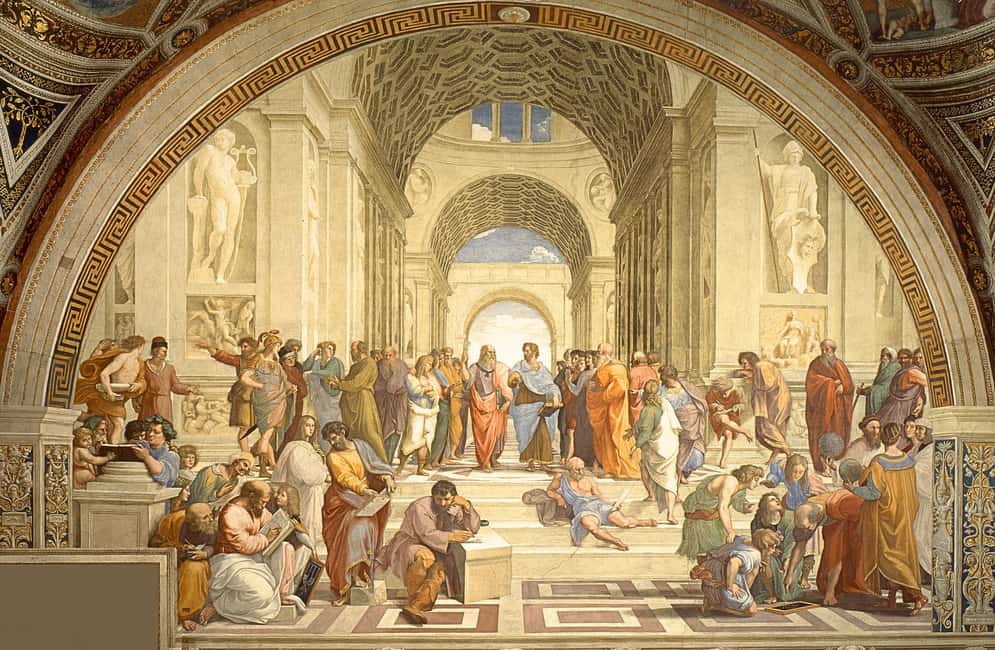
After the sculpture and galleries, you move into the world of painted rooms. The Raphael Rooms are where the Vatican becomes less about collecting objects and more about commissioning messages.
Raphael’s work isn’t just visually impressive; it reads like a carefully designed worldview. You’re seeing art that explains authority—religious, intellectual, and political—through images and stories.
Then you continue into the Borgia Apartment (part of the older papal rooms experience). This part of the tour adds a different emotional temperature. The subject matter and the atmosphere feel tied to the kind of ambition that has always lived close to power.
If you want a way to remember this section, think of it as:
- Raphael Rooms = big ideas, polished presentation
- Borgia Apartment = human drama, tighter stakes
It’s a smart contrast that makes the Vatican feel like a living institution, not just a museum.
Sistine Chapel: How to Get the Most from 20 Minutes
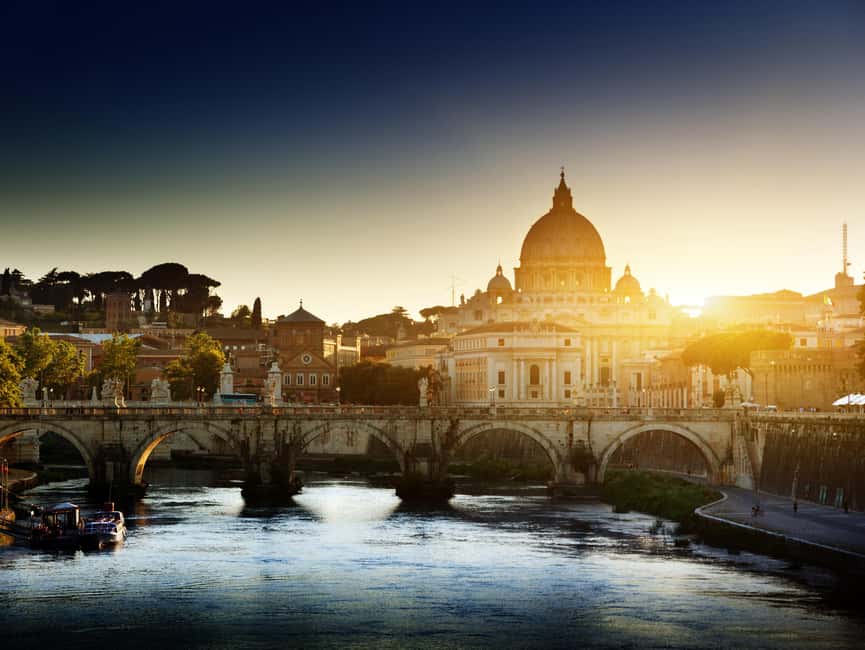
Now for the big finale: the Sistine Chapel stop, around 20 minutes with a guided format. That time is short, but it can be perfect if you go in with a plan.
What to focus on fast:
- Michelangelo’s ceiling, including Creation of Adam
- The altar area with the Last Judgment
- The way the composition reads from a distance first, then rewards you when you raise your gaze and slow down
The key is that you’re not trying to “see everything.” You’re trying to see what makes it iconic—then let your brain connect the dots between all the classical and Renaissance groundwork you covered earlier.
Also remember the vibe inside the chapel: it’s quiet, rules are stricter, and people move carefully. If you’re used to fast museum wandering, treat this like a different kind of space—part chapel, part art shrine.
Old Papal Apartments: Why This Part Matters Beyond the Headlines
Even though the Sistine Chapel gets the oxygen, the “old papal apartments” component adds depth. It’s the bridge between the museum world and the Vatican as a seat of decision-making.
This tour includes the historic papal apartments experience and features rooms like the Borgia Apartment in the program. What you’re really doing here is moving from art as display to art as institutional identity.
The result is that when you leave the Vatican, you can explain what you saw more clearly:
- where the Vatican’s collecting mindset shows up
- how classical influence feeds Renaissance art
- how fresco and painting become messaging tools inside the Vatican itself
That’s a big deal, because it turns a checklist trip into a story you can keep telling.
Price and Value for a 3-Hour Priority-Entry Route
At $101.36 per person for about 3 hours, the cost is easier to judge if you focus on what you’re buying.
You’re not only buying a guide. You’re buying:
- priority entry into major sites (time-saving)
- a guided route through multiple high-demand areas in one block
- a small group (max 10), which usually means less waiting and less lost time inside
If you were trying to do this alone, you’d still face the same bottlenecks—security, timing, and deciding what’s worth your attention first. Paying for a guided plan can be the difference between feeling overwhelmed and feeling oriented.
This is also a good price point if you’re traveling with limited time in Rome. You get several marquee stops without turning your Vatican day into a full-day ordeal.
Who This Tour Fits Best (and Who Might Want Another Option)
This tour is built for people who want structure. If you enjoy art but don’t want to plan every turn, it’s a strong fit.
You should also like the pacing if you prefer:
- a guided route with key rooms rather than wandering
- an organized plan that moves you from galleries to sculpture to painting
- a small group where you can stay together
A clear mismatch: the experience is not suitable for people with mobility impairments and not suitable for wheelchair users. Since you’ll be walking through museums and navigating indoor spaces, this is worth respecting up front.
If you’re sensitive to time limits, keep in mind the Sistine Chapel is about 20 minutes. It’s enough to hit the essentials, but not enough for anyone who needs long, uninterrupted breathing-room at each fresco.
The Guide Factor: What Makes It Worth It
The tone in the feedback is consistent: guides like Christiana, Tatiana, Patricia, Chris, and Monica are praised for being professional and helpful, and for making the art feel readable instead of intimidating.
What that looks like in practice is simple:
- You get pointed attention, not random facts
- The guide helps you prioritize the most important elements in each room
- The flow stays smooth even when you’re surrounded by crowds
You’ll also benefit from questions during quieter moments. With small groups, it’s more likely you’ll actually get an answer instead of being swept along.
Should You Book This Vatican Museums and Sistine Chapel Tour?
I’d book this if your goal is a focused, high-impact Vatican visit with priority access and a route that covers the big stops plus the art-world connective tissue.
Skip it if:
- you need a lot more time in the Sistine Chapel than about 20 minutes
- you have mobility constraints and can’t comfortably handle walking and indoor pacing
- you prefer total independence and don’t want a structured guide plan
If you’re here for the highlights and you want to avoid turning the day into a waiting game, this tour is a solid choice. It’s not trying to do everything. It’s trying to do the right things, in the right order, with the crowd pressure under control.
FAQ
How long is the Vatican Museums and Sistine Chapel guided tour?
The tour duration is 3 hours. Starting times depend on availability.
How many people are in the group?
The group is limited to a maximum of 10 participants.
Does the tour include priority entrance or skip-the-line access?
Yes. It includes priority entrance into all sites and skip the line through a separate entrance.
Where do you meet the guide?
You meet outdoors at Via Tunisi, 4, 00192 Roma, with the guide at the very bottom of the stairs. Look for Maximus Tours.
What sites are included in the guided experience?
The included stops cover Vatican Museums, Sistine Chapel, Raphael Rooms, Old Papal Apartments (including the Borgia Apartment), and specific galleries and sculpture areas such as the Gallery of Maps, Gallery of Tapestries, Gallery of the Candelabra, the Greek Cross Room, Cortile del Belvedere, Belvedere Torso, and Laocoön.
How long is the Sistine Chapel portion?
The Sistine Chapel stop is listed as about 20 minutes.
What language is the tour guide?
The live tour guide is English.
What should I bring and wear?
Bring your passport or ID card and wear comfortable shoes. Avoid shorts, short skirts, and sleeveless shirts.
Is food or transportation included?
No. Food and drinks aren’t included, and transportation isn’t provided.
Is this tour suitable for wheelchair users or mobility impairments?
No. It is listed as not suitable for wheelchair users and not suitable for people with mobility impairments.
More Tour Reviews in Rome
- Skip-the-Line Group Tour of the Vatican, Sistine Chapel & St. Peter’s Basilica
★ 4.5 · 12,779 reviews