REVIEW · VATICAN CITY
Rome Small-Group Shared Tour from Civitavecchia: 8 People Max
Book on Viator →Operated by Driverinrome · Bookable on Viator
Rome in one cruise day, minus the stress. This semi-private overview tour is built to help you get your bearings fast with an air-conditioned minivan and the kind of access big buses can’t manage. You’ll roll from Vatican-area icons to classic ruins with a driver who keeps the day moving, and small groups like the ones led by Matt, Ricardo, Costinel, and Carlo.
I love the small-group format (max 8) because it keeps the pacing human, not herd-like. I also like the practical stop plan: quick hits at major landmarks like the Pantheon and Trevi Fountain, plus time at places such as the Roman Forum that usually feel overwhelming when you’re rushing on your own.
One thing to plan around: entry fees are not included, and the tour does not provide a walk-with-you guide inside sites, so you’ll rely on what you’re told from the van and what you read on the spot.
In This Review
- Key things worth knowing before you go
- Price and what you actually get for $167.96
- Civitavecchia pickup to Rome arrival: how the day stays on schedule
- Janiculum Hill and the view game (Garibaldi, Domes, and the Tiber)
- Circus Maximus to Domus Augustana: where Rome watched chariot racing
- Teatro Marcello and the Roman Forum: two stops that change how you see ruins
- Trevi and the Pantheon: the photo stops that are worth planning for
- Piazza Navona to St. Peter’s Square: finishing strong near Vatican City
- What the driver can and can’t tell you once you’re outside
- Who this tour fits best (and who should consider another option)
- The real value: avoiding the Rome chaos without pretending you can do everything
- Should you book this Rome shore tour from Civitavecchia?
- FAQ
- How many people are on the tour?
- Are ticketed attraction entry fees included?
- Is the Vatican Museums included?
- Do I need a ticket to visit the Pantheon interior?
- Can I enter St. Peter’s Basilica?
- Where is the pickup from the cruise port?
Key things worth knowing before you go
- Small-group speed: up to 8 passengers means you spend less time waiting and more time looking.
- Van access for tight streets: you can get close to sights that larger buses can’t reach.
- Short, timed stops: many stops are around 10–20 minutes, so bring your must-do photos list.
- Pantheon reality check: exterior is free; interior requires a ticket (10 euros as of July 2023).
- Vatican Museums not on the route: this trip focuses on St. Peter’s Square and nearby sights.
- Driver commentary stays in the van: Italian rules limit commentary once you’re outside.
Price and what you actually get for $167.96
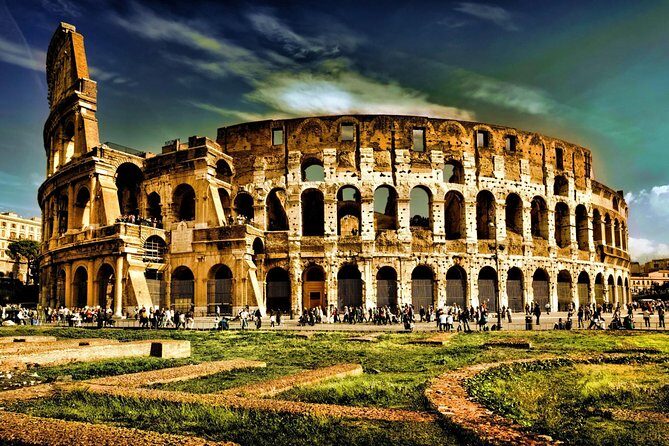
At $167.96 per person, you’re paying mainly for transportation and interpretation from the vehicle: a driver, air-conditioned shared small-group van, and organized port pickup/drop-off designed to protect your cruise schedule.
What you should not assume is included: admission tickets, lunch, gratuities, and any inside “wandering guide” experience. The wording is clear that entry fees are on you. That matters because Rome’s top sights can add up quickly, especially if you decide you want the Pantheon interior and any other ticketed stops that fit your timing.
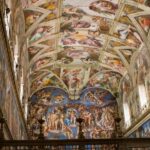
Other small-group Sistine Chapel tours in Vatican City

Civitavecchia pickup to Rome arrival: how the day stays on schedule
This is a shore excursion, so the schedule is built around your ship. You’ll want to send your ship name, docking time, disembarkation time, and departure time so the driver can coordinate pickup. The driver meets you at the ship holding a sign with your name, and the instructions are to avoid taking a shuttle. If anything goes sideways, you call the local emergency number.
Once you’re in Rome, the biggest advantage of this format is that you’re not spending energy figuring out traffic, parking, and who knows which back street will take you closest. The driver’s job is to position the van so you can walk less and see more—something that shows up in the way passengers describe parking close to key spots and keeping the day fluid.
A realistic expectation: a cruise day usually means heavy driving time before you even hit Rome’s central sights. Plan for that early-morning grind and don’t treat each stop as a long, deep visit.
Janiculum Hill and the view game (Garibaldi, Domes, and the Tiber)
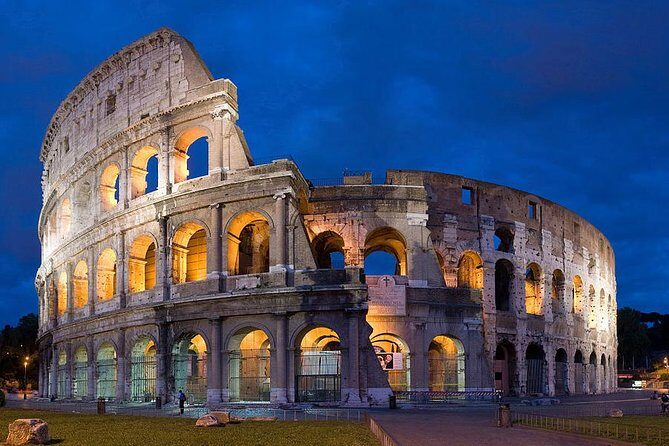
You start on Piazzale Giuseppe Garibaldi, with 15 minutes at Janiculum Hill. This is a smart first move because it gives you scale: Rome’s church domes and bell towers show up in one wide panorama. It’s also where you’ll see Giuseppe Garibaldi’s statue, tied to Italy’s 19th-century unification story. Even if you don’t memorize names, the view helps everything else you see later make more sense.
From there you’ll briefly reference the Tiberina Island, a tiny island in the southern bend of the Tiber River tied to healing since ancient times and still associated with a hospital today. You won’t linger long, but the stop is useful for understanding why the Tiber matters so much to the city’s layout.
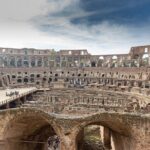
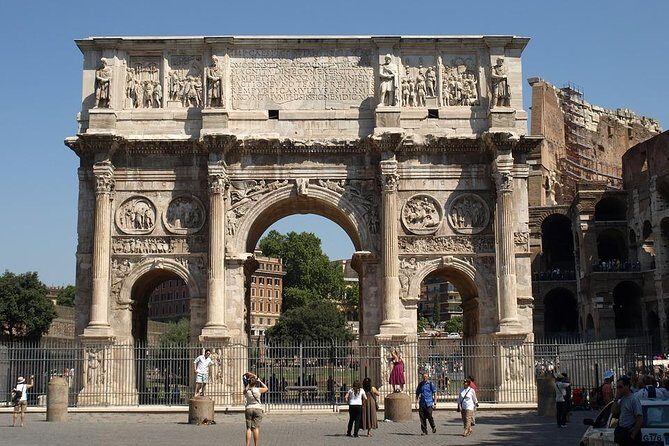
Then there’s a quick pass at the Arch of Constantine near the Colosseum—again, short and efficient, but placed so you get the monument in context without an entry fee.
Circus Maximus to Domus Augustana: where Rome watched chariot racing
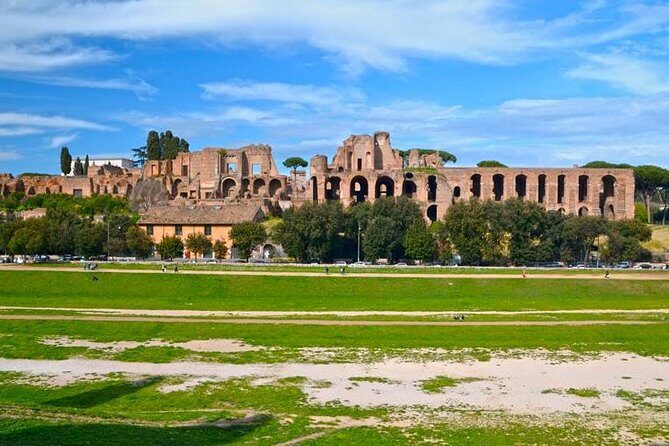
Next you hit Circus Maximus (10 minutes). This is the massive ancient chariot-racing arena area made famous through pop culture, but it’s valuable even if you know nothing about Roman sports. It’s a reminder that Rome wasn’t only about temples and tombs—it was also about spectacle and crowd energy.
A few minutes later is Domus Augustana (10 minutes) on the Palatine Hill. The point here is perspective: Emperor Augustus could watch the races from a royal palace position, so you’re basically tracing how power and entertainment overlapped in everyday Rome.
If you’re trying to decide whether this tour is worth it, this part is a good example of the value proposition. You don’t get deep entry-ticket experiences here, but you do get location context fast—especially if you’re visiting for the first time and you want a mental map before your next trip.
Teatro Marcello and the Roman Forum: two stops that change how you see ruins
Teatro Marcello is one of those Rome-in-one-shot architectural surprises. The structure began as an arena in the late Roman Republic, and later centuries built dwellings on top. That’s why it feels different from a “standalone” ruin: you’re watching Rome’s layers stack—ancient entertainment space turned modern living space.
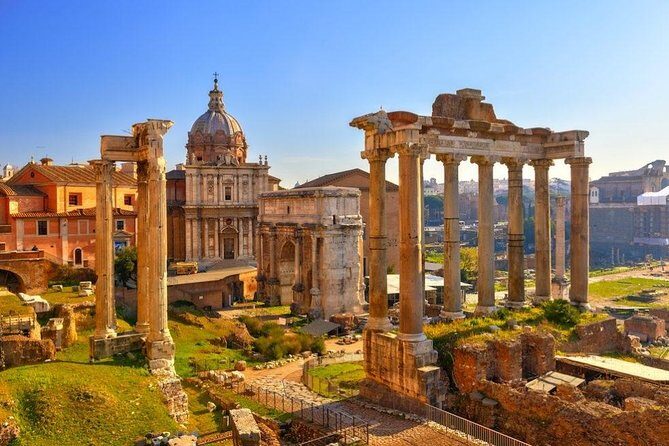
Then you move to Foro Romano from the back side of the Capitoline Hill. You’ll get about 20 minutes here, which is short, but it’s still enough to do something important: identify the Roman Forum as the civic center of ancient life. The guide context includes structures tied to civic speeches such as the Rostra area where Marc Antony spoke over Julius Caesar’s body.
If you’re sensitive to fast pacing, you’ll want to have a quick plan before you arrive. Pick 2–3 spots you want to photograph, because this is not the day for a slow stroll and heavy reading.
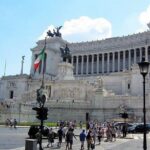
You also get Piazza Venezia area context: the large white-marble monument to Victor Emmanuel and the balcony across the piazza tied to Mussolini’s speeches. It’s a striking way to connect ancient Rome’s public spaces to the political theater of later Italy.
Other Sistine Chapel tours from Civitavecchia cruise port

Trevi and the Pantheon: the photo stops that are worth planning for
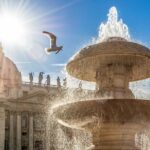
Trevi Fountain is next, with about 20 minutes. This is one of the best “tight-time” attractions in Rome because it’s iconic from every angle and the surrounding streets are part of the experience. It’s also tied to films like Federico Fellini’s La Dolce Vita, which gives you an easy cultural hook while you’re standing there.
Then comes the Pantheon. You’ll have 20 minutes, and here’s the key: exterior viewing is free, but as of July 2023 a ticket is required to enter the interior. The interior ticket cost is listed as 10 euros per person, and you can purchase on site.
This is where I’d make your choice based on your priorities. If you care most about the vibe and engineering, the interior is the real payoff. If you’re on a tight schedule and just need the classic silhouette and façade photos, the exterior still delivers.
Practical tip: if you go for the interior, keep an eye on time and lines. This tour isn’t built around long queue waits, and the itinerary assumes you return to the van on schedule.
Piazza Navona to St. Peter’s Square: finishing strong near Vatican City
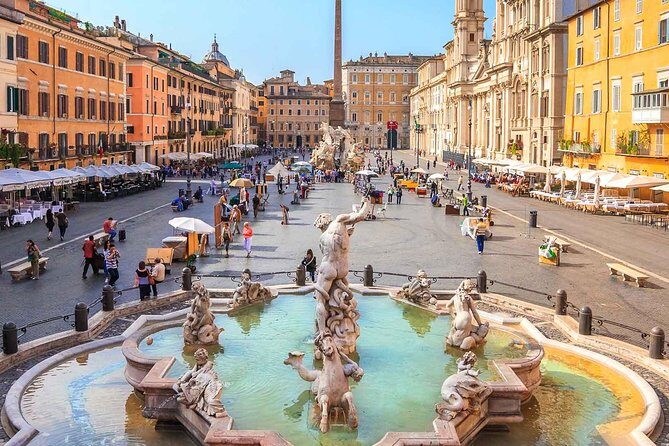
Piazza Navona is your next stop (about 15 minutes). It sits on the site of Domitian’s stadium, then transformed into a Baroque plaza. You’ll see three fountains, including Bernini’s Fontana dei Quattro Fiumi (Fountain of the Four Rivers). Even in a brief stop, the fountains help you “read” the architecture—this square wasn’t randomly built; it was intentionally designed as a stage.
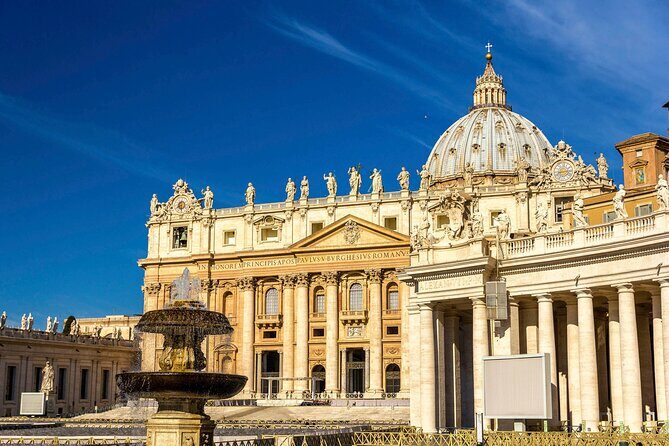
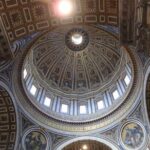
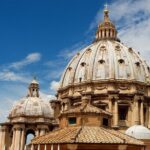
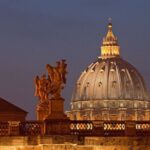
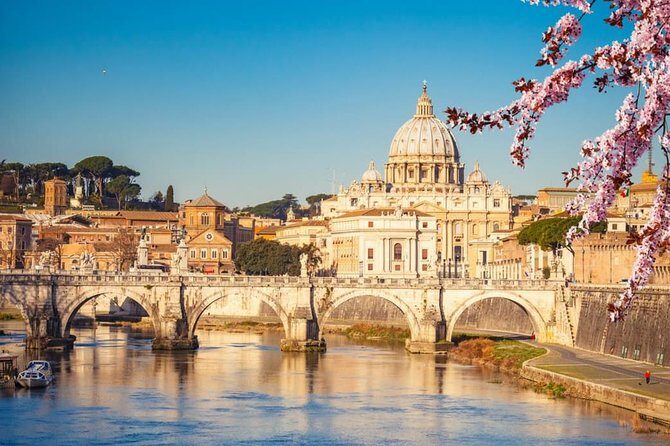
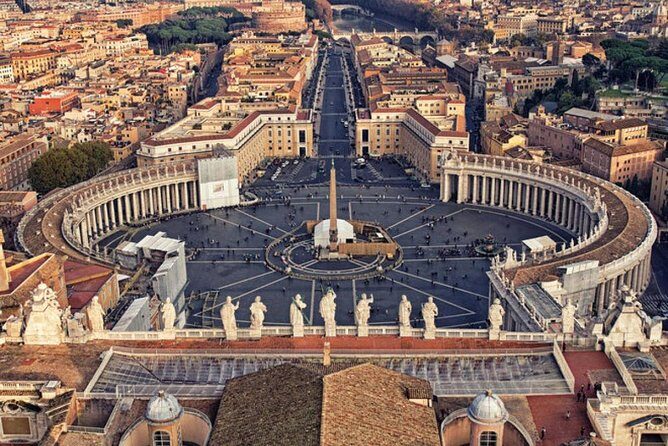
From there, the tour ends at St. Peter’s Square (about 1 hour). This is the part of the day where timing matters most. The colonnades by Bernini create that instantly recognizable frame, and you get a broad view of Christendom’s largest church.
Time permitting, you can enter the basilica. The data is specific on the rules: there’s no fee to enter the church, but you need shoulders and knees covered. Also, if a mass is happening, entry may be restricted. In high season, expect security lines to be long, so treat basilica time as a possible bonus, not guaranteed.
Important note: Vatican Museums are not included in this excursion. If that’s your main reason for visiting Vatican City, you’ll need a different plan.
What the driver can and can’t tell you once you’re outside
One of the most misunderstood parts of Rome touring is how licensed guidance works. Here, the professional driver provides commentary from inside the vehicle. Due to strict Italian laws protecting licensed guides, the driver cannot explain sights once you’re outside the van.
That means you should adjust your expectations. You’ll get helpful narration during the rides, and you’ll see landmarks with just enough time to take photos and absorb the basics—but you won’t get the kind of step-by-step, at-your-side explanation you might see in a private walking tour with an authorized guide.
If you want deeper inside-site interpretation, consider pairing this type of shore excursion with another experience later in your trip.
Who this tour fits best (and who should consider another option)
This is a great match if:
- You’re on a first-time Rome visit from a cruise port and want the “big picture” fast.
- You don’t want to navigate driving, parking, and timing on your own.
- You’d rather get close to landmarks by minivan than walk all day.
It may be less ideal if:
- You want long museum-style time at major sites (this is mostly timed viewing).
- You’re counting on a guide to walk with you inside every stop.
- Your day needs maximum flexibility, because strict return times keep the schedule working.
If you have limited mobility, the tour notes that this shared format still has walking time at each stop. In that case, a private tour may feel more comfortable because you can slow the rhythm and request longer time where you need it.
The real value: avoiding the Rome chaos without pretending you can do everything
The best part of this excursion is the balance it strikes. You get a lot of famous stops without the full-on grind of large bus tours, and the small-group setup helps you feel like you’re moving with a plan instead of fighting traffic and crowds.
Also, it doesn’t try to sell you on museum-heavy promises. It gives you an overview arc: viewpoints, ancient Rome anchors, Renaissance/Baroque icons like Trevi and Piazza Navona, then a strong Vatican-area ending at St. Peter’s Square.
If you go into it knowing that entry fees are extra and each stop is timed, the day feels efficient. If you go into it expecting a deep, guide-led museum day, it’ll feel rushed.
Should you book this Rome shore tour from Civitavecchia?
I’d book it if your goal is simple: get your bearings in Rome, see the headline sights, and avoid the stress of self-navigation on a cruise schedule. The max 8-person format and air-conditioned minivan make it feel civilized, and the itinerary’s mix of viewpoints plus major landmarks is a smart first-timer strategy.
I’d skip it (or plan a different supplement) if you’re aiming for big-ticket interior experiences like extended Vatican Museums time, or if you want long, slow visits with detailed inside explanations. In that case, your money may go farther in a more focused tour.
If you’re deciding between this and doing it alone, remember this: Rome is doable on your own, but doing it on a cruise clock is where tours like this earn their keep.
FAQ
How many people are on the tour?
This is a shared small-group tour with a maximum of 8 travelers per minivan.
Are ticketed attraction entry fees included?
No. Admission tickets are not included in the price. You can arrange skip-the-line tickets upon request.
Is the Vatican Museums included?
No. The Vatican Museums are not included on this excursion.
Do I need a ticket to visit the Pantheon interior?
Yes. Exterior viewing is free, but as of July 2023 a ticket is required to visit the interior (10 euros per person). You can purchase on site.
Can I enter St. Peter’s Basilica?
Time permitting, you can enter the basilica. There is no fee to enter, but you must have shoulders and knees covered. Entry may be restricted if mass is taking place.
Where is the pickup from the cruise port?
Your driver meets you at the ship holding a sign with your name. You should not take a shuttle, and you must provide your ship name and timing details (docking, disembarkation, and departure).