REVIEW · ROME
Rome: Sistine Chapel Early Morning Access
Book on GetYourGuide →Operated by Rome in tours · Bookable on GetYourGuide
Early mornings in Rome make everything easier. This Sistine Chapel early access tour gets you into the Vatican Museums and the Sistine Chapel fast, with expert art context that helps the whole place click.
What I like most is the pairing of art and archaeology brainpower: your guide is either a Ph.D. archaeologist or art historian. I also like the pacing—you’re led through major galleries, then you’re in the Sistine Chapel with time that doesn’t feel like a rushed drive-by.
One key catch to plan around: you must bring a valid ID (or a copy for the allowed cases), follow the dress rules, and keep bags small. If you ignore those basics, you can be turned away at the gate.
In This Review
- Key highlights worth your morning
- Why the early-access format is the smart move
- Getting to Viale Vaticano: meeting point basics that prevent stress
- Vatican Museums: a guided hit list that still feels meaningful
- Courtyard of the Pigna: where you reset your eyes
- Museo Pio Clementino and the feel of a curated sculpture program
- Cortile Ottagono and the value of “in-between” spaces
- Gallery of the Candelabra: decorative ambition in a tight time block
- Gallery of Tapestries: the power of visual storytelling
- Gallery of Maps: learning without feeling like studying
- Raphael Rooms: the Pope Julius II connection
- Sistine Chapel: how to make 30 minutes count
- The real value of the small group here
- Saint Peter’s Square and Basilica: masterpieces that land right after the Chapel
- Price and value: what you’re really paying for
- Who should book this early Sistine Chapel access tour
- Should you book it? My practical call
- FAQ
- Do I need a valid ID to enter?
- Where is the meeting point?
- How long is the tour?
- What language is the guide in?
- What’s included in the price?
- Does the tour skip the ticket line?
- Are there dress or bag restrictions?
- Is the tour wheelchair accessible?
Key highlights worth your morning
- Early priority entry means less time queued and more time looking closely
- A guide who can explain the art with Ph.D.-level depth (archaeology or art history)
- Small-group feel so you can ask questions and move as a real group
- You see both the Sistine Chapel and Saint Peter’s Basilica on the same itinerary
- Stops include the Raphael Rooms, plus galleries like Maps, Tapestries, and Candelabra
- You get a Sistine Chapel brochure to take in what you’re seeing
Why the early-access format is the smart move
The Vatican is not one museum. It’s hundreds of rooms worth of attention tests. The early-access plan matters because you’re arriving when the crowds are still forming, not when they’re fully unleashed. That changes the rhythm of your visit. You can actually look up, slow down, and read what the guide is pointing out.
This tour is also built around an idea most self-guided visits struggle with: you’ll get a story for what you’re seeing. A Ph.D. archaeologist or art historian guide doesn’t just name artists. They connect works to the people, politics, and cultural goals behind them—so the rooms feel less like a checklist.
The total time is about 2.5 hours, which is short compared to how long Vatican Museums can swallow a day. That’s a plus if you’re in Rome for limited time. It’s also a reality check: you’ll see major highlights, not every corner of the museum maze. If you love wandering for hours, you might need a longer Vatican plan too.
Other Sistine Chapel tours we've reviewed in Rome

Getting to Viale Vaticano: meeting point basics that prevent stress
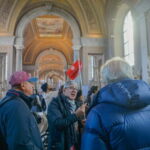
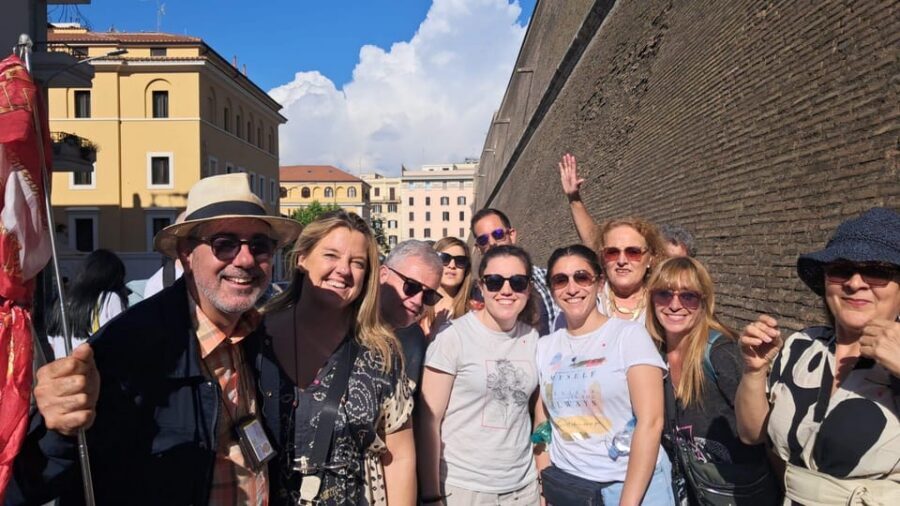
You meet at the Vatican Museums entrance at Viale Vaticano, 100. Look for the gate with statues of Michelangelo and Raphael. That landmark matters because it’s easy to miss a meeting point in this area—streets are busy and signage can be confusing.
Before you go in, line up your essentials. This tour requires a valid ID for all participants the day of the tour. The rules are strict: if you don’t have it, entry can be denied. Bring your passport or ID card. For children, the tour info specifies an ID card copy accepted and also notes a student card should be brought, so if any of your group qualifies, put those documents in reach.
Dress matters here more than at many Roman sights. The tour notes no shorts, no short skirts, no sleeveless shirts—and it explicitly says shoulders and knees must be covered. If you’re visiting in warm weather, plan a light layer that covers both. You’ll feel better walking faster.
Also keep luggage expectations realistic. The tour prohibits luggage or large bags, and it also flags no large umbrellas and no big backpacks. If you show up with something bulky, you’ll waste time figuring out storage. Better to travel light.
Vatican Museums: a guided hit list that still feels meaningful
Once you’re through the initial entry, you don’t start with the biggest names. You start with context—courtyards, galleries, and the kind of spaces that help you understand how the Vatican Museum experience works.
You’ll spend time on guided visits in the Vatican Museums, including specific stops that keep the route efficient. The tour includes:
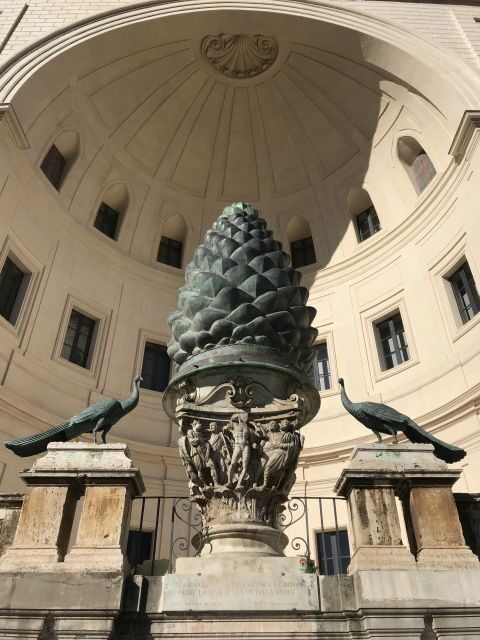
- Courtyard of the Pigna (about 15 minutes)
- Museo Pio Clementino
- Cortile Ottagono (about 15 minutes)
- Gallery of the Candelabra (about 10 minutes)
- Gallery of Tapestries (about 10 minutes)
- Gallery of Maps (about 10 minutes)
- Raphael Rooms (about 20 minutes)
Here’s why that selection works. You get variety fast—sculpture, decorative arts, and “information rooms” like the Maps gallery. Instead of only looking at famous frescoes, you see how the Vatican displayed power and knowledge through art, objects, and design.
Courtyard of the Pigna: where you reset your eyes
The Courtyard of the Pigna is short but useful. Courtyards like this help you slow down after moving indoors. It also sets you up for the next cluster of galleries. In practice, those 15 minutes give your brain a break without letting you fall behind the group.
Museo Pio Clementino and the feel of a curated sculpture program
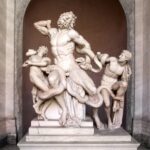
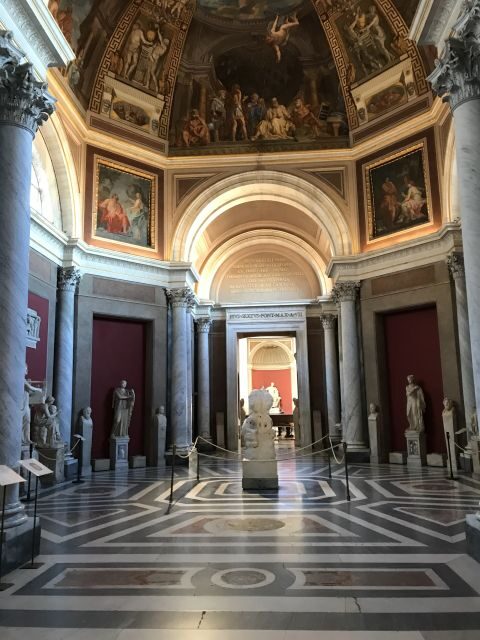
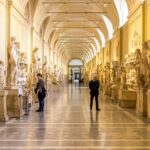
Then you step into Museo Pio Clementino. This is the kind of space where sculpture history becomes easier to grasp because the setting feels like an organized museum world, not just a room. Even if you don’t know every piece, you’ll understand the vibe: the collection is designed for looking, comparing, and appreciating classical influence.
Other early-access and before-opening Sistine Chapel tours


Cortile Ottagono and the value of “in-between” spaces
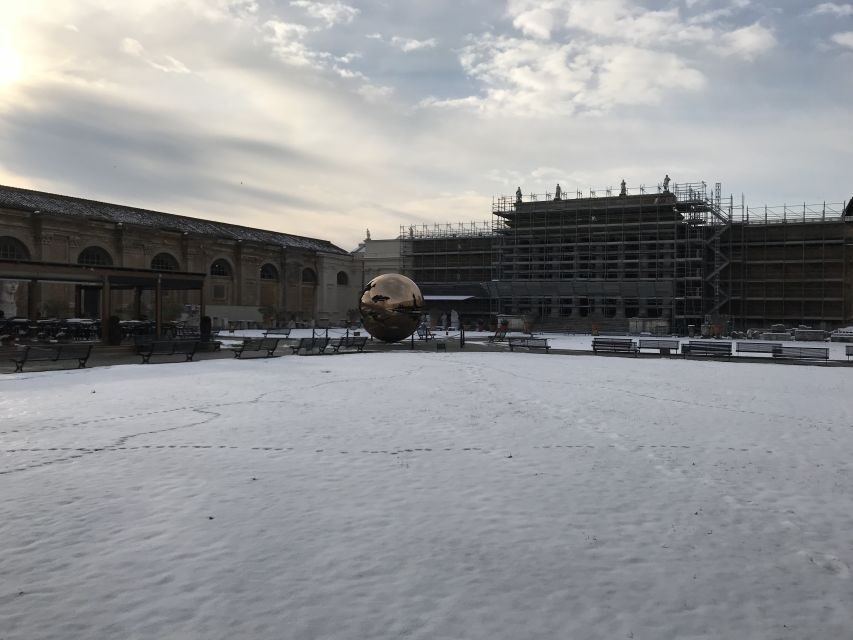
You also stop at Cortile Ottagono for about 15 minutes. I like these in-between stops because they keep the pace from becoming one long sprint. You’ll get brief outdoor/space perspective, which helps when you’re moving from sculpture halls to painted rooms.
Gallery of the Candelabra: decorative ambition in a tight time block
Next is the Gallery of the Candelabra (about 10 minutes). Even in a short visit, galleries like this can change your perception. You start noticing not only what’s represented, but how the Vatican treated art as a total environment—space, lighting, and display all part of the message.
Gallery of Tapestries: the power of visual storytelling
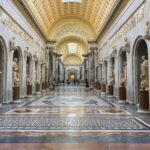
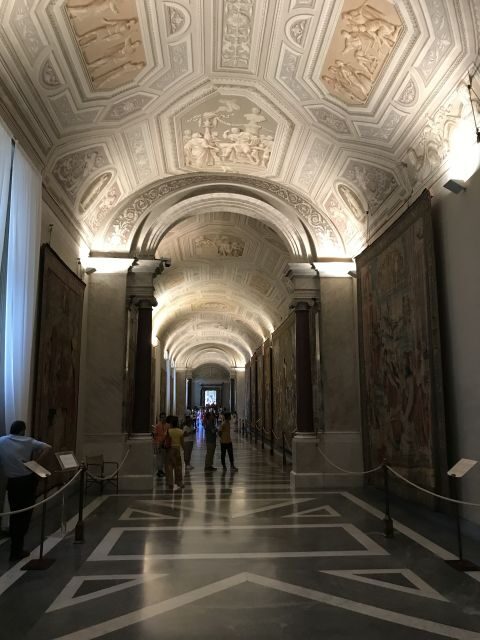
Then comes the Gallery of Tapestries (about 10 minutes). Tapestries here aren’t just decorative. They act like visual narratives—big, detailed scenes designed to impress from a distance. In a guided format, you don’t just look. You learn what you’re seeing and why it mattered.
Gallery of Maps: learning without feeling like studying
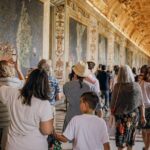
The Gallery of Maps (about 10 minutes) is one of the most practical stops on this tour. It’s not “art history class” in the boring sense. It’s a room that shows how knowledge and geography were displayed. You get a guided explanation so the maps stop looking like background and start reading like the Vatican’s worldview.
Raphael Rooms: the Pope Julius II connection
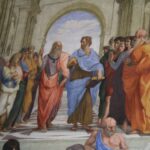
The tour moves to the Raphael Rooms for about 20 minutes. This is a highlight, even if you’ve only heard snippets about it before.
One detail that really matters for your understanding: the route includes the private apartment of Pope Julius II, painted by Raphael. That matters because it frames the art as more than masterpiece output. It was political messaging, personal branding, and religious storytelling all at once.
In a small-group tour, you usually don’t have to stand there guessing what you’re looking at. The guide can point out themes and explain why Raphael’s work was influential in the first place. And since your time is controlled, you won’t get stuck spinning in a crowded room without a plan.
Sistine Chapel: how to make 30 minutes count
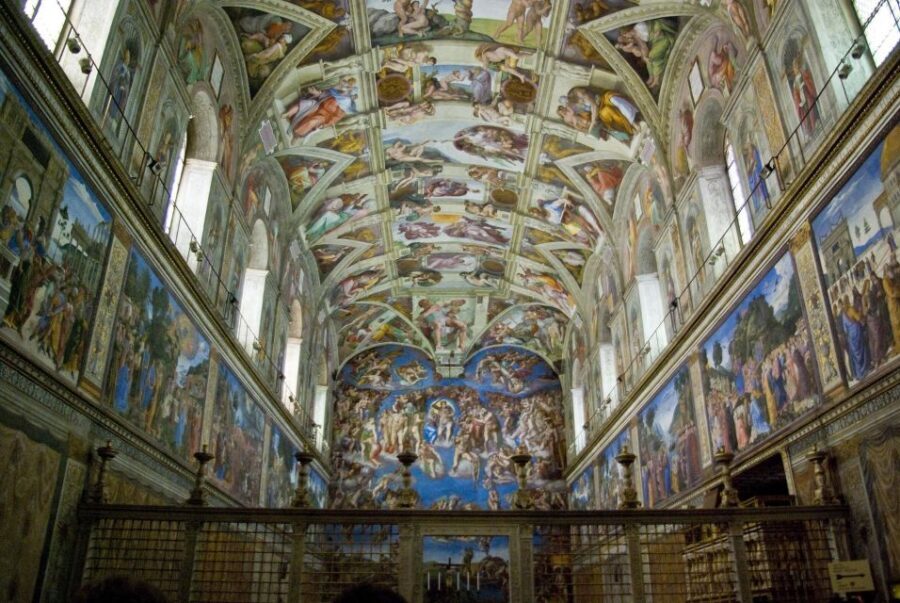
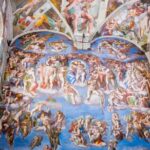
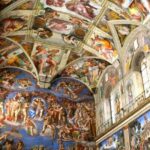
The tour sets aside about 30 minutes in the Sistine Chapel, guided. That’s a workable chunk of time, especially because the tour is designed for early entry. You’re also positioned to be among the first visitors, which makes a real difference for visibility and comfort.
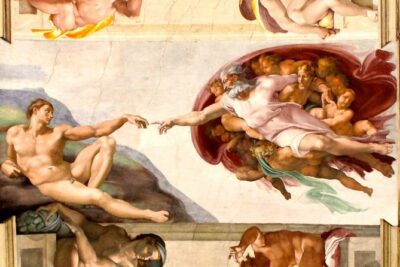
Here’s the practical advice: plan to look up and stay patient with your eyes. The ceiling rewards time, and it’s hard to take it in if you keep rushing. A guide helps because you’re not only scanning. You’re following stories and visual logic—who’s where, what’s being emphasized, and how the work connects to the altar area.
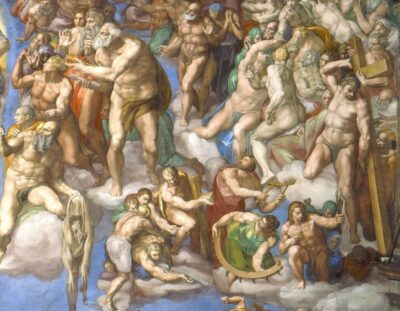
Michelangelo is the obvious headline, but the tour context matters. You’ll hear about how Michelangelo spent 9 years painting the ceiling and the altar wall. That long timeframe isn’t trivia. It explains why the Sistine Chapel feels like a designed universe, not a set of separate scenes.
You also receive a Sistine Chapel brochure, which you can use as a reference while the guide talks. If you’re the type who likes to re-check after the tour, it’s useful for turning your memory into something more solid.
The real value of the small group here
Big crowds flatten the experience. With a smaller group, the guide can respond to questions and keep the flow steady. The experience won’t feel like you’re trying to hear a lecture while dodging elbows. You get the kind of attention that makes the artwork feel less distant.
Saint Peter’s Square and Basilica: masterpieces that land right after the Chapel
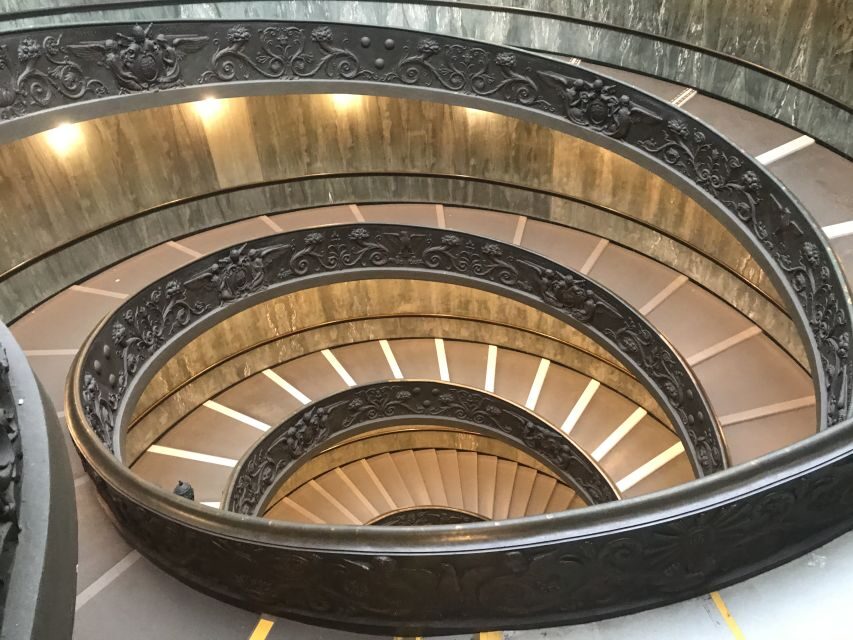
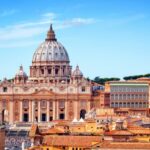
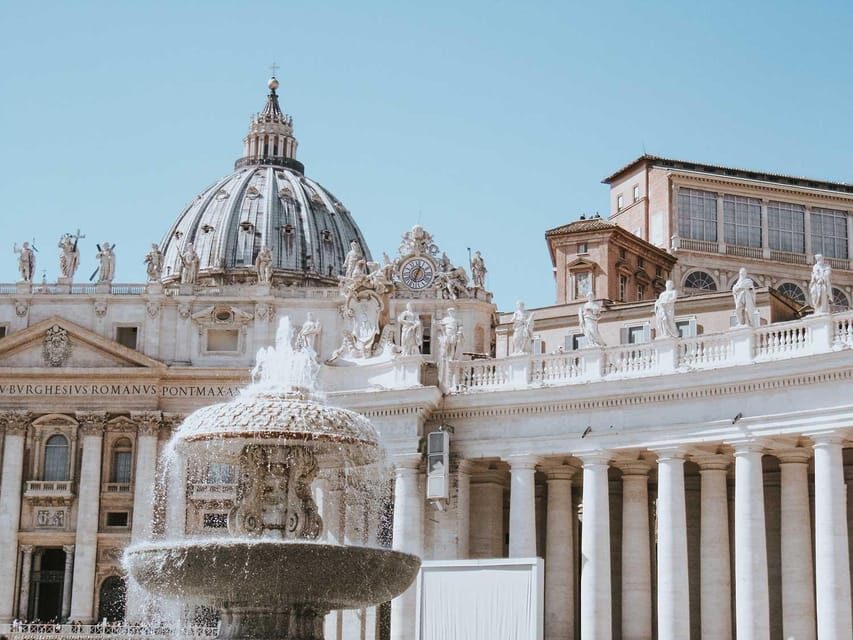
After the Sistine Chapel, you move to Saint Peter’s Square for a short photo stop plus a brief guided/sightseeing look (about 5 minutes). It’s quick, but it’s the right kind of breather. The visual transition from the Chapel to the square helps your brain switch from painted detail to architectural scale.
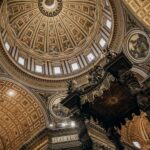
Then you go into St. Peter’s Basilica for about 30 minutes. This is where the tour finishes with guided attention. You’ll see major works highlighted for you, including Michelangelo’s Pietà and Bernini’s Canopy over the main altar.
This pairing makes sense. The Sistine Chapel gives you a concentrated dose of painting and storytelling. St. Peter’s Basilica gives you sculpture and architecture built to move people emotionally in real space. If you walk through only one of them, you miss the full contrast.
One small thing to keep in mind: the tour notes the finish point as St. Peter’s Basilica, while the general activity description also says it ends back at the meeting point. Since those details conflict, check your confirmation message the day before. In any case, you’re clearly ending in the Vatican area, so plan your next stop accordingly.
Price and value: what you’re really paying for
At $220.91 per person for about 2.5 hours, this isn’t a cheap “just get me in” option. The value comes from four places the time-limited traveler actually cares about:
1) Priority entry / skip the ticket line
If you’ve ever watched a Vatican queue eat half a morning, you know why skipping matters.
2) Tickets included
The tour lists ticket fees as included. That reduces the mental overhead of budgeting and prevents surprises.
3) The guide’s expertise
You get a professional art historian or Ph.D. archaeologist. In a short tour, that matters more than it does on a long museum wander, because you’re asking a guide to choose the right path and explain it.
4) A small-group format
Small groups translate into fewer interruptions and more back-and-forth. The reviews highlight guides who love history and archaeology and know how to keep things moving, including a standout named Ferdinando. That kind of energy matters in a place like this, where timing and attention are both fragile.
So is it worth it? If you want the top sites without losing your morning to lines and confusion, the math tends to work. If you prefer slow self-guided time, you might do better with a longer Vatican pass and a guide just for the Chapel.
Who should book this early Sistine Chapel access tour
This tour fits best if you:
- Have a packed Rome schedule and want the key Vatican highlights in about 2.5 hours
- Like learning from an expert, not just taking photos
- Prefer a small-group pace over a free-for-all
- Want both the Sistine Chapel and St. Peter’s Basilica handled in one go
It’s also a good choice if you’re traveling with someone who gets impatient with museum aimlessness. A guided route keeps the visit from turning into a guessing game.
It’s less ideal if you:
- Want a full deep museum day
- Need step-free access and are relying on a wheelchair-friendly program
The tour info explicitly says it is not suitable for wheelchair users, and it notes that if a wheelchair is needed for mobility impairments, you should contact the local partner so a private itinerary can be customized. So plan accordingly.
Should you book it? My practical call
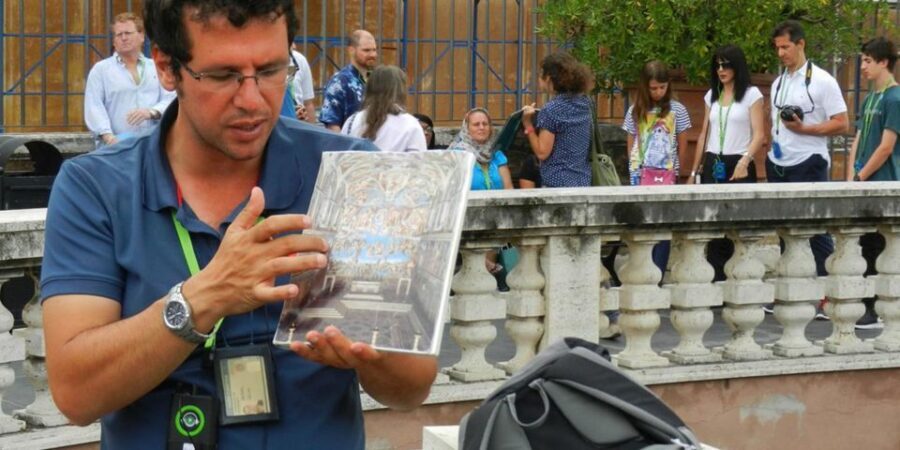
Book this tour if you want a smart, time-saving way to experience the Vatican’s loudest masterpieces with expert interpretation. The early entry and priority handling are the real value, and the route is built to hit the highest-impact rooms without dragging your morning into exhaustion.
Skip or reconsider if your group isn’t ready for strict rules—bring the required ID, dress with covered shoulders and knees, and travel with small bags. This is one of those experiences where the tour can’t adjust to last-minute chaos.
If your dates are set and you’re excited about pairing art history with hands-on guidance, this is a strong bet for a first Vatican visit.
FAQ
Do I need a valid ID to enter?
Yes. A valid ID is required the day of the tour for all participants. If you do not show ID, entry to the Museums can be denied.
Where is the meeting point?
You meet at the Vatican Museums entrance at the gate with statues of Michelangelo and Raphael, Viale Vaticano, 100, 00192 Rome.
How long is the tour?
The duration is listed as 2.5 hours. Starting times vary, so you’ll want to check availability for the times offered.
What language is the guide in?
The live tour guide is English.
What’s included in the price?
Included items are the expert guide (professional art historian or Ph.D. archaeologist), priority entry, ticket fees, and a Sistine Chapel brochure.
Does the tour skip the ticket line?
Yes. It’s listed as skip the ticket line via priority entry.
Are there dress or bag restrictions?
Yes. You cannot wear shorts, short skirts, or sleeveless shirts, and shoulders and knees must be covered. The tour also prohibits luggage or large bags, and it lists restrictions against big umbrellas and big backpacks.
Is the tour wheelchair accessible?
It’s listed as not suitable for wheelchair users. For people needing a wheelchair due to mobility impairments, the info says to contact the local partner so the itinerary can be customized on a private tour.
More Tour Reviews in Rome
- Skip-the-Line Group Tour of the Vatican, Sistine Chapel & St. Peter’s Basilica
★ 4.5 · 12,779 reviews


More Early-Access Tours at the Sistine Chapel & Vatican
More Sistine Chapel Tours at the Sistine Chapel & Vatican
- Skip-the-Line Group Tour of the Vatican, Sistine Chapel & St. Peter’s Basilica
★ 4.5 · 12,779 reviews