REVIEW · ROME
Wheelchair Accessible Sistine Chapel & Vatican Private Tour for Disable Visitors
Book on Viator →Operated by Sistine Chapel Tours · Bookable on Viator
Rome saves its biggest art moments for the Vatican. This wheelchair-friendly private tour makes the Vatican Museums and Sistine Chapel doable with real support, not just a ticket and a map. I love the focused pace and the way the guide helps you keep seeing everything. One thing to plan for: the dress code is strict, and museums don’t allow food except bottled water.
You also get the value of a guide who slows things down for you before you hit the Sistine Chapel, where talking is not allowed inside. In past bookings, guides like Max, Francesco, and Tommaso have stood out for being especially calm, accommodating, and safety-first when someone in the group uses a mobility scooter or needs help with getting positioned.
In This Review
- Key things to know before you go
- A Vatican tour that actually fits mobility needs
- Meeting at Caffè Vaticano and getting oriented fast
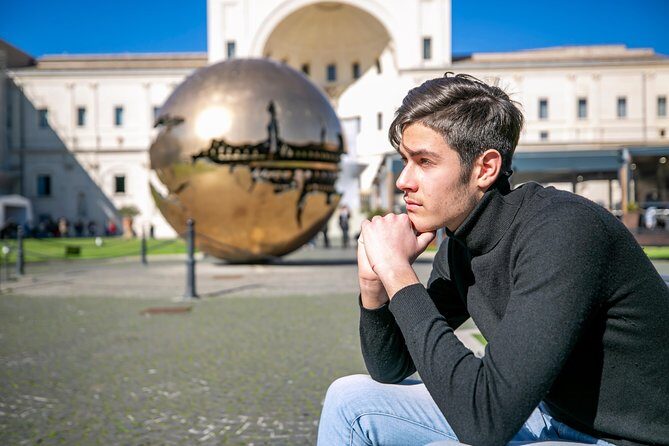
- Cortile della Pigna: starting in the Pigna Courtyard
- Vatican Museums: Pio Cristiano highlights, Maps, Tapestries, and Raphael
- Sistine Chapel: pre-briefing before the no-talking rule
- Skip-the-line value: what you’re really paying for
- Practical tips for dress code, food rules, and comfort
- Accessibility in real life: wheelchair, scooters, and smooth pacing
- Who this tour suits best
- Should you book this wheelchair Vatican tour?
- FAQ
- How long is the wheelchair accessible Sistine Chapel and Vatican private tour?
- Is this tour wheelchair accessible?
- Does the tour include skip-the-line access?
- What stops are included in the itinerary?
- Is St Peter’s Basilica included?
- What is the dress code?
- Are food and drinks allowed during the museum portion?
- What is the group setup and language?
Key things to know before you go
- Guaranteed skip-the-line entry: you’re set up to bypass the long waits at the museums.
- Wheelchair and mobility-scooter friendly planning: the route is built around accessibility from start to finish.
- Stop-by-stop structure: Pigna Courtyard, Vatican Museums highlights, then straight to the Sistine Chapel.
- Real art context before the chapel: your guide sets up what you’ll see before you enter.
- No talking inside the Sistine Chapel: which makes the guide’s pre-brief especially helpful.
- Strict entry rules: shoulders and knees covered; no shorts or sleeveless tops.
A Vatican tour that actually fits mobility needs
The Vatican can be a maze, even when you’re able-bodied. Corridors, lines, and crowds are the easy way to lose time—and frustration—especially if you’re pushing a wheelchair, using a mobility scooter, or needing a careful, steady route.
This tour is built for you to enjoy the art without constantly fighting the environment. It’s a private setup, so your guide can adjust on the spot and keep things safe. It’s also designed around the main hits you actually came for: Vatican Museums, Raphael’s Rooms, and the Sistine Chapel—without dragging you through extra stops that don’t help.
Other Sistine Chapel tours we've reviewed in Rome
Meeting at Caffè Vaticano and getting oriented fast
You meet at Caffè Vaticano, Viale Vaticano 100, 00192 Roma RM, Italy. The good news is that it’s near public transportation, so you’re not stuck figuring out Rome’s last-mile problem before you even start.
From there, the first move matters: you’re guided to the museum entrance area and you pass people in the long queues. That one step alone can make the whole day feel less stressful, because you’re not spending precious mobility energy standing in a line.
A small practical note from real-life situations: if you’re unsure where to find your guide, be ready to contact the tour team quickly so they can get you matched up. One guide experience specifically mentioned an initial meetup confusion that was fixed fast through direct communication.
Cortile della Pigna: starting in the Pigna Courtyard
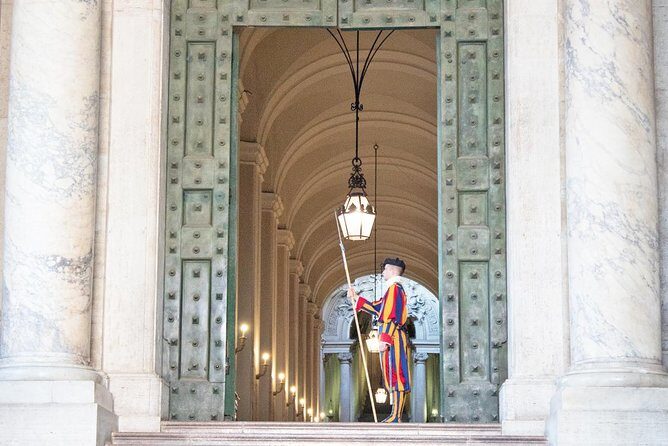
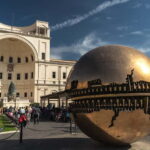
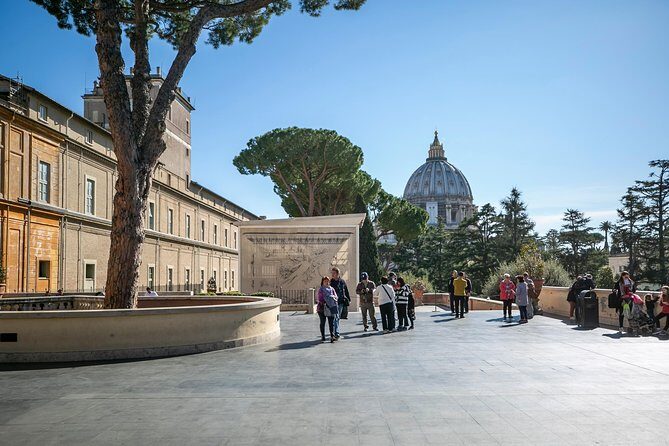
Your tour begins in the Cortile della Pigna, about an hour devoted to this first stop. This is where you’ll see the famous Pinecone sculpture—often called the Pineapple in tour shorthand—set in the courtyard area right as you enter.
Why this stop is more than a warm-up:
- It helps you get your bearings early, before the big museum rooms and the Sistine Chapel rush.
- It sets the tone with iconic Vatican imagery right away, so the art feels real from minute one.
- It’s also a practical entry moment for accessibility needs, since you’re still at the “start” stage of the route.
The main drawback here is simple: it’s still a museum approach with lots of movement. But because it’s early and guided, you’ll generally avoid the worst crowd friction.
Vatican Museums: Pio Cristiano highlights, Maps, Tapestries, and Raphael
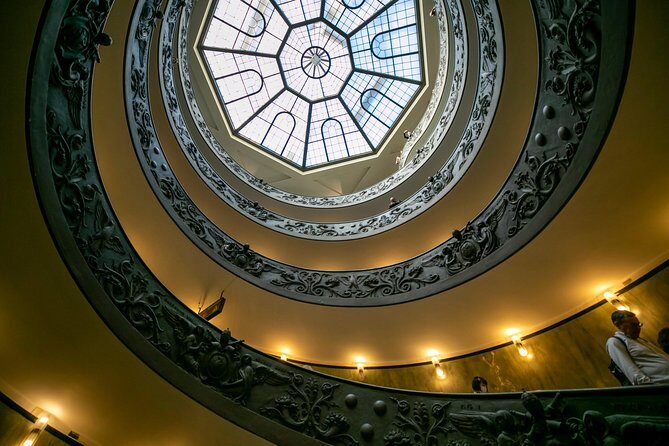
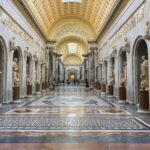
After the courtyard, you move into the Vatican Museums and spend about another hour on major collections. The route includes access to the Pio Cristiano Museum and two standout spaces: the Gallery of Tapestries and the Gallery of Maps.
Here’s what’s special about those rooms:
- The Gallery of Maps is one of the largest displays of Renaissance maps anywhere, and it’s one of those places where the art feels surprisingly modern. You’re looking at geography as a visual achievement, not just a diagram.
- The Gallery of Tapestries gives you a different kind of texture and color. Even if you don’t usually do museums by the clock, these rooms help break up the pace so you don’t feel like you’re just marching from fresco to fresco.
Then you head to Raphael’s Rooms. These are rooms painted in the 1500s by Raphael for Pope Julius II, and the tour focuses on two of his most famous young works: Parnassus and School of Athens.
What the guide adds (and why you should care)
In a museum, you can stand in front of a masterpiece and still not know where to look first. With this tour, your guide gives context so you don’t just see paintings—you start noticing how they’re organized, what the scenes are doing, and why people still talk about them.
For wheelchair users, this matters because you don’t have the option of endlessly repositioning. A good guide helps you land on the right viewing angle early, so you spend your time looking at the art instead of adjusting and waiting.
Sistine Chapel: pre-briefing before the no-talking rule
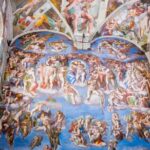
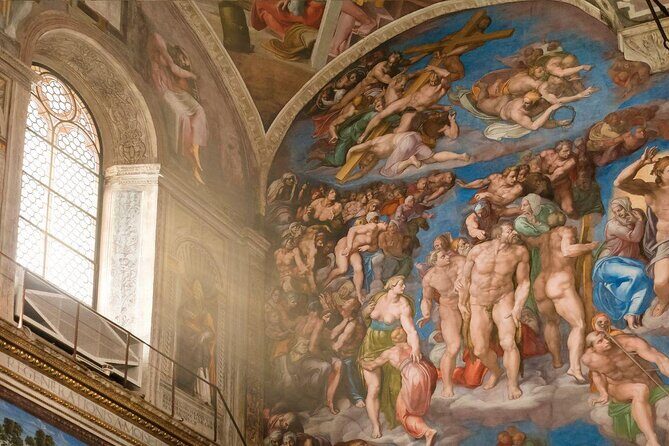
Your tour ends in the Sistine Chapel, with the final hour dedicated to this main event. Before you enter, your guide gives an explanation—then you go inside with the rule that no talking is allowed.
That structure is a big deal. Without it, many people rush in, look up for a few seconds, and then feel like they missed the point because they don’t know what they’re seeing. With the pre-brief, you’re primed to notice major scenes and details right away.
What you’ll be seeing includes:
- Michelangelo’s The Last Judgment
- Wall frescoes by Botticelli (spelled Bollicelli/Botticelli on many tours) and other Renaissance artists
The best part of this setup is pacing. You’re not left to figure out how to experience a masterpiece at the speed of a crowd. Your guide’s job is to keep you informed so your eyes know where to go.
Also, accessibility support is clearly part of the process. One mobility-scooter experience highlighted that the guide coordinated getting the right wheelchair support for the descent/lift area to reach the Sistine Chapel comfortably. If you’re using a scooter, it’s smart to mention how you’ll transfer and what your comfort level is during the first minutes with your guide.
Other private Sistine Chapel tours in Rome

Skip-the-line value: what you’re really paying for
At $355.21 per person, this tour isn’t the cheapest way to see the Vatican. But it’s aiming at something that’s hard to replace: time, energy, and stress control.
Here’s how the value usually shows up for wheelchair users:
- You’re paying for a system that moves you past the long queues, instead of relying on your own endurance.
- You’re buying private attention, which can translate into smoother movement and fewer frustrating delays.
- You’re not only getting access—you’re getting a structured walkthrough that makes limited viewing time more meaningful.
The duration is about 3 hours. That’s a good length for a wheelchair-focused day because you’re not stuck all-afternoon waiting, and you still get the full arc: courtyard, core museums, then the chapel.
One more small planning tip: this tour is often booked about 66 days in advance on average. If you’re traveling during a busy season or have specific access needs, earlier planning gives you more choices and reduces last-minute stress.
Practical tips for dress code, food rules, and comfort
The Vatican is strict on clothing. You’ll need knees and shoulders covered for both men and women. That means no shorts and no sleeveless tops. If you show up dressed wrong, you can risk being refused entry, so treat this like a real checkpoint, not a suggestion.
Food and drinks follow museum rules too. You can’t eat in the museums, except bottled water. That’s normal for major sites, but for accessibility it affects your comfort planning. If you need snacks for medication timing, plan bottled-water breaks around your route and ask your guide what works best.
Comfort and logistics also matter inside the Sistine Chapel. You’ll be standing or seated in a fixed viewing position longer than you expect, and the ceiling art rewards patience. Wear comfortable footwear with supportive soles, and bring a light layer in case indoor temperatures run cooler than you’d guess.
Finally, consider your personal mobility plan for transfers. If you’re using a mobility scooter, the tour is set up for that kind of mobility support, but you’ll still want to tell your guide your preferred transfer style and any limits you have. The tour’s best experiences come when you and the guide align early on safety.
Accessibility in real life: wheelchair, scooters, and smooth pacing
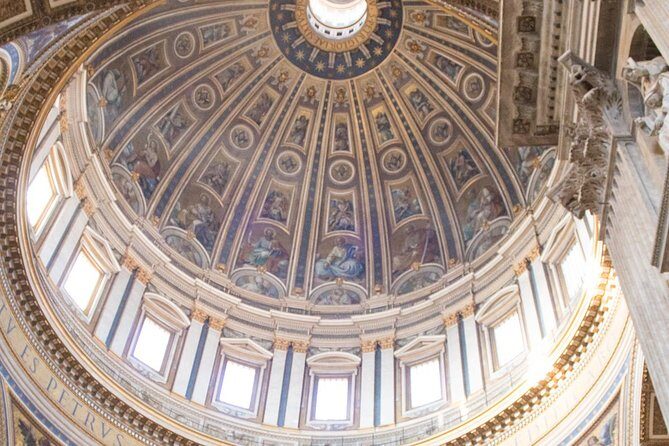
This is the kind of tour where the details of access planning matter more than the marketing words.
What I like about the way it’s set up:
- It starts early at the museums entrance area so you’re not building your day on a late scramble.
- It includes major galleries that are central to the Vatican experience, so you’re not wasting time on detours.
- It ends at the Sistine Chapel with a guided explanation that helps you get more value out of each minute inside.
What you should consider:
- Even with accommodations, any Vatican visit includes tight corridors, turning spaces, and crowds outside the most controlled areas. You’ll want to keep your expectations realistic and treat the guide as your main tool for avoiding friction.
- Some inside elements may require coordination for descent/lift areas, especially for anyone who needs help transitioning to the chapel viewing area. It’s worth raising your needs in the first moments.
In short: if you want art, not hassles, this tour format is a smart fit.
Who this tour suits best
This tour is a strong match if:
- You use a wheelchair or mobility scooter and want a Vatican Museums + Sistine Chapel route that’s built around accessibility.
- You care about getting meaningful context, not just passing through rooms.
- You want a private experience where your guide can respond to your pace and positioning needs.
It may not be the best fit if:
- You prefer to wander independently for long stretches with no structure. Here, the value is in the planned flow and the guide’s pre-briefing.
One thing to know: St Peter’s Basilica is not included in this tour. If St Peter’s is a must for you, you’ll want a separate plan.
Should you book this wheelchair Vatican tour?
If you’re looking at the Vatican and thinking, I want the highlights, I need an accessible plan, and I don’t want to burn half the day fighting crowds, this is a solid choice. The price reflects the real benefits you feel most: private attention, skip-the-line entry, and guided explanations timed to how the Sistine Chapel actually works.
My advice: book it if you want structure and support more than you want freedom to roam. And if you’re bringing a mobility scooter or wheelchair, go in with your key questions ready so your guide can make your day smooth from the Pigna Courtyard to the chapel.
FAQ
How long is the wheelchair accessible Sistine Chapel and Vatican private tour?
It runs for about 3 hours.
Is this tour wheelchair accessible?
Yes. It is specifically designed to make the Vatican Museums and Sistine Chapel accessible for wheelchair users, with accommodations arranged during the visit.
Does the tour include skip-the-line access?
Yes. It includes guaranteed skip-the-line access.
What stops are included in the itinerary?
You visit Cortile della Pigna, then the Vatican Museums (including key galleries and Raphael’s Rooms), and finally the Sistine Chapel.
Is St Peter’s Basilica included?
No. St Peter’s Basilica is not included.
What is the dress code?
You must cover knees and shoulders. No shorts or sleeveless tops are allowed, and entry can be refused if you do not meet the dress code.
Are food and drinks allowed during the museum portion?
Food and drinks are not allowed in the museums except for bottled water.
What is the group setup and language?
This is a private tour, and it is offered in English.
More Private Tours at the Sistine Chapel & Vatican
More Sistine Chapel Tours at the Sistine Chapel & Vatican
- Skip-the-Line Group Tour of the Vatican, Sistine Chapel & St. Peter’s Basilica
★ 4.5 · 12,779 reviews