REVIEW · SISTINE CHAPEL
Vatican & Sistine Chapel Private Guided Tour
Book on GetYourGuide →Operated by Private Tours of Rome · Bookable on GetYourGuide
Michelangelo in a 3-hour sprint.
This private Vatican tour is a tight, well-guided route through the Vatican Museums, Raphael’s Rooms, and the Sistine Chapel, with a true art-historian steering the conversation. The goal is simple: help you see the big masterpieces and also understand what you’re looking at, without losing half your day to queues.
I especially love the guide focus on the art itself, not just dates and names. One guide name you’ll see praised is Ms. Alessandra Petrilli, noted for taking time for everything and pointing out the special details that many people miss. I also like the small group setup (up to 10), which keeps the pace from feeling rushed but still gets you through a lot.
One thing to plan around: the dress code. Shorts, short skirts, sleeveless shirts, and uncovered knees/shoulders can get you turned away at the start. So if you’re packing light for summer, build your outfit around covered shoulders and knees.
In This Review
- Key highlights worth planning for
- What You Actually See in These 3 Hours
- Meeting at Viale Vaticano and Handling Bags the Smart Way
- Vatican Museums First: How the Art-Historian Sets the Frame
- Room of Animals, Candelabra Gallery, and Roman Mosaics
- Sobieski Hall and the Raphael Rooms: Where Meaning Comes Through
- Sistine Chapel: Michelangelo’s Ceiling, Plus the Stories Around It
- Price and Value: Is $350.05 Per Person Worth It?
- Who This Tour Fits Best (and Who Should Rethink It)
- Should You Book This Vatican & Sistine Chapel Private Tour?
- FAQ
- How long is the Vatican and Sistine Chapel private guided tour?
- Where do we meet for the tour?
- Does the tour include the Basilica?
- Do you really skip the long lines to the Vatican?
- What should I wear to enter?
- Is this tour wheelchair accessible?
Key highlights worth planning for
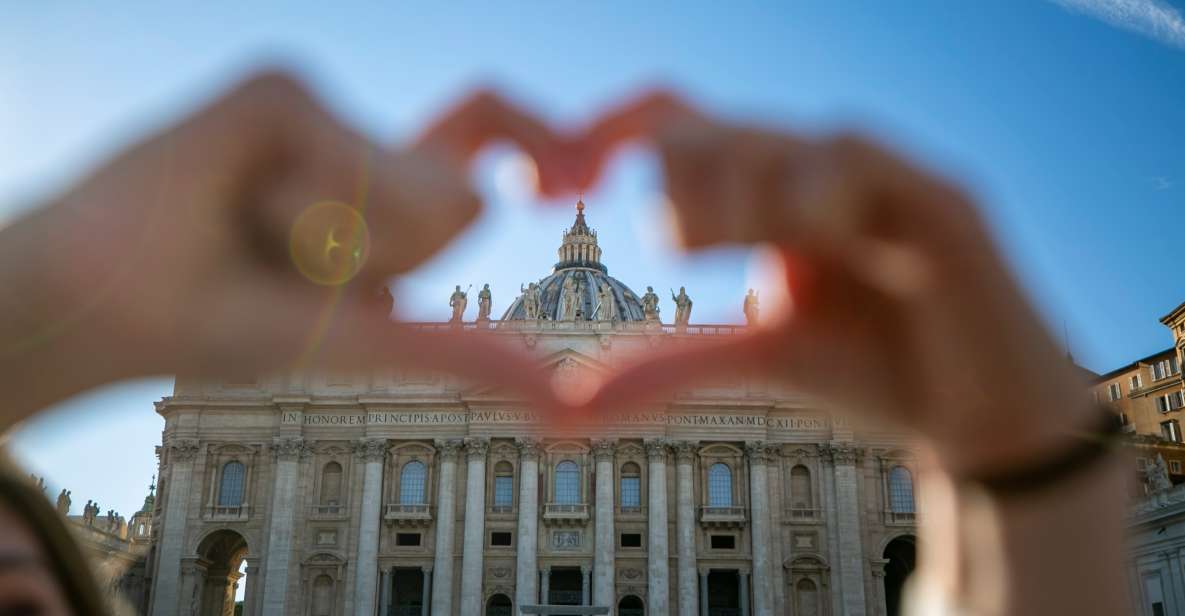
- Skip-the-line access to keep your time focused on the art, not the crowd shuffle
- Art-historian guidance that explains what you’re seeing in the Vatican Museums and Raphael Rooms
- Raphael Rooms focused on the big works like School of Athens and Parnassus
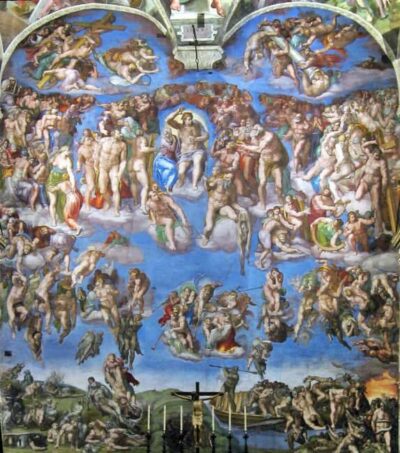
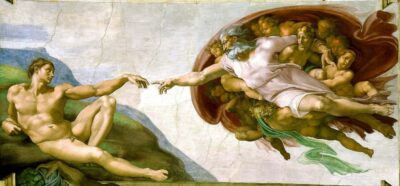
- Sistine Chapel viewing with guided context for scenes like Creation of Adam and Last Judgement
- Small group limit (10 people) for a calmer, more personal experience
- Bag and umbrella storage before the tour to help you travel lighter inside
What You Actually See in These 3 Hours
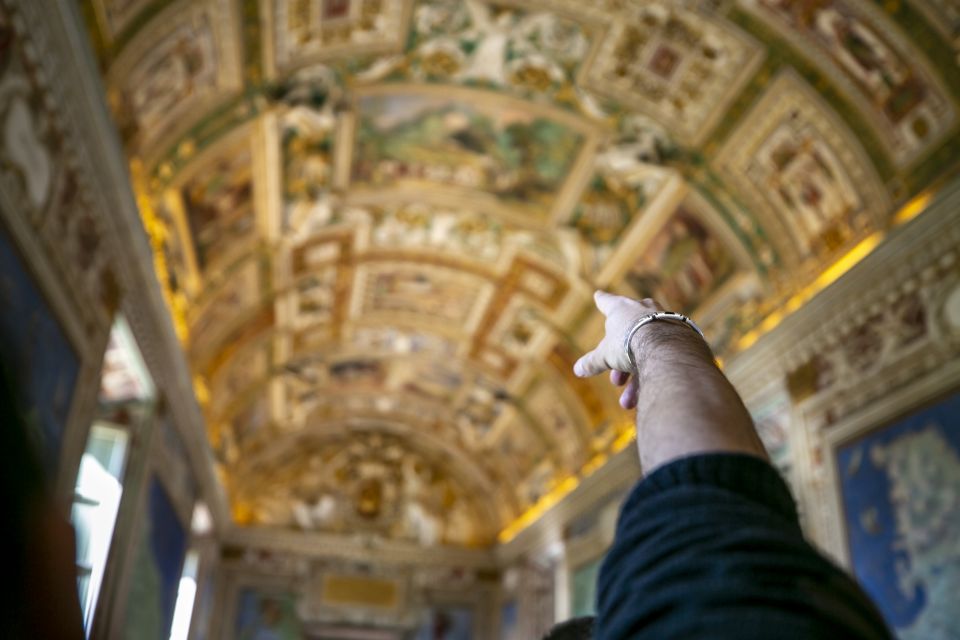
This isn’t a “walk until you’re tired” kind of tour. It’s built like an art-history guided highlight reel, with enough structure that you end at the Sistine Chapel knowing how the pieces connect.
You spend your time in three main zones:
- Vatican Museums (Greek and Roman statuary, mosaics, and major galleries)
- Raphael’s Rooms (major fresco cycles under Pope Julius II)
- Sistine Chapel (Michelangelo’s ceiling and the wider narrative frescoes along the walls)
Because the tour lasts about 3 hours, you’ll feel the pace. That can be a positive if you’re short on time, visiting for the first time, or you hate wasting your energy standing still. But if you like to linger for 20 minutes per room, you may want extra time after the tour to return on your own.
If you're still narrowing it down, here are other tours in Sistine Chapel we've reviewed.


Meeting at Viale Vaticano and Handling Bags the Smart Way
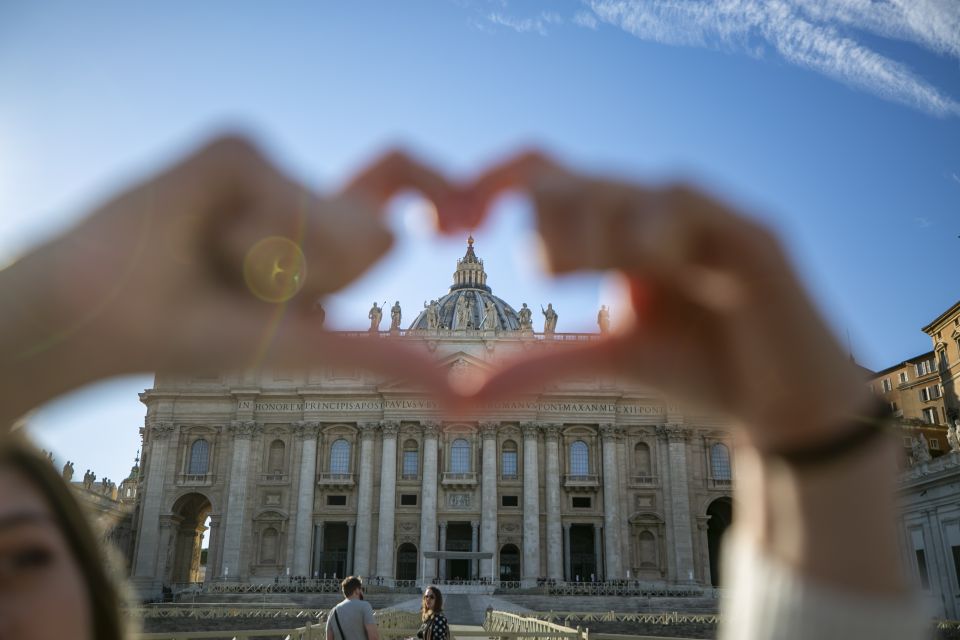
You meet at the stairs outside the Vatican Museums at the white monumental door topped with statues, on Viale Vaticano. From there, the experience is designed to help you avoid the worst of the line chaos.
Before the tour begins, you get the chance to store items like umbrellas and large bags in lockers. That matters because the tour has clear restrictions: luggage or large bags aren’t allowed during the tour itself. Translation: travel light if you can. If you’re coming from a hotel with a big day bag, plan on using the lockers so you’re not stuck dragging it around.
Also, do a quick reality check on clothing. The Vatican is strict:
- No shorts
- No short skirts
- No sleeveless shirts
- Knees and shoulders must be covered for both men and women
If you show up in summer gear, you risk refused entry. I’d rather you pick the outfit now than fix it last-minute.
Vatican Museums First: How the Art-Historian Sets the Frame
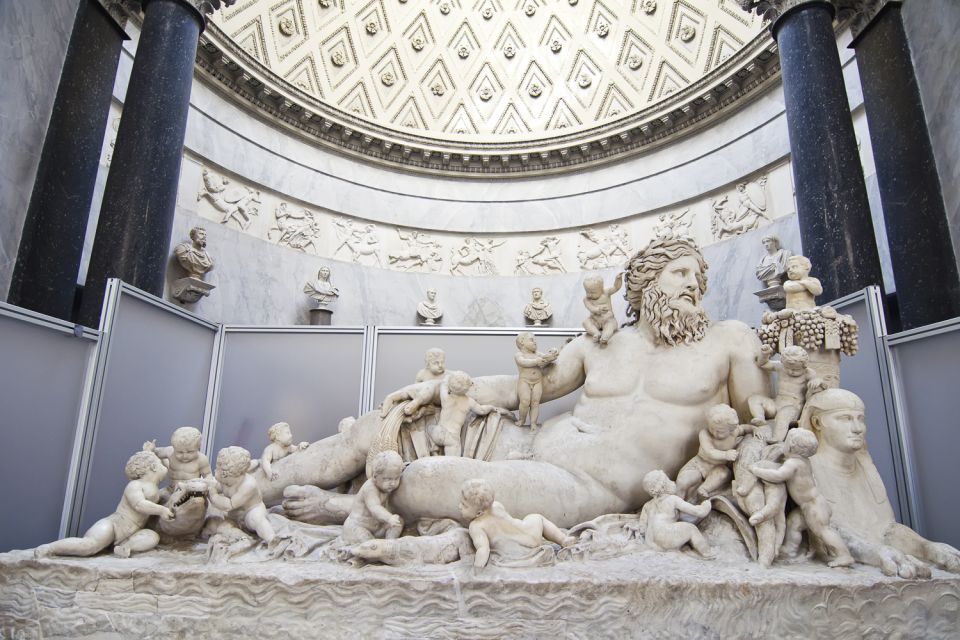
You start with an introduction into Ancient Greek and Roman craftsmanship—so you don’t just see marble. You understand why those objects mattered to later collectors and rulers, including the popes who used art to project power and taste.
Your guide points out major works and themes as you move through the museums, including:
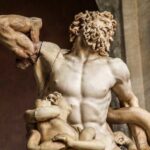
- The Belvedere Apollo
- A Torso (the famous fragment type that was studied for proportions and ideal form)
- Busts such as Claudius and Hadrian
- Sarcophagi associated with Helen and Constance, tied to the family line around Emperor Constantine
This isn’t filler. When you know what the guide is highlighting, you start noticing details you’d otherwise skip—like how certain figures are posed, how expression changes across busts, or how the museum groups sculpture to tell a story about leadership and legacy.
You’ll also see how the Vatican Museums move between categories. Statues lead into rooms of animals and decorative galleries, which can feel like a pattern shift if you’re expecting one continuous theme. The art-historian helps you see those shifts as intentional, not random.
Room of Animals, Candelabra Gallery, and Roman Mosaics
After the sculpture introductions, the tour continues through decorative spaces that show different artistic skills—not just carving, but design, symbolism, and interior “wow factor.”
Expect stops like:
- The Room of Animals
- The Gallery of Candelabra
- Roman mosaics (where pattern and storytelling sit right on the floor)
Your guide calls attention to figures and subjects that anchor the rooms. For example, you’ll hear about statues such as:
- Diana of Ephesus
- the Muses
- celebrated Greek scholars
If you’re wondering why these details matter: this part of the tour teaches you to look for recurring motifs. The same “who is this person?” question that comes up with myth and scholarship in ancient art is exactly what the Renaissance artists later remix. It’s like getting the vocabulary before reading a book.
In other words: the Vatican Museums portion isn’t only about marble. It’s about learning the visual language that makes the Raphael and Sistine sections hit harder.
Sobieski Hall and the Raphael Rooms: Where Meaning Comes Through
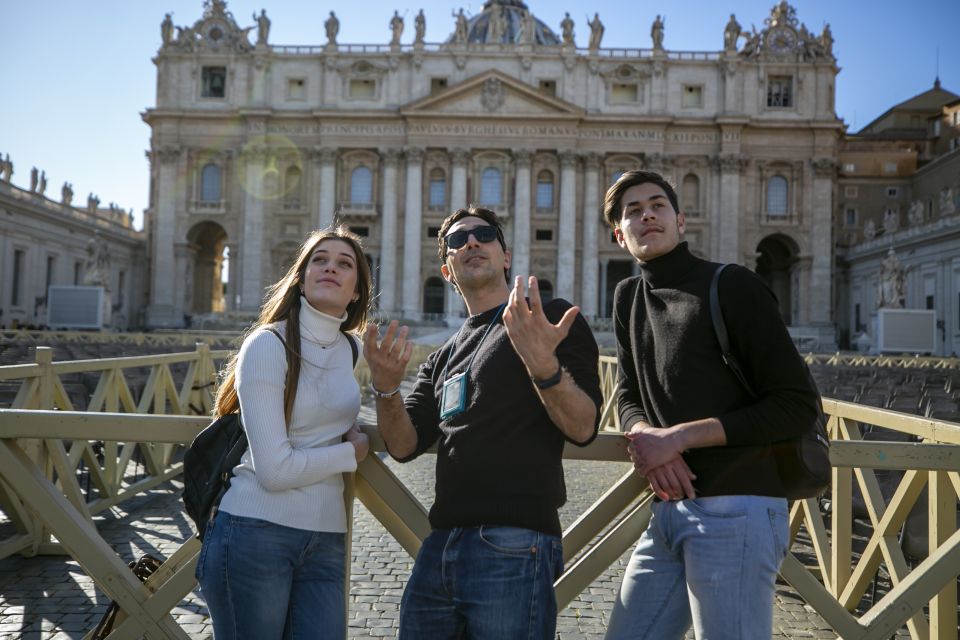
Then you transition into the rooms associated with Raphael and the Renaissance program. You’ll pass through spaces that include works like:
- the rooms with decorative wall hangings
- Sobieski Hall
- the famous Rooms of Raphael for Pope Julius II
This is where the tour’s value really shows, because the guide doesn’t treat the fresco cycles like postcards. You learn what the scenes are doing—how they build arguments about knowledge, religion, and authority.
Two major stops you’ll focus on are:
- School of Athens
- Parnassus
Both are packed with ideas. The guide helps you connect the visual crowd of philosophers and scholars (in School of Athens) to the Renaissance interest in classical learning. And Parnassus connects art, poetry, and meaning in a way that’s easy to miss if you only look for faces.
One of my favorite things about guided Raphael-room time: the “what you’re seeing” becomes a lot easier. Instead of staring at a sea of figures, you can follow the story the composition is trying to tell.

Sistine Chapel: Michelangelo’s Ceiling, Plus the Stories Around It
Finally: the Sistine Chapel. This is the stop most people book for, but it’s also the stop where a guide makes a bigger difference than you’d think.
You’ll see Michelangelo’s major ceiling fresco moments highlighted during the visit, including:
- Last Judgement
- Creation of Adam
- Genesis
- plus narrative scenes from the Stories of Moses and Jesus, with work connected to Renaissance artists such as Botticelli and Perugino
Here’s why this part is so important to do with context. The Sistine Chapel is visually overwhelming. If you come in with no framework, it can feel like you’re just admiring technique. With an art-historian style explanation, you start recognizing relationships between scenes and themes, not just individual figures.
Also, your guide will share insider facts and stories about what decorates the walls. That turns the chapel from a must-see checklist item into something that actually sticks in your brain.
Price and Value: Is $350.05 Per Person Worth It?
At $350.05 per person for a roughly 3-hour private guided tour, the value comes down to three things: time, expertise, and convenience.
1) Time savings
You get guaranteed skip-the-long-lines access. At the Vatican, time is a currency. If you’ve ever spent too long in queue chaos, you know what that’s worth.
2) Expertise
This is guided by a German-speaking art historian guide (with the tour offered in multiple languages). That tends to be a step above a generic museum guide, because you’re not just learning what the art is, but why it was made and what it was meant to communicate.
3) Convenience and group size
The group is limited to 10 participants. That helps the guide keep the experience moving without feeling like you’re trapped in a crowd stampede.
If you want the Basilica too, note that it’s not included. You’re paying for a focused Vatican Museums + Raphael Rooms + Sistine Chapel package. If that matches your goal, the price can feel reasonable. If you’re hoping for a full Vatican grand tour including the Basilica, this likely won’t meet that bigger scope.
Who This Tour Fits Best (and Who Should Rethink It)
I think this tour is a great fit if you:
- have limited time and want the strongest highlights
- care about understanding art, not only sightseeing
- prefer a small group (up to 10)
- want skip-the-line convenience
- appreciate a structured route that gets you to the chapel without wandering
You may want to reconsider if:
- you need wheelchair accessibility (it’s stated as not suitable)
- you plan to visit in clothing that violates the dress rules
- you’re expecting the Basilica as part of the tour (it’s not included)
- you don’t like a paced, 3-hour schedule
Should You Book This Vatican & Sistine Chapel Private Tour?
If your main goal is to see the Vatican Museums, Raphael Rooms, and the Sistine Chapel with an art-historian guide—and to do it without spending your day stuck in lines—this is the kind of tour I’d book. The small group limit, the line-skip guarantee, and the clear focus on major works like School of Athens and Michelangelo’s ceiling add up to good value for the time you’re spending.
My booking advice is simple:
- Book it if you want context fast and you’re okay with a strict dress code.
- Skip it if you need wheelchair access or you specifically want the Basilica included in the same visit.
If you’re traveling in shoulder-season or summer and you want a reliable, organized Vatican experience, this one checks the boxes.
FAQ
How long is the Vatican and Sistine Chapel private guided tour?
It runs for 3 hours. Starting times depend on availability.
Where do we meet for the tour?
You meet at the stairs outside the Vatican Museums at the monumental white door topped with statues on Viale Vaticano. The tour ends back at the meeting point.
Does the tour include the Basilica?
No. The Basilica is not included in this experience.
Do you really skip the long lines to the Vatican?
Yes. The tour includes guaranteed skip-the-long-lines access.
What should I wear to enter?
A dress code is required: no shorts, no short skirts, and no sleeveless shirts. Knees and shoulders must be covered for both men and women, or you risk refused entry.
Is this tour wheelchair accessible?
No. It is not suitable for wheelchair users.