REVIEW · ROME
Vatican Museums & Sistine Chapel Skip-the-Line Entry Tickets
Book on GetYourGuide →Operated by Dream Awaits Tours · Bookable on GetYourGuide
Good tickets matter in the Vatican. This one gets you skip-the-line entry into the Vatican Museums and Sistine Chapel so you can spend your time looking instead of waiting. I also like that it’s self-paced, which makes it easier to pause for details in places like the Belvedere Courtyard and the Raphael Rooms. One thing to consider: the Sistine Chapel has a temporary closure note, and at least one experience reported no discount if it was closed on arrival.
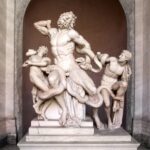
You start in the Pine Courtyard with a calm first view toward St. Peter’s Dome, then move into the Belvedere Courtyard to see the famous Belvedere Torso. From there, you can flow through major “must-sees” like the Gallery of Maps, the ornate Candelabra Gallery, and the Pio Clementino Rooms, including Laocoön and His Sons. The potential drawback is simple: there’s no guided commentary, so if you want deep narration, you’ll need to read a bit along the way.
In This Review
- Key things that make this ticket worth your time
- Skip-the-line to the Vatican Museums: what you’re really paying for
- Meeting up and getting oriented fast (so you don’t lose time)
- Pine Courtyard: the first calm view before the crowds
- Belvedere Courtyard and the Belvedere Torso: a sculpture that shaped artists
- Gallery of Maps and Candelabra Gallery: the Vatican’s visual storytelling
- Pio Clementino Rooms: ancient sculpture hits you in the face (in a good way)
- Tapestry Gallery: woven art you have to slow down for
- Raphael Rooms: The School of Athens and why these frescoes matter
- Sistine Chapel: the main event, with a big closure caveat
- After the museums: Vatican corridors and hidden-spot browsing
- St. Peter’s Basilica stop: Pietà and the big interior icons
- Practical rules that can slow you down if you ignore them
- Price and timing: how 3 hours fits the Vatican reality
- Should you book this Vatican Museums ticket?
- FAQ
- How long does the Vatican Museums and Sistine Chapel experience last?
- Is this a guided tour?
- What is included in the ticket?
- What should I bring or wear?
- Are photos allowed inside the museums?
- Is the Sistine Chapel always open?
- Does the experience include St. Peter’s Basilica?
- Is there a cancellation option?
Key things that make this ticket worth your time
- Separate skip-the-line entrance to reduce the worst waiting
- Self-paced route through the Vatican Museums, so you control the pace
- Major highlights included: Belvedere Torso, Gallery of Maps, Raphael Rooms, Sistine Chapel
- Time built in for Michelangelo’s Pietà at the end of the day
- English host/greeter who helps you get oriented on site
Skip-the-line to the Vatican Museums: what you’re really paying for
The price is $84.96 per person, and the value comes from one big thing: time. The Vatican can turn into an all-day endurance test if you’re stuck in long entry lines. With skip-the-line access through a separate entrance, you’re basically buying the ability to start your visit fast and keep it comfortable.
The route is also designed so you don’t have to commit to a strict guided schedule. That matters because the Vatican Museum complex is huge. If you’re the type who likes to stop for sculptures, lean in at fresco details, and take photos when permitted, self-paced time is a relief.
One more factor: the visit is listed as about 3 hours. That’s tight enough to feel efficient, but long enough to hit the most famous spaces without turning it into a sprint.
If you're still narrowing it down, here are other tours in Rome we've reviewed.
Meeting up and getting oriented fast (so you don’t lose time)
You’ll want to arrive at the meeting point 15 minutes before your scheduled time. This helps you avoid the annoying “I’m late, so now I’m behind” domino effect that can happen with timed entry at busy sites.
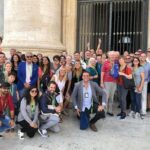
An English host/greeter is there to assist you on the day, and the on-site help seems to be a standout from real-world experiences. In one named example, Lydia made entry feel smooth and quick, with the practical help you need to find your way through the initial steps.
Also plan for the practical rules right away:
- Backpacks, large bags, and umbrellas must be checked into the cloakroom
- Flash photography is not allowed inside the museums
If you travel light, you’ll move faster. If you don’t, check your bag early and save your energy for art.
Pine Courtyard: the first calm view before the crowds
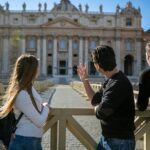
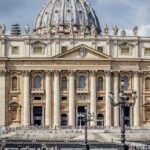
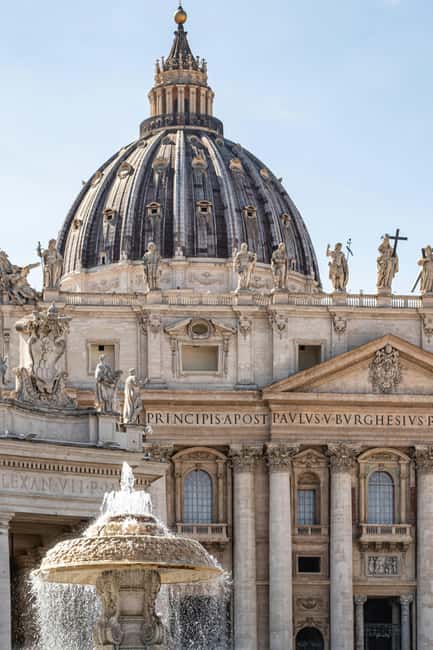
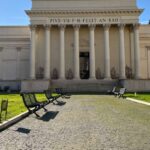
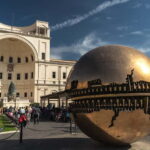
Your journey begins in the Pine Courtyard, which works as a gentle launch point. You’re not immediately swallowed by galleries and signage. Instead, you get a moment of open space and a view toward St. Peter’s Dome.
This first stop matters more than it sounds. Courtyards are where you reset your expectations and get oriented before you head into the museum flow. Think of it as the Vatican’s version of taking a breath before the main course.
Wear comfortable shoes here. You’ll be on your feet, and the museum complex doesn’t do “standing still.”
Belvedere Courtyard and the Belvedere Torso: a sculpture that shaped artists
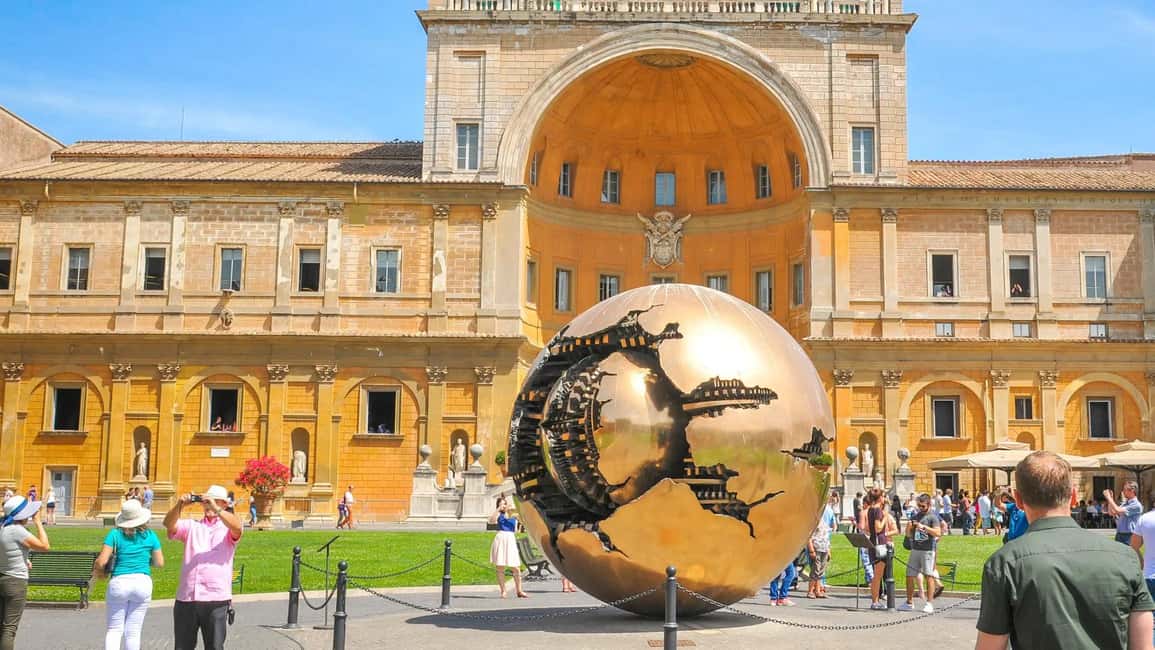
Next you’ll head to the Belvedere Courtyard, where the famous Belvedere Torso stands out as a key Renaissance inspiration. Even if you don’t know the story, you’ll feel what artists saw: the pose, the proportions, and the way the body is carved to catch light.
Why this stop is worth prioritizing is simple. In a place full of painted walls, this is where sculpture teaches you how artists learned to look at anatomy. It also gives you a break from fresco-heavy rooms right after you’ve entered.
If you’re the kind of person who likes “art history through your eyes,” spend a few minutes walking around and viewing it from different angles. The courtyard is spacious enough to do that comfortably.
Gallery of Maps and Candelabra Gallery: the Vatican’s visual storytelling
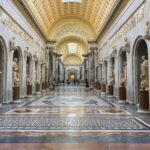
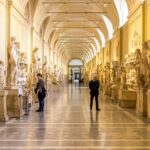
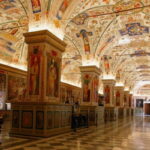
Once you’re moving through the galleries, you’ll come across the Gallery of Maps. These are 16th-century maps painted with artistic care, not just geography. It’s a reminder that the Vatican Museum experience isn’t only about religious art—it’s also about how the world was imagined during the Renaissance.
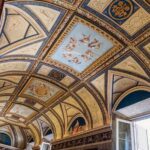
Then comes the Candelabra Gallery, which tends to feel more decorative and theatrical. Ornate spaces like this help you understand the museum as a designed environment. It’s not just collections on shelves; it’s a sequence of moods meant to steer your attention.
In a self-paced format, these galleries can be a perfect rhythm choice. If you’ve been focusing hard on famous works, this is where you can let your eyes relax and still enjoy something “Vatican-level” without feeling overwhelmed.
- Skip-the-Line Group Tour of the Vatican, Sistine Chapel & St. Peter’s Basilica
★ 4.5 · 12,779 reviews
Pio Clementino Rooms: ancient sculpture hits you in the face (in a good way)
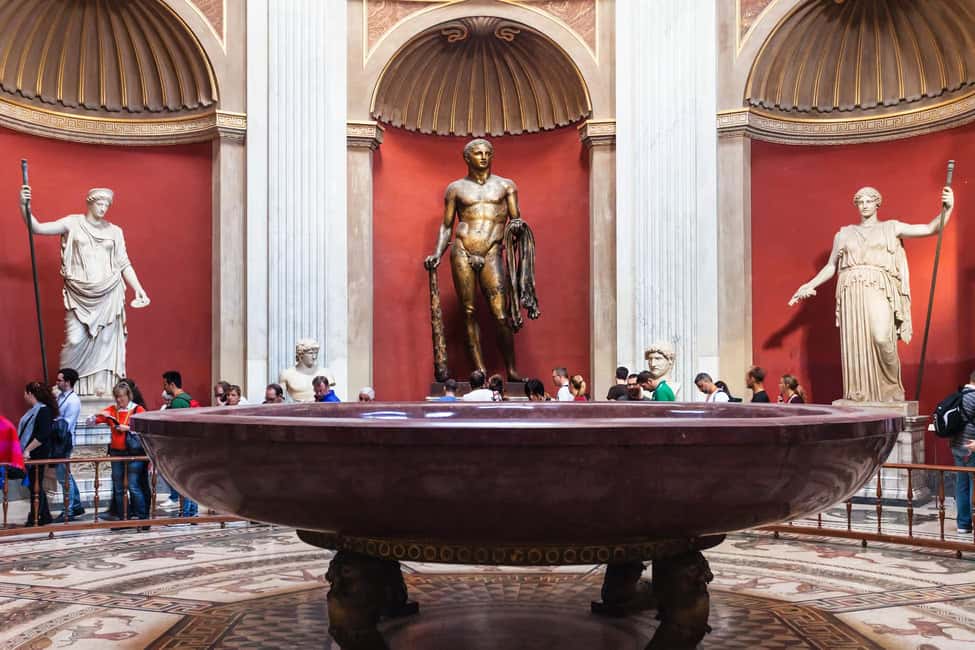
The Pio Clementino Rooms include iconic ancient sculpture, including Laocoön and His Sons. This piece is famous for a reason: it’s intense, dramatic, and it demonstrates how ancient artists captured motion and emotion.
A practical note: rooms with major sculptures can attract bottlenecks. Your best move is not to rush in and look for 10 seconds. Instead, spend a bit longer than you think you need, and be ready to adjust when others pass through.
Self-paced here is a real advantage. You can move at a pace that matches your attention span, and you can circle back if a room feels worth it.
Tapestry Gallery: woven art you have to slow down for
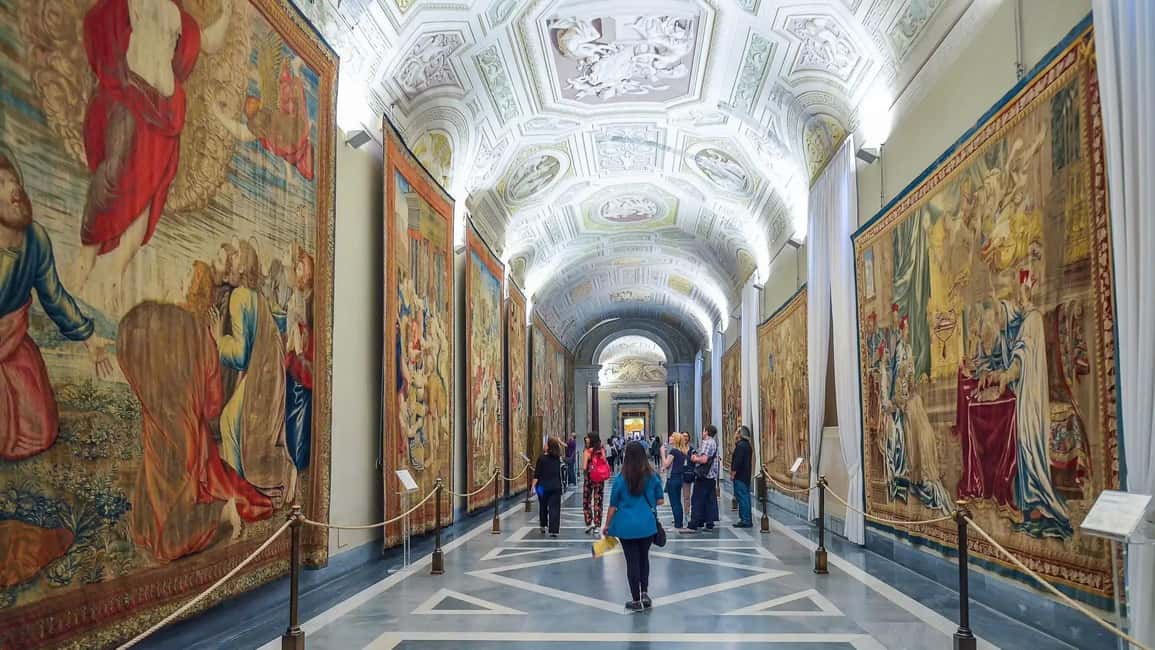
You’ll also go through the Tapestry Gallery, where intricately woven works turn into a different kind of visual experience. If you’re used to paintings, tapestries feel almost tactile because of the texture.
This is the kind of stop that rewards patience. In a guided tour you might get moved along quickly. With self-guided time, you can actually look at how the patterns and colors sit in real light.
Even if you don’t consider yourself an “art person,” this gallery helps you understand why people keep returning to the Vatican after the famous photos fade.
Raphael Rooms: The School of Athens and why these frescoes matter
Next are the Raphael Rooms, where Raphael’s frescoes bring the Renaissance spirit to life. You’ll see works including The School of Athens—one of the most recognizable images connected to Renaissance humanism.
Here’s what I think makes this section especially powerful: it connects art to ideas. Raphael didn’t just paint beautiful scenes; he arranged them so the viewer can read philosophy and power through composition.
Because this is self-paced, you can do something most rushed visits don’t allow. You can compare details—faces, expressions, architectural framing—and notice how the frescoes work as designed scenes, not random decoration.
Sistine Chapel: the main event, with a big closure caveat
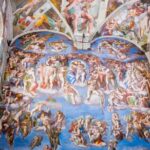
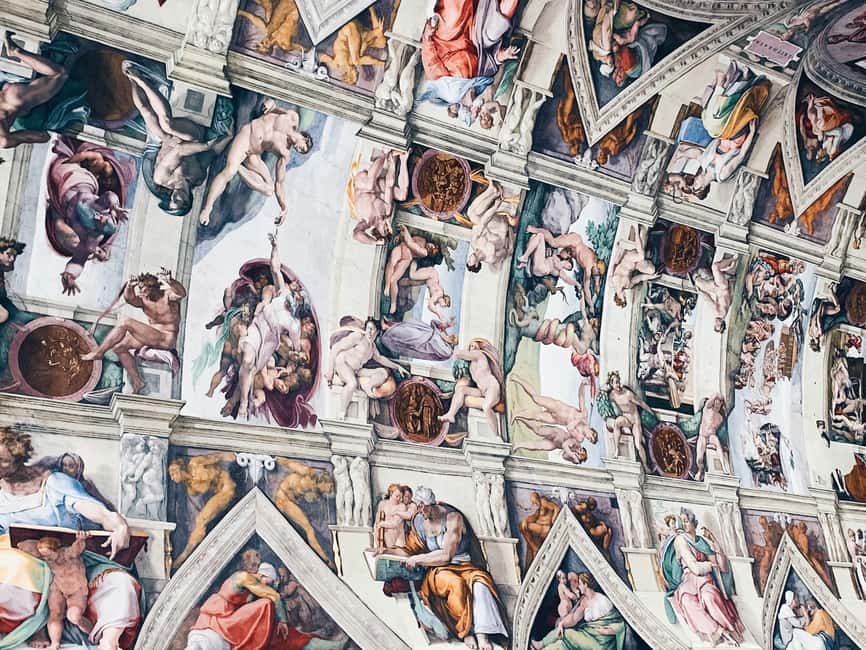
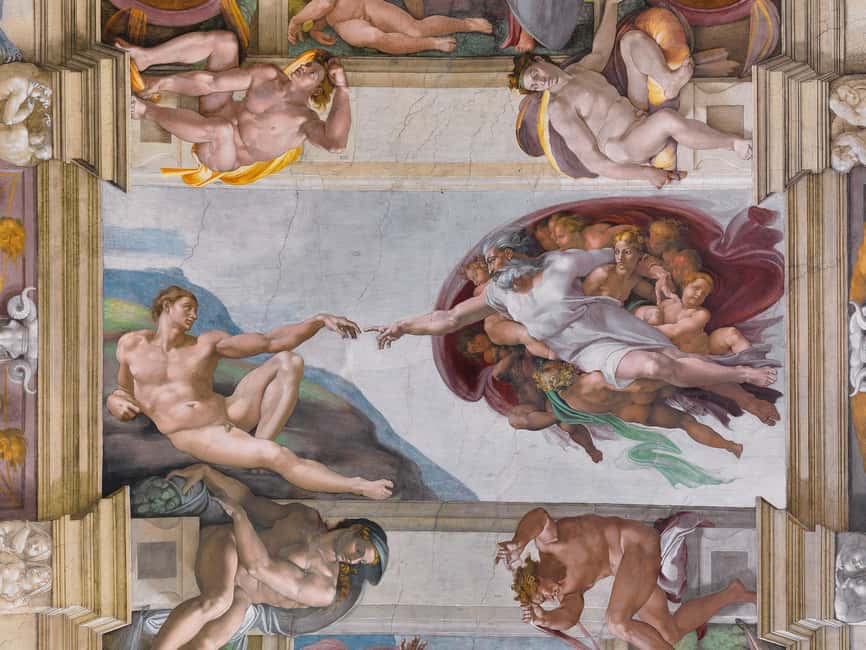
Then you reach the Sistine Chapel, where you can marvel at Michelangelo’s celebrated frescoes, including The Creation of Adam and The Last Judgment. This is the moment most people came for, and it’s also where your visit either feels magical—or frustrating—depending on timing and access rules.
One major “know before you go” point: there’s a temporary closure of the Sistine Chapel listed. That doesn’t necessarily mean you’ll miss everything, but you should be prepared for the possibility that the chapel experience may be affected on your date. In at least one reported case, there was no discount given if it was closed.
So how do you handle that mentally? Build your plan around the whole museum route, not just the chapel. If the chapel is accessible, great. If not, you’ll still have seen major works across the Vatican Museums, including Raphael Rooms and the ancient sculpture rooms.
After the museums: Vatican corridors and hidden-spot browsing
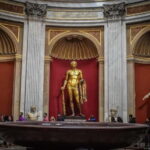
After the Sistine Chapel, you continue through Vatican corridors where you have freedom to explore major attractions and lesser-known spots filled with unique artworks and historical treasures.
This is where self-paced visits shine again. The Vatican is too big to be seen linearly in one go, and corridors are often where you catch smaller works that don’t get the same social-media spotlight.
Your goal here should be light structure, not full coverage. Pick a couple of rooms or details you want more time with. If you try to see everything, you’ll end up feeling stressed instead of inspired.
St. Peter’s Basilica stop: Pietà and the big interior icons
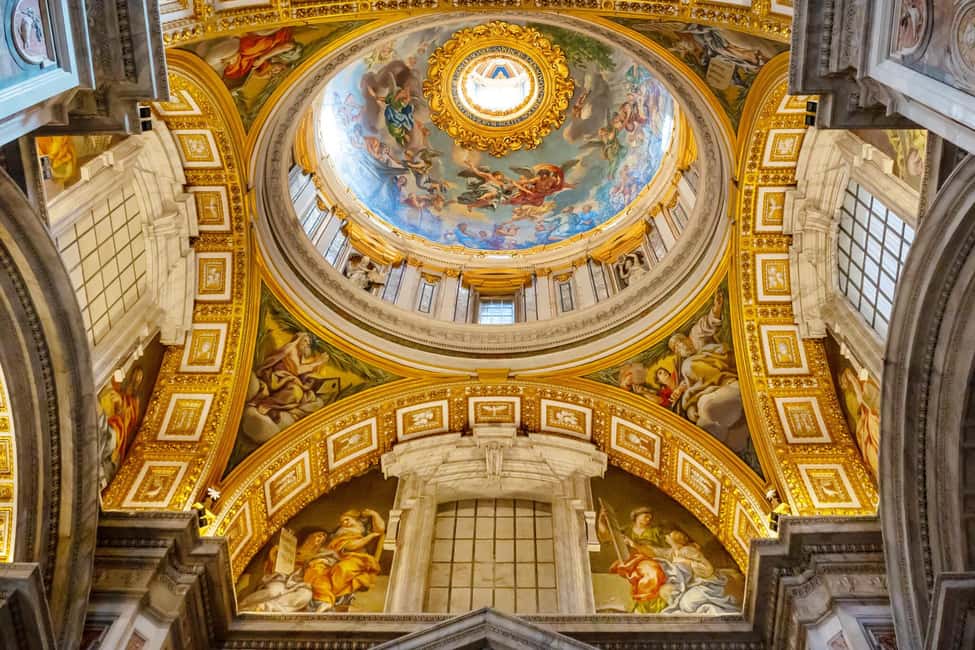
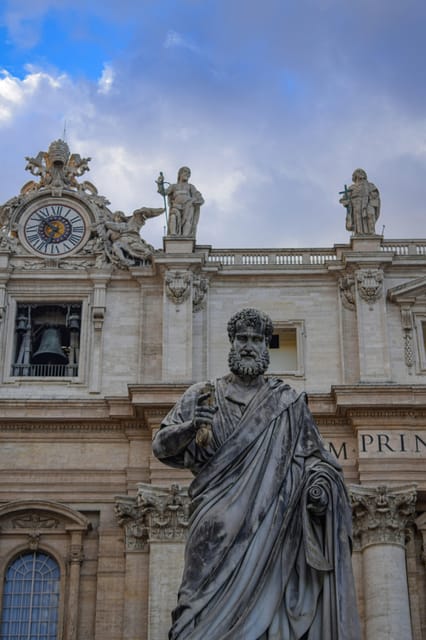
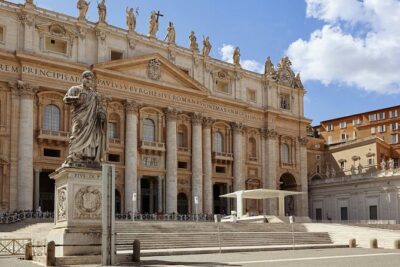
The experience concludes with skip-the-line entrance to St. Peter’s Basilica. That matters because basilica entry is also subject to crowds, and skipping the slow bits keeps your energy for the most important interior moments.
The description highlights a visit that includes Michelangelo’s Pietà, plus Bernini’s Baldacchino. It also notes mosaics and sculptures throughout the basilica.
One thing to verify before you go: the details also list St. Peter’s Basilica under Not Included. Since another part of the experience says the day ends with basilica access, it’s smart to confirm what’s actually printed on your ticket or voucher for your specific date. The practical approach is this: assume basilica entry is part of the plan, but double-check so you’re not surprised.
Either way, dress modestly and prepare for more standing. The basilica interior rewards attention, not speed.
Practical rules that can slow you down if you ignore them
A smooth visit is mostly about respecting rules that don’t change much day to day. Here are the key ones you should plan around:
- Modest dress is required for some sites. Bring a light layer if you’re wearing something that might be considered too revealing.
- Comfortable shoes are a must. The Vatican is walking and standing, not museum-stool sightseeing.
- Flash photography is not allowed inside the museums.
- Bags and umbrellas need to be checked into the cloakroom.
Also remember: the visit isn’t described as suitable for people with mobility impairments. That’s not a “maybe.” If mobility is a concern, you’ll want to look for a more accessible option.
Price and timing: how 3 hours fits the Vatican reality
At $84.96 per person and about 3 hours, this is a “high-impact” visit. You’re not trying to see everything. You’re hitting the best-known spaces in a route that’s meant to flow.
Is it worth the cost? For many people, yes, because the alternative is usually losing hours in lines or feeling rushed. Skip-the-line access is a premium for a reason. You’re paying to protect your time and reduce stress.
The 3-hour duration also helps you make smart choices. If you arrive with energy, you can actually enjoy the art instead of just marching forward.
Who this suits best:
- You want the key Vatican highlights: Belvedere Courtyard, Raphael Rooms, and Sistine Chapel if open
- You prefer self-guided freedom over a scripted group pace
- You’re short on time and want a plan that still covers major spaces
- You like structured highlights but still want to spend extra time when something catches your eye
Should you book this Vatican Museums ticket?
Book it if you want a practical way to cover the Vatican’s top draws without turning your day into a queue. The big win is the separate skip-the-line entrance paired with self-paced wandering, which is the best combo for a place this large.
Be cautious if you’re relying on Sistine Chapel access as your single must-see. The temporary closure note is real enough that you should mentally budget for the possibility of changes on the day. Also, confirm St. Peter’s Basilica access on your voucher since the details describe it both ways.
Overall, with an overall rating of 3.4 out of 5, the experience seems best when you approach it with realistic expectations: you’re buying efficient entry and a strong route through iconic rooms, not a fully narrated deep-dive.
If that matches how you like to travel, this is a solid buy.
FAQ
How long does the Vatican Museums and Sistine Chapel experience last?
The duration is listed as 3 hours, with starting times dependent on availability.
Is this a guided tour?
No. It’s described as a self-guided experience, with an English host/greeter to assist you on the day.
What is included in the ticket?
It includes skip-the-line entrance tickets to the Vatican Museums and Sistine Chapel, plus access to those areas. An English host assists you on the day.
What should I bring or wear?
Wear comfortable shoes. Modest dress is required for entry into some sites. Backpacks, large bags, and umbrellas must be checked into the cloakroom.
Are photos allowed inside the museums?
Flash photography is not allowed inside the museums.
Is the Sistine Chapel always open?
There is a temporary closure note for the Sistine Chapel, so it may not always be available as expected.
Does the experience include St. Peter’s Basilica?
The description says the day concludes with skip-the-line entrance to St. Peter’s Basilica, but the activity details also list St Peters Basilica under Not Included. Check what’s confirmed on your ticket for your date.
Is there a cancellation option?
Yes. Free cancellation is available up to 24 hours in advance for a full refund.
More Tour Reviews in Rome
- Skip-the-Line Group Tour of the Vatican, Sistine Chapel & St. Peter’s Basilica
★ 4.5 · 12,779 reviews